Moving Guide to Ann Arbor: Neighborhoods, Costs & Tips

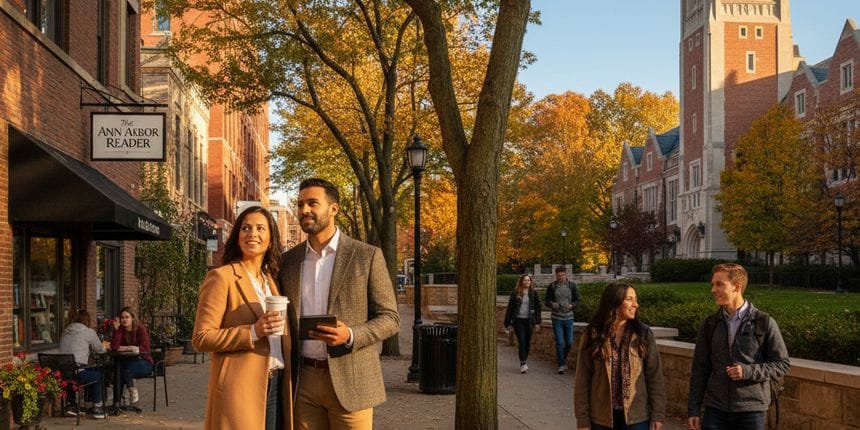
Ann Arbor occupies a unique position in Michigan’s landscape—a compact, walkable city with intellectual energy, cultural richness, and a quality of life that consistently earns national recognition. Home to the University of Michigan, this isn’t your typical college town. It’s a community where academic prestige, healthcare excellence, and genuine urban amenities create something that commands premium prices and fierce loyalty from residents.
The appeal is obvious. Where else in the Midwest can you find world-class research facilities, a James Beard Award-winning restaurant scene, Big Ten athletics, and tree-lined neighborhoods within walking distance of downtown—all in a city of just 120,000 people? The trade-offs are equally clear: Ann Arbor costs more than virtually anywhere else in Michigan, and the university’s presence shapes everything from traffic patterns to rental availability.
This guide offers a roadmap for understanding what life in Ann Arbor actually involves, from navigating the housing market to integrating into a community where “town and gown” have learned to coexist. Whether you’re relocating for the university, Michigan Medicine, or simply drawn to the lifestyle, strategic preparation ensures a smooth transition.
A trusted partner like Nelson Westerberg handles the logistics of your move with precision, allowing you to focus on joining one of America’s most distinctive small cities.
Why People Are Moving To Ann Arbor
Ann Arbor attracts a particular kind of resident—educated, often professionally ambitious, and seeking a community that values both intellectual engagement and quality of life. The draws are specific and powerful for those whose priorities align with what the city offers.
For a move to this distinctive community, partnering with an experienced mover like Nelson Westerberg ensures your transition reflects the care you’re investing in your new life.
University Of Michigan: The Anchor Institution
Everything in Ann Arbor connects to the University of Michigan in some way. As one of the nation’s preeminent public research universities, U-M employs over 30,000 people directly and supports thousands more through its economic impact. The university’s presence attracts:
Academics and researchers drawn to world-class facilities and collaborative environments
Healthcare professionals seeking positions within the nationally ranked Michigan Medicine system
Students pursuing undergraduate and graduate education
Entrepreneurs and startups spinning out from university research
Beyond employment, the university shapes culture. Lectures, performances, athletic events, and the energy of 45,000+ students create a rhythm distinct from any non-college community.
Michigan Medicine And Healthcare Excellence
The University of Michigan Health System (Michigan Medicine) stands as one of the nation’s top academic medical centers, ranking consistently among the best hospitals in multiple specialties. This creates exceptional career opportunities across the healthcare spectrum—from physicians and nurses to researchers and administrators.
For those with health concerns or families requiring specialized care, access to Michigan Medicine provides peace of mind that few Michigan communities can match. The concentration of medical expertise extends beyond the hospital system into private practices and specialized clinics throughout the area.
Walkability, Culture, And Small-City Livability
Ann Arbor delivers urban amenities at a human scale. Downtown Ann Arbor offers walkable access to restaurants, shops, galleries, and entertainment—a concentration rare in the Midwest outside major cities. The restaurant scene punches well above the city’s weight, with multiple James Beard nominations and a diversity that reflects the international university community.
The Ann Arbor Art Fair, one of the nation’s largest, draws hundreds of thousands annually. Live music, theater (including the renowned Ann Arbor Summer Festival), and cultural programming run year-round. For those leaving larger cities, Ann Arbor delivers cultural enrichment without metropolitan scale.
Highly Rated Schools And Family Appeal
Families are drawn to the Ann Arbor Public Schools district, consistently rated among Michigan’s best. The community’s educational values translate into strong schools, abundant enrichment opportunities, and a culture that prioritizes learning.
The university amplifies family appeal through youth programming, museum access (the University of Michigan Museum of Natural History and Museum of Art are community assets), and athletic events that create shared experiences.
Outdoor Recreation And Natural Assets
Despite its urban character, Ann Arbor provides excellent outdoor access. The Huron River winds through the city, offering kayaking, fishing, and riverside trails. The extensive park system includes over 150 parks ranging from neighborhood playgrounds to larger natural areas like Gallup Park and the Nichols Arboretum.
Within easy driving distance, the recreation opportunities expand: state parks, lakes, and the diverse landscapes that make Michigan a four-season outdoor destination.
Essential Things To Know Before Moving To Ann Arbor
Ann Arbor’s appeal comes with practical considerations that differ from typical Michigan communities. The university’s influence, premium pricing, and distinctive character require honest assessment before committing to the move.
While a professional partner like Nelson Westerberg manages the logistics of transporting your belongings, these lifestyle factors require your own careful evaluation.
Cost Of Living Reality: The Premium You’ll Pay
Let’s be direct: Ann Arbor is expensive by Michigan standards. The cost of living sits approximately 15-20% above the national average, with housing driving most of that premium. You’ll pay significantly more for comparable housing than in metro Detroit suburbs or other Michigan cities.
Key cost factors:
Housing: Median home prices exceed $475,000, with desirable neighborhoods often commanding $600,000+. This represents a significant premium over even affluent Detroit suburbs.
Rentals: Competition is intense, particularly near downtown and the university. One-bedroom apartments average $1,400-$1,800 or more; family-sized units command substantial premiums.
Property taxes: Moderate by Michigan standards but substantial in absolute terms given high property values.
Daily expenses: Restaurants, entertainment, and services often cost more than surrounding communities, reflecting the educated, higher-income demographic.
The wages available through the university and healthcare system often justify these costs, but careful budgeting remains essential.
University Rhythm And Community Impact
The University of Michigan shapes Ann Arbor’s calendar, traffic patterns, and housing availability in ways you’ll experience daily.
Academic calendar: Population swells during the school year and contracts over summer and breaks. Services and businesses adjust accordingly.
Football Saturdays: When the Wolverines play at home, Michigan Stadium (the nation’s largest) draws 110,000+ fans. The city transforms—traffic, parking, and restaurant reservations require advance planning.
Housing cycle: Much of the rental market operates on the academic calendar, with August/September lease starts dominating. Finding mid-year housing can challenge.
Student presence: Near-campus neighborhoods have heavy student populations. Noise, parking, and neighborhood character vary significantly by block.
Embrace the university’s energy as an asset rather than an inconvenience, but choose your neighborhood with awareness of these patterns.
Climate And Seasonal Considerations
Ann Arbor shares Michigan’s climate realities. Winters bring snow (averaging 45+ inches annually), cold temperatures (January averages in the mid-20s), and the gray skies common to Great Lakes communities. Spring arrives late; fall comes early.
The seasons also bring genuine rewards. Fall football atmosphere is electric. Spring’s arrival after a long winter creates communal celebration. Summer offers comfortable temperatures and the cultural programming that makes the season special.
If you’re arriving from warmer climates, invest in proper winter gear, winterize your vehicle, and prepare for the seasonal rhythm that defines Midwest living.
Housing Market Dynamics And Timing
Ann Arbor’s housing market operates differently than typical communities due to university influence:
Buying: Limited inventory and high demand create competitive conditions. Homes in desirable neighborhoods often receive multiple offers and sell quickly. Work with a local agent who understands micro-markets within the city.
Renting: The academic calendar drives timing. Most leases begin in August or September. Mid-year rentals exist but require flexibility and patience.
Geographic variation: Prices and character vary dramatically across neighborhoods. The difference between downtown, campus-adjacent, and outlying areas is substantial.
Begin your housing search early and be prepared to move quickly when the right opportunity appears.
Transportation And Getting Around
Ann Arbor offers more transportation options than typical Michigan communities, though a car remains valuable for most residents:
Walkability: Downtown and near-campus neighborhoods are genuinely walkable for daily errands and entertainment.
Biking: The city is bike-friendly by Midwest standards, with lanes and paths connecting many areas. Serious cyclists can manage car-free living in some situations.
Public transit: The Ann Arbor Area Transportation Authority (TheRide) provides bus service throughout the city and to nearby communities. Coverage is adequate but not comprehensive.
Parking: Challenging downtown and near campus. If you’ll commute to these areas, factor parking costs and logistics into your planning.
Detroit commute: Some residents commute to Detroit metro jobs, approximately 45 minutes depending on specific locations. The I-94 corridor connects the regions.
Planning Your Move To Ann Arbor
A successful relocation requires strategic planning that accounts for Ann Arbor’s unique housing market and community character.
Timeline Development And Move Timing
Your moving timeline should begin 8-10 weeks before your target date, earlier if your move coincides with the August/September rush when thousands of students and new employees arrive simultaneously.
Strategic timing considerations:
Avoid August/September if possible: This is peak moving season in Ann Arbor due to the academic calendar. Competition for moving services and housing is most intense.
Winter moves: Less competition but weather challenges. Professional movers are equipped for winter conditions.
December-January: University break creates a relative lull, potentially easier for housing and moving logistics.
If your employment or circumstances require an August start, begin planning months in advance and book moving services early.
Budget Planning And Cost Expectations
Use tools to calculate your moving costs and ensure you’re saving appropriately for all associated expenses.
Beyond the moving quote, Ann Arbor-specific budget items include:
Higher housing deposits (first month, last month, and security deposit are common for rentals)
Parking permits if you’ll use downtown or campus parking
Utility setup fees
Michigan vehicle registration and driver’s license fees
Potentially higher auto insurance than your origin state
The cost of living premium means ensuring your income or savings adequately cover not just the move but ongoing Ann Arbor life.
Housing Search Strategies
Ann Arbor’s housing market rewards preparation and quick action:
Work with local professionals: Real estate agents and property managers with Ann Arbor expertise understand micro-markets, timing, and opportunities outsiders miss.
Visit before committing: If possible, spend time in different neighborhoods at different times of day. The character varies significantly.
Consider temporary housing: If timing doesn’t align with ideal housing, short-term rentals or extended stays can bridge gaps while you search.
Expand your radius: If Ann Arbor proper proves too expensive, surrounding communities like Saline, Dexter, and Ypsilanti offer lower costs with reasonable commutes.
Documentation And Preparation
Standard moving documentation applies, but ensure you address:
Michigan driver’s license and vehicle registration (required within 30 days of establishing residency)
Michigan auto insurance (must be in place before registration)
Voter registration update
If you have children, school registration—contact Ann Arbor Public Schools for enrollment procedures and required documentation
Selecting Professional Moving Services
Choosing the right moving partner matters, particularly for transitions to competitive markets where timing and execution are critical. Understanding how to choose a moving company protects your investment.
Evaluating Moving Companies
Different types of moving services match different needs:
Full-service moves: Professionals handle everything from packing through placement. Maximum convenience, ideal when your attention is demanded elsewhere.
Transportation-focused: You pack; they transport. Lower cost, more personal effort.
Specialty services: For valuable items, antiques, or complex logistics.
For interstate moves to Michigan, verify FMCSA registration and a valid U.S. DOT number. For moves within Michigan, confirm proper state licensing.
Nelson Westerberg offers home moving services customizable to your specific situation.
Getting Accurate Estimates
Understanding the costs of hiring moving services requires looking beyond initial quotes. Request written estimates based on in-home or virtual surveys.
Understand estimate types:
Binding: Guaranteed price if scope unchanged.
Non-binding: Can adjust based on actual weight.
Binding not-to-exceed: Maximum protection.
Budget for the appropriate tip for your movers as well.
Insurance And Protection
Interstate movers offer two liability options:
Released Value Protection: Free but minimal ($0.60 per pound per item).
Full Value Protection: Additional cost, but actual replacement value coverage.
For the valuable belongings most households contain, Full Value Protection provides essential security.
Neighborhoods And Housing Options
Ann Arbor’s compact size contains remarkable neighborhood diversity. Understanding these micro-markets helps you find the right fit.
Downtown Ann Arbor
The urban heart of the city offers walkable access to restaurants, shops, and cultural venues. Housing ranges from historic homes to modern condominiums.
Character: Urban, walkable, convenient but busy Housing: Condos, townhomes, some single-family Price range: Premium—expect $500,000+ for condos, higher for houses Best for: Professionals without children, those prioritizing walkability
Burns Park And Old West Side
Established neighborhoods with historic homes, mature trees, and strong community identity. Highly desirable for families.
Character: Residential, family-oriented, historic Housing: Primarily single-family homes, various sizes Price range: $500,000-$900,000+ Best for: Families, those seeking established neighborhood character
Kerrytown And North Campus Area
Diverse areas ranging from the artsy Kerrytown district (near the farmers market) to neighborhoods serving North Campus university facilities.
Character: Varied—artsy near Kerrytown, more university-influenced near campus Housing: Mix of single-family, apartments, condos Price range: Wide range depending on specific location Best for: University affiliates, those seeking neighborhood diversity
Outlying And Suburban Areas
Ann Arbor’s edges and surrounding townships offer more space and somewhat lower prices while maintaining school district access.
Character: Suburban, more car-dependent Housing: Larger lots, newer construction in some areas Price range: More accessible than core neighborhoods Best for: Families seeking space, those willing to trade walkability for value
Surrounding Communities
When Ann Arbor proper exceeds budget, consider:
Saline: Excellent schools, small-town character, ~10 miles south
Dexter: Growing community with good schools, ~10 miles northwest
Ypsilanti: More affordable alternative with its own character, ~8 miles east
Chelsea: Charming small town, ~15 miles west
These communities offer commute times of 15-25 minutes to Ann Arbor employment centers.
Employment Landscape And Career Opportunities
Ann Arbor’s economy centers on its anchor institutions but includes diverse opportunities beyond them.
University Of Michigan Employment
The university employs over 30,000 people across academic, administrative, and support roles. Major divisions include:
Academic departments across all disciplines
Michigan Medicine (hospital, clinics, research)
Athletics
Administration and operations
University employment offers stability, benefits, and access to campus resources. The hiring process can be lengthy; plan accordingly.
Healthcare Sector
Beyond Michigan Medicine, healthcare employers include:
Trinity Health (St. Joseph Mercy Hospital system)
Private practices and specialty clinics
Research organizations
Healthcare professionals find abundant opportunities in a community with two major hospital systems.
Technology And Startups
The university’s research generates spinoff companies, and Ann Arbor has developed a legitimate tech scene. Companies like Duo Security (now part of Cisco) and numerous startups create opportunities beyond traditional employers.
Remote Work Considerations
Ann Arbor’s cost of living makes it an expensive choice for remote workers earning typical salaries. However, those earning coastal or major-metro wages while living here can access excellent quality of life. The community’s infrastructure, coffee shops, and coworking options support remote work well.
Salary Expectations
Salaries in Ann Arbor often reflect university pay scales, which are competitive but not extravagant. Healthcare roles pay well. Tech compensation is growing. Factor Ann Arbor’s higher cost of living when evaluating opportunities—a salary that seems generous may stretch less than expected.
Settling Into Daily Life
Once your belongings arrive—a process made seamless with a trusted partner like Nelson Westerberg—the work of building your new life begins. Ann Arbor rewards exploration and engagement.
Administrative Setup
Complete essential tasks promptly:
Secretary of State: Michigan license and vehicle registration within 30 days.
Utilities: DTE Energy (electricity/gas), City of Ann Arbor (water/sewer).
Voter registration: Register with the city or through Michigan’s online portal.
If university-affiliated: Complete HR onboarding, obtain MCard (university ID), set up parking if needed.
Community Integration
Ann Arbor offers abundant connection opportunities:
Downtown exploration: Make the restaurant scene your personal research project.
University events: Many lectures, concerts, and performances are open to the public.
Athletic events: Michigan football and basketball create shared experiences.
Farmers market: The Kerrytown Farmers Market runs year-round and is a community gathering point.
Parks and trails: Explore the Huron River Greenway and Nichols Arboretum.
School Enrollment
For families, contact Ann Arbor Public Schools for enrollment. You’ll need:
Proof of residency
Birth certificate
Previous school records
Immunization records
The district offers both neighborhood schools and various magnet/choice programs; research options that match your children’s needs.
Healthcare Establishment
Access to Michigan Medicine is a community asset. Establish primary care, transfer prescriptions, and identify specialists if needed. The patient population here includes many highly informed, health-conscious individuals—expect professional, thorough care.
Frequently Asked Questions
What salary do I need to live comfortably in Ann Arbor?
Given Ann Arbor’s premium cost of living, “comfortable” living generally requires household income of $80,000-$100,000 minimum for singles, and $120,000-$150,000+ for families, depending on housing choices and lifestyle expectations. University and healthcare salaries often fall within or above these ranges; other sectors may require more careful budgeting.
Those relocating from higher-cost coastal cities may find Ann Arbor reasonable; those from lower-cost Midwest communities will experience sticker shock.
How competitive is the Ann Arbor housing market?
Very competitive, particularly for desirable neighborhoods and during the August-September academic season. Homes in popular areas often sell quickly, sometimes with multiple offers. Rentals near downtown and campus get snapped up rapidly.
Work with local professionals, be prepared to act quickly, and consider expanding your search area if budget constraints are significant.
Is Ann Arbor family-friendly?
Highly so, despite its college-town character. The schools are excellent, the community values education, and family-oriented neighborhoods exist throughout the city. Sports, cultural programming, and university resources provide enrichment opportunities.
The caveat: some near-campus neighborhoods are student-dominated and less suitable for families. Choose your location with awareness.
How is the commute to Detroit?
The I-94 corridor connects Ann Arbor to Detroit in approximately 45 minutes under normal conditions, though rush hour and construction can extend this significantly. Some residents successfully maintain Detroit-area careers while living in Ann Arbor, though the commute demands tolerance for time in the car.
For many, the quality of life in Ann Arbor justifies the commute; others prefer living closer to work.
What makes Ann Arbor different from other Michigan cities?
Ann Arbor’s university presence creates intellectual energy, cultural amenities, and a progressive political character distinct from most of Michigan. The combination of walkability, restaurant scene, Big Ten athletics, and academic culture is unique in the state.
The trade-off is cost—Ann Arbor charges a premium for these attributes. Those who value what the city offers typically find it worth the price; those seeking affordability should look elsewhere.
Conclusion
Ann Arbor offers something rare: a small city with big-city amenities, anchored by a world-class university but open to anyone who values what it provides. The premium pricing reflects genuine advantages—excellent schools, cultural richness, walkable neighborhoods, and a community that values intellectual engagement.
A successful move to Ann Arbor requires honest assessment of fit. Key considerations include:
Budget reality: Ann Arbor costs more than almost anywhere else in Michigan. Ensure your income supports the lifestyle.
University rhythm: The academic calendar and football Saturdays shape the community. Embrace rather than resist these patterns.
Housing strategy: The competitive market rewards preparation, local expertise, and quick action.
Community engagement: Ann Arbor’s benefits fully materialize for those who participate—attend events, explore restaurants, use the parks and trails.
With a solid plan and the right support, Ann Arbor can become the intellectually stimulating, culturally rich home you’re seeking. Let Nelson Westerberg handle the logistics of your relocation with the expertise and care your belongings deserve. Your Ann Arbor adventure awaits.
Related Articles
Cost to Move a 3-Bedroom Home Cross-Country (2026): The Full-Service Price Breakdown

If you’re planning to move a three-bedroom home across the country in 2026, the single most useful number to start with is a range: a full-service, professionally handled move typically runs between $6,500 and $14,500, with a roughly 1,000-mile relocation landing around $8,000 to $11,000. Where your move falls within that band depends on a […]
Read MoreMoving from New Jersey to North Carolina (2026): Leaving the Nation’s Highest Property Taxes
New Jersey has led all fifty states in outbound migration for eight straight years, and once you look at the property-tax bill, it isn’t hard to see why. The Garden State carries the highest effective property-tax rate in the nation — about 2.23%, translating to an average homeowner bill near $9,500 a year — stacked […]
Read More

Table of Contents

Atlas Van Lines, Inc. U.S. DOT No. 125550 (TM & © 2026 AWGI LLC.) | G.P.S.C. 4917 | IL C.C. 4246 | NJPC 00104 | Cal-T 110193
© 2026 Nelson Westerberg, Inc. All Rights Reserved Worldwide.