Moving From Santa Rosa to San Francisco: What to Know

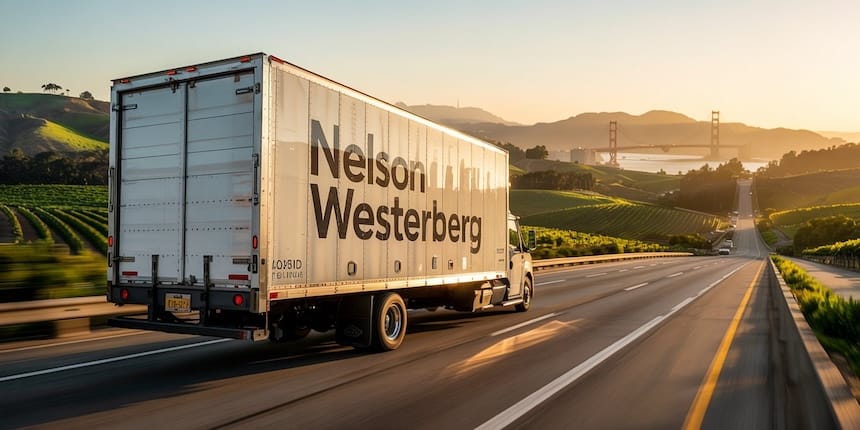
San Francisco’s magnetic pull draws thousands from Santa Rosa’s wine country each year, marking a pivotal 55-mile journey that transforms both lifestyle and opportunity. This strategic relocation merges Northern California’s most compelling attributes:
San Francisco’s pulsating innovation ecosystem and Santa Rosa’s accessible wine country charm. Tech professionals advance careers in Silicon Valley’s orbit while maintaining weekend access to Sonoma County’s renowned vineyards.
The migration between these distinctive Bay Area poles demands mastery of San Francisco’s unique character. Success hinges on understanding the city’s nuanced parking regulations, adapting to dramatic microclimate shifts between neighborhoods, and traversing a complex urban environment.
Cultural immersion in San Francisco’s diverse communities requires equal attention to securing the right moving permits and selecting the ideal neighborhood for your priorities.
Beyond logistics, this transition opens doors to world-class educational institutions, an unrivaled culinary scene, and a global innovation hub. San Francisco’s distinct districts each offer their own microeconomies and cultural signatures, from the startup energy of SoMa to the historic charm of North Beach.
This thorough examination equips you with essential knowledge for a seamless transition, ensuring your move capitalizes on San Francisco’s opportunities while maintaining convenient access to Santa Rosa’s cherished amenities.
Essential Facts About The Move
Distance and Travel Options
The 55-mile journey from Santa Rosa to San Francisco presents strategic transportation choices for both moving day and future travel needs. San Francisco’s complex geography and traffic patterns require careful route planning and timing.
Professional moving services traverse this path with precision, bringing specialized equipment and local expertise to handle the transition from Sonoma County’s open roads to San Francisco’s urban environment.
Post-move transportation options include:
- SMART train system with dedicated commuter schedules
- Regular shuttle services offering scheduled pick-ups
- Premium car services for flexible, comfortable travel
- Established bus routes maintaining reliable Santa Rosa connections
Moving Timeline Planning
San Francisco’s bustling event calendar significantly impacts moving logistics. Understanding the time to relocate properly is crucial as the city’s year-round festivals, conventions, and tourist influxes affect traffic patterns and service availability.
Key timeline considerations:
- Begin planning 8 weeks before your target move date
- Account for peak rental turnover periods at month-end
- Schedule elevator access in advance for apartment buildings
- Book professional movers early to secure preferred time slots
- Allow extra time for permit processing and building coordination
Required Permits and Documentation
San Francisco’s municipal regulations require specific moving preparations. A dedicated moving truck parking permit, costing approximately $320, reserves essential space in the city’s limited parking areas. Beyond securing permits, notifying of address change after move should be a priority in your documentation checklist.
Essential documentation requirements:
- Moving truck parking permit from the city
- Proof of insurance from your moving company
- Building management move-in authorization
- Elevator reservation confirmation
- Property manager-specific documentation
San Francisco’s distinctive topography demands specialized moving expertise. Professional teams arrive equipped with hill-specific tools and techniques, ensuring safe navigation of the city’s steep inclines and narrow streets. Their familiarity with local challenges – from Russian Hill’s sharp grades to Nob Hill’s tight corners – proves invaluable for a secure relocation.
Why Are People Moving To San Francisco
Career Growth And Tech Opportunities
Moving to San Francisco offers unmatched professional opportunities, as the city stands at the epicenter of technological innovation. The city’s unique concentration of tech giants, emerging startups, and influential venture capital firms fosters an ecosystem where career advancement happens at an accelerated pace.
While Silicon Valley remains the crown jewel, San Francisco’s diverse economic terrain encompasses biotech, financial services, and creative industries. For those seeking reliable home moving services, this rich employment environment particularly appeals to professionals from markets like Santa Rosa, where career options often prove more constrained.
Cultural And Entertainment Scene
San Francisco boasts a cultural vibrancy that rivals major global cities. The legendary Fillmore hosts iconic performances, while SFMOMA showcases cutting-edge artistic expressions.
The San Francisco Symphony delivers world-class performances throughout the year, complemented by intimate underground art galleries in SoMa. The city’s lively calendar includes:
- Neighborhood street festivals celebrating local heritage
- International film festivals and cultural exhibitions
- Year-round art walks and gallery openings
- Community-driven cultural celebrations
- Seasonal food and wine events
Educational Institutions
San Francisco’s academic environment features institutions that drive global innovation and scholarly excellence. UCSF stands at the forefront of medical breakthroughs, while San Francisco State University offers broad and diverse educational programs across disciplines. The city’s learning ecosystem extends to:
- Specialized coding bootcamps
- Professional certification programs
- Industry-specific training institutes
- Technical skills workshops
- Research centers and innovation labs
Diverse Food Scene
San Francisco’s culinary scene reflects its multicultural identity. Michelin-starred restaurants share neighborhoods with family-owned ethnic eateries, creating an unparalleled dining ecosystem.
The proximity to California’s agricultural heartland ensures fresh, seasonal ingredients year-round. Innovation-minded chefs and restaurateurs continuously improve the dining experience, making San Francisco a global culinary destination where traditional recipes meet modern techniques.
Innovation Hub Benefits
Residing in San Francisco means living at the intersection of global innovation and urban progress. The city’s dynamic startup ecosystem and research institutions support groundbreaking developments across technology, sustainability, and urban planning.
Residents gain early access to emerging technologies and services that often become global standards. The collaborative environment encourages:
- Cross-industry partnerships
- Sustainable urban initiatives
- Social enterprise development
- Technology pilot programs
- Community-driven innovation projects
Things To Know Before Moving To San Francisco
City Navigation Challenges
San Francisco’s iconic hills and winding streets present unique moving challenges that demand careful planning.
The city’s notorious 45-degree inclines and narrow, twisting roads require specialized moving strategies, particularly in historic neighborhoods like Russian Hill and Nob Hill. Professional movers with extensive San Francisco experience traverse these geographical obstacles daily, bringing essential expertise to:
- Strategic route planning around steep inclines
- Maneuvering through tight corners and one-way streets
- Equipment selection suited for challenging terrain
- Safe transport techniques for hillside deliveries
Micro-Climate Considerations
San Francisco’s distinctive micro-climates create dramatic weather variations across its 49 square miles. The city’s famous fog, affectionately known as “Karl,” can transform a warm morning into a chilly afternoon within minutes. Key micro-climate characteristics include:
- Sunny, warmer conditions in the Mission District
- Cool, foggy weather dominating the Richmond and Sunset districts
- Temperature variations of up to 15 degrees between neighborhoods
- Frequent coastal wind patterns affecting western areas
These distinct weather patterns influence housing choices, moving day planning, and daily living arrangements throughout the city.
Parking Regulations And Restrictions
Exploring San Francisco’s parking terrain demands understanding complex municipal regulations. Moving trucks need specific permits, with current costs around $320, requiring advance planning and coordination. Essential parking considerations include:
- Street cleaning schedules varying by neighborhood
- Residential permit zones and time restrictions
- Loading zone regulations and availability
- Steep hill parking requirements and safety measures
Professional moving services typically manage permit acquisition and develop strategic parking plans based on neighborhood-specific regulations.
Local Laws And Regulations
San Francisco maintains robust municipal codes that significantly impact new residents. The city’s thorough tenant protection laws govern security deposits, maintenance obligations, and eviction processes. Important regulations include:
- Mandatory recycling and composting requirements
- Strict plastic bag and packaging restrictions
- Detailed tenant rights and responsibilities
- Building maintenance and safety standards
Understanding these regulations helps ensure compliance and prevents costly violations during and after relocation.
Social And Cultural Dynamics
San Francisco’s neighborhoods each maintain distinct cultural identities shaped by history and community values. The city’s progressive ethos influences daily life through:
- Strong environmental consciousness
- Active community engagement opportunities
- Diverse cultural celebrations and events
- Tech industry influence on traditional neighborhoods
The intersection of innovation and tradition creates unique community experiences across different districts. Newcomers benefit from engaging with local organizations and participating in neighborhood events that showcase San Francisco’s distinctive character.
Cost Analysis And Financial Planning
Before making the move, it’s crucial to save enough to relocate and understand all associated costs for a smooth transition.
Moving Expenses Breakdown
Relocating from Santa Rosa to San Francisco demands precise financial planning. Understanding the cost of a moving service is essential, as professional moving services represent a significant upfront investment but deliver value through specialized expertise in urban relocation challenges. Use a reliable moving services cost calculator to estimate key expenses, including:
- San Francisco mandatory parking permits for moving vehicles ($320)
- Professional-grade packing materials and supplies
- Temporary storage solutions if needed
- Specialized equipment for traversing challenging terrain
- Insurance coverage for belongings in transit
Housing Market Comparison
San Francisco’s real estate terrain differs dramatically from Santa Rosa’s more moderate market. Consider these critical factors:
- Higher rental security deposits and application fees
- Premium purchase prices due to limited housing inventory
- Elevated property tax rates
- Increased insurance premiums for both renters and homeowners
- Additional HOA fees in many residential buildings
Daily Living Expenses
Life in San Francisco commands higher costs across essential categories compared to Santa Rosa’s economic environment. Key considerations include:
- Premium pricing for groceries and household items
- Higher rates for personal services
- Increased entertainment and dining costs
- Additional fees for city-specific services
- Elevated utility rates
The higher living costs often balance against increased earning potential and reduced vehicle expenses through public transit options.
Transportation Costs
San Francisco’s transportation network offers diverse options with varying financial considerations. When budgeting for moving trucks and ongoing transportation, consider:
Public Transit: Cost-effective MUNI and BART systems
Private Vehicle Ownership: Higher expenses due to:
- Premium parking fees
- Increased insurance rates
- Regular maintenance costs
Alternative Options:
- Ride-sharing services
- Bicycle infrastructure
- Walking-friendly neighborhoods
Inter-city Travel: Multiple options between San Francisco and Santa Rosa
Tax Implications
San Francisco’s unique tax structure requires careful financial planning and consideration:
- City-specific taxes and fees
- Higher local income tax rates
- Property tax variations
- Special assessment districts
- Business tax considerations for remote workers
Professional tax consultation during transition helps identify moving-related deductions while ensuring compliance with local regulations. Employment benefits and investment strategies may need adjustment to optimize tax efficiency in the new location.
Neighborhood Selection Guide
Popular Areas For New Residents
San Francisco’s neighborhoods present distinct characteristics that appeal to different lifestyles and preferences. The western districts offer tree-lined streets and peaceful residential areas, making them ideal for those seeking a suburban feel.
Hayes Valley and the Mission District pulse with artistic energy, featuring independent boutiques, galleries, and diverse dining scenes.
Tech professionals often choose neighborhoods along the eastern corridor with easy access to shuttle routes and innovation hubs. Family-friendly areas like Noe Valley and West Portal stand out for their top-rated schools, spacious parks, and strong community ties.
Safety And Crime Statistics
- Residential districts like Sea Cliff and Presidio Heights maintain consistently lower incident rates
- Mixed-use areas experience varying safety patterns throughout the day
- Community policing programs actively engage residents in neighborhood watch initiatives
- Business districts see different activity patterns between workday hours and evenings
- Regular safety audits and community meetings address emerging concerns
Proximity To Business Districts
San Francisco’s compact layout creates unique opportunities for balancing work and home life. While Financial District-adjacent neighborhoods command premium prices, they eliminate lengthy commutes.
Secondary commercial centers in SoMa, Mission Bay, and Mid-Market provide alternative work hubs. The city’s efficient public transit system connects residential areas to business centers, allowing residents to consider a broader range of neighborhoods while maintaining reasonable commute times.
Community Amenities
Each San Francisco neighborhood offers a distinct mix of amenities that shapes daily life:
- Recreation: From the vast Golden Gate Park to intimate neighborhood green spaces
- Culture: Independent bookstores, art galleries, and community theaters
- Essential Services: Local markets, pharmacies, and medical facilities
- Dining & Entertainment: Diverse restaurant scenes and nightlife options
- Fitness & Wellness: Boutique gyms, yoga studios, and recreational facilities
Public Transportation Access
San Francisco’s transit infrastructure varies significantly by neighborhood. Areas near BART stations provide direct regional connections, while MUNI Metro lines offer efficient city navigation. Key considerations include:
- Express route availability to major employment centers
- Night service frequency and coverage
- Proximity to multiple transit options
- Connection points to regional transportation
- Walking distance to nearest transit stops
Transit-rich neighborhoods reduce reliance on personal vehicles, particularly valuable given San Francisco’s limited parking and challenging topography.
Moving Logistics And Planning
To effectively plan your move to San Francisco, understanding the city’s unique challenges is essential.
Professional Moving Services
Relocating to San Francisco requires specialized expertise due to the city’s unique challenges. Long-distance moving companies deliver complete solutions specifically designed for Bay Area relocations.
Working with the best moving truck companies ensures comprehensive pre-move planning, methodical packing strategies, and expert navigation of San Francisco’s complex parking permit system.
Moving trucks require a $320 city permit – a crucial detail professional movers handle seamlessly. These experts bring invaluable experience maneuvering through San Francisco’s steep hills and narrow streets, ensuring safe delivery of belongings to your new home.
DIY Moving Considerations
The 55-mile journey from Santa Rosa to San Francisco demands precise planning for self-movers. Key considerations include:
- Appropriate vehicle selection for steep terrain navigation
- Parking permit acquisition and associated costs
- Storage solutions for transitional periods
- Specialized equipment for handling unique architectural features
- Time management and physical demands
- Urban moving conditions and traffic patterns
Packing Strategies
San Francisco’s compact living spaces necessitate strategic packing approaches. Following proper moving packing tips starts with a detailed inventory of belongings, carefully evaluating each item’s necessity in your new urban lifestyle. Essential packing elements include:
- Room-by-room organization with clear labeling systems
- Moisture-resistant packing materials to protect against marine layer exposure
- Space-saving techniques for maximizing storage
- Priority boxes clearly marked for immediate needs
- Proper protection for valuable items against microclimate conditions
Storage Solutions
Bridge the transition between homes with strategic storage solutions near your new San Francisco neighborhood. Select facilities offering:
- Climate-controlled units to combat variable weather conditions
- Extended access hours for flexible move-in schedules
- Enhanced security features
- Short-term rental options
- Convenient location relative to your new residence
Moving Day Preparation
Orchestrate moving day success by aligning with San Francisco’s urban environment. Critical preparation steps include:
- Early parking permit acquisition
- Advance notification to neighbors about moving truck arrival
- Detailed timeline accounting for Bay Area traffic patterns
- Essential items box preparation containing immediate-need items
- Clear communication channels with moving team members
- Contingency plans for unexpected challenges
- Documentation of valuable items and moving inventory
Frequently Asked Questions
- How long does the move from Santa Rosa to San Francisco typically take?
The physical transportation of belongings across the 55-mile distance typically requires 4-6 hours. A complete move, including packing, transportation, and initial setup, spans 1-2 days.
San Francisco’s distinctive urban environment presents specific challenges: rush-hour traffic patterns, steep hills, and limited parking availability can significantly impact move timing. Professional movers familiar with the route can maneuver these obstacles efficiently.
- What permits are required for moving into San Francisco?
San Francisco mandates a dedicated parking permit for moving trucks, with a current fee of $320. This permit reserves adequate space for your moving vehicle and must be secured before moving day.
Building-specific requirements and neighborhood regulations may necessitate additional permits. Professional moving companies routinely handle these permitting processes, leveraging their expertise with local regulations to ensure compliance and smooth logistics.
- How much should I budget for the entire moving process?
Moving expenses cover several key components: the mandatory moving truck parking permit ($320), professional moving services or truck rental fees, packing supplies, and potential storage needs. Additional considerations include:
- Utility connection fees and deposits
- Temporary housing costs, if needed
- Moving insurance coverage
- Buffer funds for unexpected expenses
Smart budgeting includes allocating extra funds for San Francisco’s unique moving challenges, such as narrow streets and multiple-story buildings that may require specialized equipment or additional labor.
- When is the best time to move to San Francisco?
San Francisco’s dry season (May through October) offers optimal moving conditions with minimal rain interference. Strategic timing considerations include:
- Mid-month moves typically offer better availability
- Mid-week relocations encounter less traffic
- Early morning starts avoid peak congestion
- Off-season moves (October-April) may provide cost savings
Weather patterns and local events should influence your scheduling decisions, as fog and major city events can impact moving logistics.
- How can I find temporary housing during the transition?
San Francisco offers diverse temporary housing solutions:
- Extended-stay hotels in residential neighborhoods
- Furnished short-term apartments
- Monthly vacation rentals
- Corporate housing options
Select accommodations near your target neighborhood or workplace to minimize transition stress.
Local property management companies specialize in flexible leasing arrangements for new residents, often providing furnished units with month-to-month terms. Research neighborhood safety, parking availability, and public transit access when evaluating temporary housing options.
Conclusion
The 55-mile journey from Santa Rosa to San Francisco represents a strategic life transition that extends far beyond a simple change of address. This move opens doors to expanded career prospects, rich cultural experiences, and cutting-edge urban innovation in one of America’s most energetic cities.
San Francisco’s distinct characteristics—from its famous microclimates to its permit requirements—create unique moving considerations. Success in this transition depends on balancing practical logistics with lifestyle adjustments:
- Housing Strategy: Carefully evaluate neighborhoods that align with your work location, budget, and lifestyle preferences
- Transportation Planning: Consider parking permits, public transit options, and bicycle-friendly routes
- Climate Adaptation: Prepare for San Francisco’s variable weather patterns, often differing significantly from Santa Rosa’s wine country climate
- Urban Transition: Embrace the shift from Santa Rosa’s spacious environment to San Francisco’s concentrated urban setting
Professional moving services provide essential support in handling these challenges, ensuring your belongings transition safely through the Bay Area’s demanding terrain and dense urban environment.
With thoughtful preparation and expert support, this move becomes an exciting step toward embracing the innovative spirit and diverse opportunities that define San Francisco living.
Trading Santa Rosa’s wine country charm for San Francisco’s urban energy marks the beginning of an enriching new chapter in Bay Area life. Through careful planning and informed decision-making, you’re positioned to make this transformative relocation with confidence and clarity.
Related Articles
New York City vs. Austin (2026): What Your Paycheck Really Buys
Few city comparisons produce a gap as wide as New York City versus Austin. By one widely cited 2026 estimate, it takes roughly $11,500 a month in New York to sustain the same standard of living that $6,900 buys in Austin — a difference so large it reshapes not just a budget but a life. […]
Read MoreChicago vs. Charlotte (2026): The Queen City at a Fraction of the Cost
For a Chicago household weighing a move south, Charlotte presents an unusually clean comparison: a real city, with a genuine corporate economy and four mild seasons, at a fraction of Chicago’s cost — and, most strikingly, a fraction of its property-tax burden. A Chicago homeowner paying the metro’s effective property-tax rate near 1.98% on a […]
Read More

Table of Contents

Atlas Van Lines, Inc. U.S. DOT No. 125550 (TM & © 2026 AWGI LLC.) | G.P.S.C. 4917 | IL C.C. 4246 | NJPC 00104 | Cal-T 110193
© 2026 Nelson Westerberg, Inc. All Rights Reserved Worldwide.