Moving from Glens Falls to Troy: A Pro Checklist

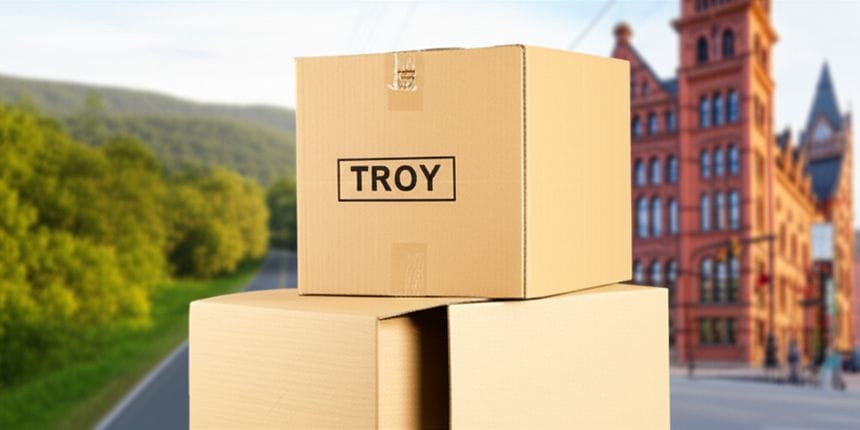
Trading the Adirondack foothills for the historic streets of the Capital District is more than just a 50-mile drive down I-87. It’s a deliberate shift from the quiet charm of a 15,000-person community to the energetic, urban landscape of Troy’s 51,000 residents.
This new chapter, whether driven by career growth or a richer cultural scene, promises real excitement. A truly great move, however, depends on more than just opportunity; it requires insider knowledge.
Success hinges on understanding everything from the cost of living differences to the unique personality of each Troy neighborhood. It also means managing the logistics of choosing a professional moving team that knows the region inside and out.
This thorough guide is your essential roadmap for that process. We’ll provide the clear, actionable information you need to make your move from Glens Falls a confident step forward.
Why Are People Moving From Glens Falls To Troy
That 50-mile trip from Glens Falls to Troy is a popular one, and it’s about so much more than the distance. It’s a strategic move toward a different scale of opportunity.
What this means for you is a transition from the Glens Falls area into the much larger Albany-Schenectady-Troy metro, the primary hub of New York’s Capital Region.
For many, this move—often simplified with professional services for moving within New York—is a calculated step toward professional growth, top-tier education, and the energetic urban lifestyle the “Collar City” offers.
Career Advancement And Job Market Expansion
Let’s talk about careers. Troy is a major player in New York’s “Tech Valley,” which opens up a professional domain that’s both broader and deeper than what’s available in Glens Falls.
While Glens Falls has a solid economy built around great employers like Glens Falls Hospital, the Capital Region simply offers more variety.
The proximity to Albany provides incredible access to state government careers. Plus, the presence of major institutions and a growing tech sector creates a robust job market for a huge range of professions. Here’s a quick look at the opportunities:
Government: Unparalleled access to careers with New York State.
Healthcare: Major employers like St. Peter’s Health Partners are pillars of the community.
Technology & Research: A growing number of companies are fueled by institutions like Rensselaer Polytechnic Institute (RPI).
This isn’t just about more jobs; it’s about more resilient and varied career paths for the long haul.
Educational Opportunities And College Town Benefits
Troy isn’t just a city; it’s a classic college town, and that creates a unique energy. The city is fundamentally shaped by its world-renowned academic institutions.
This concentration of schools infuses Troy with youthful energy, intellectual capital, and a calendar packed with cultural and sporting events. For anyone pursuing higher education or planning for their family’s future, the benefits are clear. Consider the local academic powerhouses:
Rensselaer Polytechnic Institute (RPI)
Russell Sage College
Hudson Valley Community College (HVCC)
This dense network stands in contrast to the more localized offerings around Glens Falls, where SUNY Adirondack is the primary institution. You also have easy access to other major schools in the region, like UAlbany and Siena College.
Urban Amenities And Cultural Scene Access
What kind of lifestyle are you looking for? A move to Troy often means embracing an energetic, walkable downtown experience. Think of a dense collection of independent restaurants, cafes, and unique shops, all housed in stunning 19th-century architecture.
The Troy Waterfront Farmers Market is a regional icon, drawing thousands every weekend. It’s the place to be on a Saturday morning. Cultural life is thriving here, too, with venues like the Troy Savings Bank Music Hall—famous for its perfect acoustics—hosting world-class performers.
While Glens Falls offers incredible access to the outdoor recreation of the Adirondacks, Troy delivers a distinctly urban energy, its own beautiful green spaces like Prospect Park, and an energetic arts scene.
Transportation Connectivity And Commuter Advantages
Here’s a big logistical win: living in Troy makes regional and national travel significantly easier. Its location puts you much closer to critical transportation hubs than Glens Falls does.
The Albany International Airport is just a short drive away, opening up flights across the country and beyond. For train travel, the Albany-Rensselaer Amtrak station offers efficient connections to New York City and other major destinations along the East Coast.
This superior connectivity is a powerful advantage for frequent travelers and professionals whose work requires them to be on the move.
Things To Know Before Moving To Troy
Before our trucks even pull up, it helps to get a feel for your new home. Troy, New York, is more than just a spot on the map; it’s a city with a story.
Nestled on the Hudson River in Rensselaer County, this community of just over 51,000 people blends a proud industrial history with an exciting modern energy. Moving here means getting in sync with a city that has its own unique rhythm.
Troy’s Historic Character And Neighborhood Personalities
The first thing you’ll likely notice is the architecture. Troy’s past as the “Collar City” left a legacy of stunning 19th-century buildings, especially in its downtown National Historic District. Think gorgeous Victorian brownstones and row houses, now home to apartments, art galleries, and unique local shops.
But the city is really a collection of neighborhoods, each with a distinct personality. Here’s a quick overview of the geographical features:
Downtown: The city’s central hub of activity. It’s a truly walkable urban hub packed with restaurants, bars, and cultural venues for those who love city living.
The Eastside: A primarily residential area right next to Rensselaer Polytechnic Institute (RPI). It’s a popular spot for students, faculty, and families alike.
Lansingburgh: Found in the north end, this large neighborhood was once its own village. It still has a unique feel and offers a wide variety of housing styles.
South Troy: This historically working-class neighborhood is buzzing with new energy. You’ll see significant revitalization and new investments bringing fresh life to the area.
Climate Considerations And Seasonal Preparations
Get ready to experience four distinct seasons, because Troy’s humid continental climate delivers them all. Summers are warm and humid, with July highs averaging around 82°F (28°C), so your air conditioner will be a good friend.
Winters embody a quintessential Northeastern experience—characterized by cold temperatures and abundant snowfall. What this means for you is that with an average of 60 inches of snow each year and January lows near 14°F (-10°C), good all-weather tires and a warm coat are non-negotiable. Embracing this seasonal rhythm is a key part of life in the Capital Region.
Local Government Services And Municipal Resources
Getting settled means plugging into the local infrastructure, and Troy has a solid foundation of services. Public schools for grades K-12 fall under the Enlarged City School District of Troy.
Need to get around without a car? The Capital District Transportation Authority (CDTA) provides a wide-ranging bus network connecting Troy to Albany, Schenectady, and beyond, making it a dependable choice for commuters. Key resources and information can be found through the official city and Rensselaer County government websites.
Community Integration And Social Opportunities
Finding your community in Troy is often easier than you might think, thanks to a packed calendar of public events. The city’s strong community spirit really shines at gatherings that draw people from all over.
The Troy Waterfront Farmers Market, for instance, isn’t just for shopping; it’s the place to be on a Saturday morning, drawing thousands to socialize. Throughout the year, you’ll find ample chances to meet your neighbors at events like the Troy Pig Out barbecue festival, the Rockin’ on the River summer concerts, or the enormous Victorian Stroll during the holidays.
For a dose of green space, the 80-acre Prospect Park offers incredible views of the Hudson River Valley—perfect for a walk or a picnic.
Financial Planning For Your Glens Falls To Troy Move
A successful move is all about smart financial planning. While the 50-mile drive from Glens Falls to Troy is short, don’t let the distance fool you—you’re stepping into a different economic environment.
A detailed budget is your best tool for a stress-free transition. It helps you map out everything from moving day costs to your new life in the Capital District.
Comprehensive Moving Cost Breakdown And Budgeting
Here’s the thing about a move under 50 miles: in our industry, it’s classified as a “local relocation.” What this means for you is that the cost to hire moving services is typically structured by the hour, not by weight or long-distance mileage. Let’s break down what to expect.
Hiring Professional Movers:
The Rate: Expect an hourly charge between $120 and $200 for a two-person crew and a truck in this part of New York; it’s also important to account for the right amount to tip movers for a job well done.
The Time: A standard 1-2 bedroom apartment move usually takes four to seven hours, covering everything from loading and travel to unloading.
A Do-It-Yourself (DIY) Approach:
The Truck: Your main cost is the rental. Base fees usually range from $30 to $50, plus a per-mile charge of around $0.79 to $1.29. Remember to factor in fuel costs as well.
The Supplies: And don’t forget the extras! Boxes, packing tape, and bubble wrap can easily add $50 to $200 to your total.
If you want a clearer picture of your total budget, using a moving cost calculator to estimate all your expenses is a great option—whether you’re hiring pros or going the DIY route. It’s a simple way to avoid surprises and build a realistic relocation plan that helps you save enough to relocate without worry.
Cost Of Living Comparison Between Both Cities
Once the moving truck is gone, your budget’s job isn’t over. Troy’s cost of living is a step up from Glens Falls, even though it’s still quite affordable for New York State.
The first change you’ll notice is at the cash register. You’re moving from Warren County’s 7% sales tax to Rensselaer County’s 8%. It might not sound like much, but that extra one percent on every purchase adds up over time.
Also, keep an eye out for one-time setup costs for new services. Utility providers like National Grid may require a security deposit, but here’s a pro-tip: you can often get this waived with a solid credit history or a letter of credit from your previous provider. It’s always worth asking!
Housing Market Analysis And Property Value Trends
The biggest shift in your budget will almost certainly be housing. Whether you plan to buy or rent, costs in Troy are higher.
For home buyers, the difference is clear. As of early 2026, the median home price in Troy hovered around $245,000, a notable jump from the $230,000 median in Glens Falls.
You’ll see the same trend in the rental market. A one-bedroom apartment in Troy typically goes for $1,100-$1,400 per month, whereas a similar unit in Glens Falls is closer to the $950-$1,250 range.
If you’re renting, prepare for the upfront costs of the first month’s rent and a security deposit. The good news? New York State law caps that deposit at one month’s rent, so there won’t be any surprises there.
Tax Implications And Financial Benefits Of The Move
Beyond sales tax, homeowners need to think about property taxes. It’s a bit of a balancing act. Because home values are higher in Troy, your annual property tax bill will likely be higher, too. This is a key number to factor into your new monthly housing budget.
But here’s the other side of the coin: the move to the Capital District can be a major financial win. You’re gaining direct access to a much larger and more diverse job market.
Think of the opportunities within New York’s “Tech Valley” or at major institutions like Rensselaer Polytechnic Institute. This potential for career advancement and higher earning potential is the crucial factor to weigh against the increased cost of living.
Selecting Professional Moving Services
Choosing the right moving partner from the many different moving services is an investment in your peace of mind. While a DIY move might seem to save money, the expertise of a professional team is invaluable, especially when plotting the 45-mile journey between two cities.
Here’s a key piece of information: your move from Glens Falls to Troy is an “intrastate” relocation. What this means for you is that it’s regulated by the New York State Department of Transportation (NYSDOT). This isn’t just bureaucracy; it’s a framework of consumer protections designed to keep you safe.
Choosing A Moving Company That Knows New York
When you’re selecting a moving service, remember that a legitimate New York company is more than a business—it’s a licensed and accountable entity. The single most critical credential to check is the company’s NYSDOT number.
This number must be displayed on their vehicles and advertisements. Before you even request a quote, you can and should verify this number on the NYSDOT’s official online portal to check their status and complaint history.
When comparing the various types of moving companies, be on the lookout for red flags that signal a lack of professionalism:
Companies that only provide a P.O. box instead of a physical address.
Answering the phone with a generic greeting like “movers” instead of their company name.
An inability or unwillingness to provide their NYSDOT number.
Reputable local moving companies are transparent and proud of their credentials.
Understanding Building Requirements and Regulations
For a local move of this distance, pricing is almost always based on an hourly rate. This rate should cover the crew, the truck, and the travel time.
To get a reliable price, insist on a written estimate based on a physical in-home or detailed video survey. Vague estimates given over the phone are notoriously inaccurate. Under NYSDOT regulations, a licensed mover is required to provide you with key documents:
“Summary of Information for Shippers of Household Goods”: A pamphlet detailing your rights.
A Formal Written Estimate: This must include the mover’s full name, address, NYSDOT number, and a clear breakdown of all rates.
An “Order for Service”: This document solidifies all the details before any work begins.
Protecting Your Belongings During The Move
Understanding a mover’s liability is crucial. By law, all NYSDOT-licensed movers must provide a baseline level of protection called “Released Value Protection” at no extra cost.
Here’s the thing: this coverage is minimal, valued at just $0.60 per pound per item. For a 50-pound television, that means a maximum reimbursement of only $30.
For complete security, you should always opt for “Full Value Protection.” This is an additional-cost option that makes the mover liable for the full replacement value of any lost or damaged item.
It is also wise to review your homeowner’s or renter’s insurance policy, as some plans provide coverage for your possessions while in transit. One last critical point: the final contract is the “Bill of Lading.” Do not sign it until you have performed a walk-through and confirmed your items have arrived without obvious damage.
If you’re transporting high-value or fragile items, you may also want to explore premium options like white glove moving services, which offer more meticulous handling and added peace of mind.
When To Book And What To Avoid
So, when should you start? To secure a high-quality mover on your preferred date, begin the process at least four to six weeks in advance. This is especially true if you plan to move during peak season (summer, weekends, or the end of the month).
A critical step is to get written, in-home estimates from at least three different licensed moving companies. This allows you to compare not just price, but service levels and professionalism.
Avoid any company that demands a large cash deposit up front. Be equally cautious of anyone who pressures you to commit without a formal, written estimate. Your diligence in this process is the best defense against a stressful and costly moving day.
Logistics And Timeline Management For Your Relocation
Think of a successful move as a well-run project. That 50-mile drive down I-87 from Glens Falls to Troy might only take an hour, but the logistics of planning your move need just as much precision as a cross-country haul.
Without a solid plan, a local move can quickly become stressful and expensive. A detailed timeline is your roadmap, turning a mountain of tasks into a series of manageable steps.
Creating Your Moving Timeline And Milestone Checklist
To figure out how long it takes to move, start with your move-in date and work backward. We find an eight-week timeline gives you the breathing room you need for every critical task, from sorting your belongings to the final walkthrough. Following these milestones helps ensure nothing gets missed.
8 Weeks Out: The journey begins with decluttering, not packing. Go through every room and decide what to keep, donate, or discard—this single step can significantly lower your moving costs. Now is also the perfect time to set your moving budget and start researching NYSDOT-licensed moving companies.
6 Weeks Out: You’ve done your homework. It’s time to get in-home estimates from your top three choices and book your moving partner. If you’re going the DIY route, lock in that rental truck reservation now, as they book up fast. Order all your supplies: plenty of boxes, quality packing tape, and materials like bubble wrap and packing paper.
4 Weeks Out: Let the packing begin. Start with items you won’t need for a month, like out-of-season clothes, books, and fine china. Here’s a pro tip: Label every single box with its contents and its destination room in your new Troy home. Your future self will thank you.
2 Weeks Out: The focus now shifts to administration. File your official change of address with the U.S. Postal Service online—it only takes a few minutes. You’ll also need to call your utility providers to schedule the service switch from Glens Falls to Troy.
1 Week Out: Touch base with your moving company to reconfirm all the details. Go over the crew’s arrival time, the plan for the day, and any special instructions. Pack an “open first” box with essentials for the first 24 hours: medications, toiletries, phone chargers, important papers, and a fresh set of clothes.
Moving Day: This is it! Before you lock up your Glens Falls home, do one last sweep of every room, closet, and cabinet. Snap a quick photo of the final utility meter readings for your records—it’s a simple step that can prevent future billing headaches.
Coordinating Utilities Transfer And Service Connections
Arriving at your new home with the lights and water already on is a great feeling. To make that happen, you need to schedule your utility transfers at least two weeks ahead of your move.
For this area, National Grid is the main provider of electricity and natural gas. You’ll need to contact the City of Troy Department of Public Utilities for water and sewer services. The goal is to have services disconnected the day after you move out of Glens Falls and activated the day before you arrive in Troy, ensuring a seamless transition.
Address Change Notifications And Documentation Updates
Forwarding your mail is just the first step. A full address update is a crucial piece of the puzzle, and properly doing so is vital for both security and convenience.
Make sure you update your address with the New York State DMV, all your banks and credit card companies, and your insurance providers. Don’t forget about any subscription services you use.
What this means for you is peace of mind, knowing important documents won’t get lost. It’s also smart to check the parking rules for your new street in Troy, as many of the city’s historic roads are narrow and may require a temporary permit for a moving truck.
Temporary Storage Solutions And Staging Strategies
Sometimes, temporary storage is more than just a place for extra stuff—it’s a strategic advantage. If you’re selling your Glens Falls home, moving some furniture into a short-term unit can help you stage the property to look its best for buyers.
Storage can also be a lifesaver if there’s a gap between your move-out and move-in dates. We’ve also seen how moving non-essential boxes directly to a storage unit near Troy can make unpacking feel much less overwhelming. It allows you to settle into your new home at your own pace.
Housing And Neighborhood Selection In Troy
Finding the right spot in Troy isn’t just about a new address or the logistics of transitioning between homes; it’s about choosing your ideal lifestyle. This is a city celebrated for its stunning 19th-century American architecture.
Think grand Victorian brownstones, historic row houses, and cool, repurposed industrial lofts. The big question is: do you want the buzz of a walkable downtown, or the quiet charm of a historic residential pocket?
Popular Residential Areas And Their Unique Features
Here’s the thing about Troy: it’s a city of distinct neighborhoods, each with its own vibe. Finding your fit means knowing what each one offers.
Downtown Troy: Craving an energetic, urban experience? This is your spot. Life here means living in beautifully restored apartments and lofts above shops and restaurants, with the famous Troy Waterfront Farmers Market just a short walk away.
The Eastside: Head just uphill for a more traditional residential feel, heavily influenced by Rensselaer Polytechnic Institute (RPI) and Russell Sage College. Neighborhoods like Beman Park feature larger, historic single-family homes on beautiful tree-lined streets.
Lansingburgh: Located in North Troy, this area is a fantastic option for affordability without sacrificing historic character. You’ll find a great mix of Federal and Greek Revival homes, often at a more accessible price point.
South Troy: As the city’s historic working-class heart, this neighborhood offers a fusion of single-family and multi-family homes. It’s also home to Troy’s charming Little Italy section.
Rental Market Insights Versus Homebuying Opportunities
Let’s talk numbers. The financial side of Troy’s housing market is as diverse as its neighborhoods.
The rental market is strong, with an average rent of around $1,450 per month. This is largely driven by steady demand from students and young professionals. What this means for you is a flexible way to “test drive” the city and its different corners before committing to a purchase.
Ready to own a piece of history? With a median home sale price near $255,000, Troy makes it possible. This isn’t just about buying a property; it’s an opportunity to own a well-preserved row house or brownstone with character that’s hard to find elsewhere.
School District Considerations For Families With Children
If you have kids, we know that schools are at the very top of your checklist. It’s a huge part of any family move.
The Troy City School District serves the community with a range of schools and programs. From our experience helping families relocate, the best approach is hands-on research. We recommend these steps:
Engage directly with the district administration.
Schedule tours to see the schools for yourself.
Consult independent resources like state-issued school report cards.
This direct approach is the most effective way to find an environment that truly fits your children’s needs.
Safety Statistics And Community Security Resources
Moving to a larger urban center naturally brings up questions about safety. That’s completely normal. The key is to approach this with data, not assumptions. The Troy Police Department provides public information, and online crime mapping tools can give you a block-by-block view of reported incidents.
But here’s a pro tip from our years in the business: nothing beats your own two feet on the ground. Spend a Tuesday morning and a Friday evening in a neighborhood you’re considering. It gives you an invaluable, firsthand perspective on the community’s real rhythm and atmosphere.
Settling Into Your New Troy Lifestyle
The last box is unpacked. Now what? The real work of relocating begins now—transforming your new address in Troy into a place that truly feels like home.
Moving from Glens Falls brings a shift in rhythm. This is your chance to discover the city’s distinctive fusion of rich history and forward-looking energy by establishing routines, finding local gems, and building your community.
Essential Services And Healthcare Provider Connections
Before diving into the fun stuff, let’s talk about the essentials. Taking care of your health should be at the very top of your post-move to-do list.
Troy has a robust healthcare network, anchored by major providers like St. Peter’s Health Partners and their in-city Samaritan Hospital. What this means for you is access to quality care, but you have to take the first step. Getting a new primary care physician, dentist, and any specialists lined up now means you’re prepared long before you actually need them.
Local Shopping, Dining, And Entertainment Discoveries
Ready to discover what makes Troy tick? The city’s lifestyle is woven into its dynamic, historic downtown and a community calendar that’s always buzzing.
Your first stop should be the Troy Waterfront Farmers Market, a year-round Saturday event with more than 100 vendors that feels like the entire city is gathering in one place. It’s far more than a market; it’s the social heart of Troy. From there, your calendar will fill up fast with signature events that capture the city’s unique spirit:
Troy Night Out: A monthly celebration where shops and galleries stay open late, creating a festive, walkable downtown experience perfect for exploring your new neighborhood.
The Victorian Stroll: An annual holiday festival where the city embraces its 19th-century architecture with period costumes, music, and stunning decorations.
At world-class entertainment, the Troy Savings Bank Music Hall stands as a must-visit. This National Historic Landmark is famous for its near-perfect acoustics, drawing incredible performers from around the globe.
And for a breath of fresh air? Prospect Park offers walking trails, recreation, and some of the most stunning panoramic views of the Hudson River you’ll find anywhere.
Transportation Options And Commuting Strategies
If you’re used to needing a car for everything in Glens Falls, you’re in for a pleasant surprise. Troy offers a lot more flexibility for getting around.
The downtown area is incredibly walkable, making it easy to run errands or enjoy a night out completely car-free. For trips further afield, the Capital District Transportation Authority (CDTA) runs an extensive bus service that connects you to Albany, Schenectady, and the rest of the region.
Here’s a pro tip: take some time to learn the key bus routes and get familiar with parking rules, especially in the historic districts. It will make exploring your new city simple and straightforward.
Building Professional Networks And Social Connections
A new city means new opportunities, both professionally and socially. Troy’s economy is a powerful mix of education, healthcare, and a booming tech scene.
In fact, the city is a major hub in the region’s “Tech Valley,” earning a name for itself in video game development. Powerhouses like Rensselaer Polytechnic Institute (RPI) and Russell Sage College aren’t just employers; they’re centers of innovation that drive the entire professional community.
Getting connected is easier than you think. Look into industry meetups, public lectures at the universities, or local business groups to start building your professional circle.
And the best part? Social connections often grow from the same soil. You’ll meet new people naturally as you become a regular at the farmers market or volunteer for a cause you found through Troy Night Out.
Frequently Asked Questions
How long does it typically take to move from Glens Falls to Troy, and what factors affect the timeline?
The drive down I-87 is the easy part, usually taking less than an hour. What this means for you is that the entire move, from our crew’s arrival to the last box, almost always happens in a single day.
Expect the full process to take anywhere from 6 to 12 hours. The final timeline really comes down to a few key details, like the size of your home, the volume of items we’re moving, and whether you’ve asked us to handle the packing.
Even things like a long flight of stairs or the walking distance from our truck to your new front door can add time.
What are the main differences in cost of living between Glens Falls and Troy that I should budget for?
When you’re budgeting for life in Troy, expect things to be about 3-4% more expensive than in Glens Falls. It’s not a huge jump, but it’s good to know where that difference comes from.
The biggest line item is housing; both median home prices and average rents are consistently higher in Troy. Don’t forget the small stuff, either—the sales tax in Rensselaer County is 8%, a full percentage point higher than Warren County’s 7%.
For homebuyers, it’s also crucial to know that Troy’s city property tax rates are among the highest in the Capital Region.
Which neighborhoods in Troy are most similar to the community feel of Glens Falls?
Looking for a neighborhood in Troy that has that same Glens Falls feel? You have some great options. Here’s a quick guide to help you find your new spot:
If you love Downtown Glens Falls: Check out Downtown Troy. It has that same historic, walkable vibe with beautiful 19th-century architecture, unique shops, and a fantastic food scene.
If you prefer a suburban feel: Troy’s Eastside will feel a lot like the quieter parts of Glens Falls or Queensbury, with plenty of single-family homes and local parks.
If you’re drawn to the river: The historic Lansingburgh district in North Troy sits right on the Hudson, offering a strong community identity and riverside character that will feel very familiar.
Are there specific moving companies that specialize in this particular route within New York State?
Here’s the thing: you don’t need a highly specialized service for this route. It’s a standard local intrastate move within New York State, a trip our crews make all the time.
This means you have plenty of choices, from national companies with local branches to reputable independent movers. The most important credential to look for isn’t specialization; it’s certification.
Make sure any mover you consider has a valid New York State Department of Transportation (NYSDOT) number. This isn’t just a piece of paper; it’s a legal requirement that proves they are a legitimate, regulated business and offers you a layer of protection.
What paperwork and administrative tasks should I prioritize immediately after moving to Troy?
Once the last box is inside, the next phase of your move begins: the paperwork. We know it’s a hassle, so here’s a quick checklist to get you started.
The 10-Day Deadline: New York State law gives you just 10 days to update your address on your driver’s license and vehicle registrations at the DMV. Put this at the top of your list.
Official Address Change: File a change of address with the U.S. Postal Service online to ensure your mail follows you.
Civic Duties: Update your voter registration with the Rensselaer County Board of Elections.
Utilities: Get your new accounts set up. You’ll need to contact National Grid for gas and electric, and the City of Troy for your water service.
Insurance: Notify your auto and home/renter’s insurance providers of your new address. This is critical, as your rates could change based on your new location.
Conclusion
That 50-mile drive from Glens Falls to Troy is more than just a change of address. It’s your gateway to new professional, educational, and cultural horizons in New York’s Capital District.
The city presents an environment rich with potential, from Troy’s thriving job market within Tech Valley to its celebrated institutions like RPI.
What this means for you is that a clear strategy is key to unlocking that potential. Success is rooted in thorough preparation, from understanding the cost of living differences to exploring the unique character of Troy’s neighborhoods.
A detailed 4-to-8-week moving checklist is your best friend here. So is handling critical administrative tasks early, like updating your address with the NYS DMV.
It’s a lot to juggle, we know. This is where partnering with a professional moving service makes all the difference, ensuring your relocation is handled with precision and your belongings are safeguarded.
Soon, the energetic community events, from Troy Night Out to the bustling waterfront farmers market, will be ready to welcome you. Ready to confidently begin your journey to the Collar City? Here are your next concrete steps:
Schedule a neighborhood visit to get a feel for the community.
Start your relocation timeline to stay organized and on track.
Contact us for a thorough moving quote to get the process started.
Related Articles
New York City vs. Austin (2026): What Your Paycheck Really Buys

Few city comparisons produce a gap as wide as New York City versus Austin. By one widely cited 2026 estimate, it takes roughly $11,500 a month in New York to sustain the same standard of living that $6,900 buys in Austin — a difference so large it reshapes not just a budget but a life. […]
Read MoreChicago vs. Charlotte (2026): The Queen City at a Fraction of the Cost
For a Chicago household weighing a move south, Charlotte presents an unusually clean comparison: a real city, with a genuine corporate economy and four mild seasons, at a fraction of Chicago’s cost — and, most strikingly, a fraction of its property-tax burden. A Chicago homeowner paying the metro’s effective property-tax rate near 1.98% on a […]
Read More

Table of Contents

Atlas Van Lines, Inc. U.S. DOT No. 125550 (TM & © 2026 AWGI LLC.) | G.P.S.C. 4917 | IL C.C. 4246 | NJPC 00104 | Cal-T 110193
© 2026 Nelson Westerberg, Inc. All Rights Reserved Worldwide.