Plan Your Move from New York City to Saratoga Springs


The thought of swapping a crowded subway car for a leisurely stroll downtown is becoming more than just a daydream for many New Yorkers. It’s a tangible plan. This move from a metropolis of over 8 million to a historic city of roughly 28,000 is more than a change of address. It represents a fundamental shift in your daily rhythm and financial outlook.
The vision is compelling: a life defined by Saratoga Springs’ motto of “Health, History, and Horses” instead of Manhattan’s relentless pace. This desire for a better quality of life is powerful, but it brings critical questions.
Making this transition successfully requires a clear understanding of the cost of living, the local housing market, and career opportunities. We’re here to provide the detailed insights you need, ensuring your relocation journey is a confident one.
Why Are People Moving From New York City To Saratoga Springs
Trading the five boroughs for upstate communities is more than a passing phase. For many New Yorkers, it’s a deliberate choice to redefine their lifestyle, and moving to Saratoga Springs is at the top of the list.
It’s a move that blends smart financial thinking with the search for a better quality of life. The best part? You don’t have to give up culture and opportunity to gain space and peace of mind.
Escaping The High Cost Of Living And Housing Market Pressures
Let’s talk numbers, because they tell a powerful story. The cost of living in New York City is a major reason people look elsewhere. Saratoga Springs offers immediate relief for your budget. Here’s a quick breakdown:
Housing: The dream of homeownership often feels out of reach in the city’s competitive market. In Saratoga, you can find a single-family home with a yard for a fraction of what a small apartment costs in Manhattan or Brooklyn.
Utilities & Transport: Day-to-day expenses are simply lower, freeing up more of your income.
What this means for you is a different standard of living. It’s not just about acquiring property; it’s about gaining more space, privacy, and financial breathing room.
Seeking Better Work-Life Balance And Reduced Commute Stress
That daily grind in the city, capped off with a stressful commute, takes a toll. The game-changer for many has been the rise of remote and flexible work. This shift allows professionals to choose their location based on lifestyle, not just their office address.
People are actively choosing a slower pace where the workday ends with actual leisure time, not a fight with public transit. Imagine swapping a crowded subway car for easy access to Saratoga Spa State Park, Saratoga Lake, or the Adirondacks. It’s about replacing urban stress with hiking, boating, and unwinding in nature.
Pursuing Family-Friendly Communities With Top-Rated Schools
When you have a family, a move is a strategic investment in your children’s future. Saratoga Springs delivers on that front.
Here’s the thing: the public school districts here are consistently ranked among the best in New York State. This gives parents the chance to provide a top-tier education without the staggering cost of private institutions in NYC.
Beyond the classroom, the city offers a safer, community-focused environment. It’s a place where kids have more freedom to play, neighborhood block parties are common, and a strong sense of local identity creates a supportive atmosphere for raising a family.
Embracing Small-Town Charm While Maintaining Cultural Access
Worried you’ll miss the city’s energy and cultural vibrancy? It’s a common concern, but Saratoga Springs masterfully bridges that gap.
World-Class Arts: It’s home to the Saratoga Performing Arts Center (SPAC), the summer residence of the New York City Ballet and The Philadelphia Orchestra.
Rich History: You can explore the National Museum of Racing and Hall of Fame.
Plus, you’re never truly disconnected. Situated right on I-87, Saratoga offers a direct 3.5-hour drive or Amtrak ride back to Manhattan. This makes occasional office visits or a weekend in the city completely manageable, giving you the perfect balance of small-town charm and big-city access.
Things To Know Before Moving To Saratoga Springs
Making the move from the five boroughs to Saratoga Springs means swapping one reality for another. The promise of a better quality of life is a powerful draw, but a smooth transition depends on getting real about the day-to-day differences.
When it comes to planning your move, getting ahead of the shifts in climate, transportation, and community life will make all the difference.
Climate Differences And Seasonal Preparations You’ll Need
Get ready for a true four-season experience that NYC’s climate can’t quite match. Summers are beautiful, with warm, humid days and average highs in the low 80s—perfect for enjoying Saratoga Lake or a day at the track. The winters, however, are a different story. They are significantly more intense.
Frigid Temperatures: Expect average lows to dip into the teens.
Serious Snowfall: The area often gets more than 60 inches of snow annually.
Here’s the thing: this is not a climate for all-season tires and a light jacket. Investing in proper snow tires or an all-wheel-drive vehicle isn’t a luxury; it’s a must for getting around safely. If you’re buying a home, you’ll also have new tasks on your list, from winterizing your pipes to figuring out snow removal.
Transportation Options And Car Dependency Considerations
For anyone used to the subway and a sea of yellow cabs, the biggest adjustment when moving within New York will be getting around. While downtown Saratoga Springs is wonderfully walkable, a personal vehicle is essential for almost everything else.
Think about your daily life. Errands, commuting to work outside the city center, and reaching the region’s amazing parks and trails all require a car.
Public Bus: The Capital District Transportation Authority (CDTA) offers bus service.
Train Service: An Amtrak station provides a convenient rail link to NYC and Montreal.
What this means for you is that public transit will supplement, not replace, your car. For the vast majority of residents, personal transportation is the key to daily life.
Local Culture And Community Expectations
Saratoga Springs truly operates as two different cities depending on the season. For most of the year, it’s a close-knit community of about 28,500 people who cherish its history and quiet charm. Then summer arrives. From July through Labor Day, the population can easily double. Tourists flock to the city for two major draws:
Saratoga Race Course: The oldest thoroughbred racetrack in the country.
Saratoga Performing Arts Center (SPAC): A world-class venue for concerts and events.
Newcomers learn to embrace this rhythm: the peaceful pace of the off-season followed by the electric, high-energy buzz of summer. The local culture is deeply connected to its legacy of health and leisure, from the mineral springs at Saratoga Spa State Park to the energetic and engaging social scene around the track.
Internet Connectivity And Remote Work Infrastructure
With remote work fueling much of the migration from NYC, reliable internet is a non-negotiable. You can breathe a sigh of relief on this one.
Saratoga Springs is fully equipped to support a professional, work-from-home lifestyle. High-speed internet and dependable cellular service are readily available throughout the city and its suburbs.
This means you can run your business or connect to a corporate network without a hitch from your new upstate home office. This tech-readiness makes the city more than just a beautiful place to live—it’s a smart one, too.
Cost Analysis For Your NYC To Saratoga Springs Move
The financial math is often the biggest reason for swapping a Manhattan high-rise for a home in Saratoga Springs.
But a successful relocation depends on a granular understanding of the total investment required, moving beyond broad cost-of-living comparisons to a detailed, line-item budget. This financial clarity is what allows you to plan your move with precision and confidence.
Housing Market Comparison And Property Tax Implications
The most substantial financial shift you’ll experience comes from the housing market. Leaving behind the intense rental and purchase prices of New York City for Saratoga Springs provides immediate and significant breathing room. While Saratoga is a desirable—and therefore pricier—market within the Capital Region, it’s still a world away from NYC’s financial pressures.
Here’s the thing, though: prospective homeowners must budget for a significant new expense. Unlike in NYC, where renters are insulated from this direct cost, property taxes in Saratoga County are a major component of homeownership. What this means for you is factoring these taxes, along with a 7% combined sales tax, into any long-term financial plan.
Moving Expenses And Professional Service Costs
That 190-mile journey comes with its own price tag, so it’s wise to calculate your moving costs to see how different approaches affect the budget.
Professional Moving Services: For a seamless transition, hiring professional movers is the most direct route. The costs of hiring moving services for an intrastate move of this scale typically range from $1,500 for a small studio to upwards of $7,500 for a larger family home. The final quote is a function of the total weight and volume of your belongings, with optional full-service packing adding between $500 and $2,500. Critically, an experienced company like ours will accurately price in the subtle intricacies of an NYC departure—navigating walk-ups, securing parking, and managing building-specific regulations that can frustrate a DIY effort.
DIY Truck Rental: The do-it-yourself approach appears cheaper on the surface, with truck rental base fees between $150 and $400. But those initial savings can be misleading. Once you factor in fuel for a truck that gets 7-10 miles per gallon ($70-$150), significant tolls leaving the city, insurance, and moving supplies ($150-$300), the all-in cost for a DIY move often lands between $400 and $800. That figure doesn’t even account for your own time and labor, underscoring the importance of saving the exact amount needed to move well in advance.
Utility Setup Costs And Monthly Service Differences
In New York City, your rent often includes heat, hot water, or other utilities. In Saratoga Springs, homeowners and most renters are responsible for the full suite of services: electricity, natural gas or heating oil, water, sewer, and waste disposal.
While the monthly rates are generally lower than in the metro area, you’ll need to budget for one-time setup fees or security deposits. Local utility providers require these to establish new accounts.
Hidden Expenses And Budget Planning Strategies
A thoughtfully crafted budget thoroughly examines the expenses that often catch people by surprise. If you’re breaking a lease in NYC, for example, you could be liable for substantial fees. Be sure to anticipate other common costs, such as the appropriate amount to tip movers:
Temporary Storage: It’s common to need storage while you finalize housing. A 10×10 unit in Saratoga Springs typically costs $100 to $200 per month.
Vehicle & Licensing: Plan for new vehicle registrations and driver’s licenses at the local DMV.
New Household Needs: You may need to purchase items like lawn care equipment or snow removal tools that were never a concern in the city.
Proactive planning for these ancillary costs is the key to preventing budget overruns and ensuring a smooth financial transition.
Navigating The Housing Market In Saratoga Springs
Finding your place in Saratoga Springs is a different ballgame than tackling the five boroughs. While it offers a welcome change from New York City’s price points, this is one of Upstate New York’s most sought-after spots, meaning the housing market is both exciting and competitive.
When relocating to a new home, you need a game plan built on knowledge of its historic streets and powerful seasonal shifts.
Prime Neighborhoods And Their Unique Characteristics
Saratoga Springs has a neighborhood for just about every taste and lifestyle. The key is knowing where to look to find the perfect fit for you and your family. Here’s a quick look at some of the most popular areas:
The Historic East Side: Love grand Victorian homes and being in the middle of it all? This is your spot. You’ll pay a premium for being steps from Broadway and the Saratoga Race Course, but the prestige and walkability are unmatched.
Wilton or Greenfield: Need more room to breathe? These surrounding areas feature newer single-family developments and townhouses. You’ll find larger lots and modern amenities, trading a bit of city walkability for a classic suburban feel.
Rental Market Dynamics Versus Homebuying Opportunities
Whether you plan to rent or buy, get ready for some competition. It’s a classic seller’s market here, so it pays to be prepared for either path.
For homebuyers, low inventory and high demand mean bidding wars are common. Expect median sale prices to hover between $600,000 and $700,000. It’s also important to remember that Saratoga County property taxes are notably higher than the national average, so be sure to factor that into your budget.
Think renting is the easier route? Not so fast. The rental market is just as fierce. A typical two-bedroom apartment can easily cost over $2,000 a month, and that figure can jump dramatically for short-term summer leases.
Here’s the thing about Saratoga rentals: they’re intensely seasonal. Unlike the constant churn in NYC, availability here plummets and prices spike right before the summer racing season kicks off.
Working With Local Real Estate Professionals
In a market this complex, we’ve seen firsthand how tough it can be to go it alone. Working with a local real estate professional isn’t just a good idea—it’s essential for a smooth experience. What a great local agent brings to the table:
Early Access: They often hear about listings before they ever appear on Zillow or Realtor.com, giving you a critical head start.
Negotiating Power: They have the expertise to craft a winning offer when you’re up against multiple bids, which happens a lot with desirable properties here.
Timing Your Housing Search For Maximum Advantage
Want to know the secret to timing your move to Saratoga? It all comes down to one thing: the Saratoga Race Course. The summer racing season, which runs from July through early September, sends demand through the roof. This inflates prices for both home sales and rentals across the board.
What this means for you is that the off-season is your best friend. Seriously. Concentrate your housing search from late fall through early spring. You’ll almost always face less competition and find more wiggle room for negotiation.
Selecting Professional Moving Services
Moving from New York City to Saratoga Springs is a significant journey. The success of your relocation depends on finding a professional service that truly understands the difference between a local job and a long-distance move out of NYC.
It’s about more than just a truck and some muscle; it’s about understanding the different types of moving services available to handle the complexities of your move and your specific needs.
Choosing A Moving Company That Knows NYC
Getting your belongings out of a fifth-floor walk-up or a high-rise with strict service elevator hours is a specialized skill that experienced long-distance moving companies possess. A mover’s experience within the five boroughs isn’t a bonus; it’s a necessity.
Here’s the thing: when evaluating different types of moving companies, legitimacy in New York starts with a license. Any company moving household goods must be licensed by the New York State Department of Transportation (NYSDOT). Their unique NYSDOT number should be easy to find on their trucks and website.
This is your first and most important checkpoint when finding a reliable moving company. We recommend getting written, in-home estimates from at least three different licensed companies. This lets you compare not just the price, but how thorough and professional their assessment is. Be cautious if a company:
Lacks a physical business address.
Gives a vague quote over the phone without seeing your items.
Protecting Your Belongings During The Move
Your possessions are the heart of your home, and you need to know they’re protected. By law, all movers in New York must provide a basic liability coverage called Released Value Protection.
What this means for you is minimal coverage. It compensates for damages at just 60 cents per pound per item. For a 10-pound flat-screen TV, that comes out to only $6.00—nowhere near enough for a replacement.
For real peace of mind, ask about Full Value Protection. This is an optional, higher-tier coverage, where the mover is responsible for the full replacement value of any lost or damaged goods. The details of your chosen coverage will be outlined in the Bill of Lading.
Another option worth exploring is a white glove moving service, which typically includes Full Value Protection, along with extra care, packing assistance, and added security for high-value belongings.
Whatever coverage you choose, make sure to review the Bill of Lading—the official contract for your move—carefully. Don’t sign until you’ve confirmed all the details and fully understand your protection plan.
When To Book And What To Avoid
Timing your move is key, especially during the peak season from May to September. To get a reputable mover and a date that works for you, start your search at least two to three months ahead of time.
This planning helps you avoid desperation and the common red flags of untrustworthy movers. A professional, reliable moving company will never demand a large cash deposit up front. Instead, they will provide:
A detailed “Order for Service” that outlines all expected costs. This includes potential fees for things like packing, handling a piano, or a long carry from the truck to your new home in Saratoga Springs.
The state-required “Summary of Information” brochure, which explains your rights as a customer.
Understanding Building Requirements And NYC Regulations
Your move involves more than just you and the movers; it includes your building’s management. Many NYC apartment buildings, especially co-ops and condos, have very strict rules for moving day.
The most common requirement is a Certificate of Insurance (COI) from your moving company. This document proves the mover has enough liability insurance to cover any potential damage to the building’s floors, walls, or elevators. An experienced NYC mover will be completely familiar with this process and can provide a COI quickly.
Before you finalize your booking, confirm your building’s specific moving requirements. Make sure your chosen mover can meet them to prevent a stressful and costly cancellation on the day of your move.
Employment And Career Transition Strategies
We know a successful relocation is about more than just getting your belongings from point A to B. It’s about landing on your feet professionally.
For many moving from the intense NYC job market, the big question is: what does a career look like in Saratoga Springs? You’ll find a surprisingly strong and varied economy that’s perfect for both local jobs and remote work.
Remote Work Opportunities And Home Office Setup
Imagine keeping your high-paying NYC job while enjoying Saratoga’s significantly lower cost of living. This isn’t just a dream; for many professionals, it’s a reality.
The area is fully equipped with the high-speed internet infrastructure you need for seamless connectivity. And if you need a change of scenery from your home office? Saratoga embraces modern work culture with established coworking spaces.
Saratoga CoWorks: A great option for community and dedicated desk space.
The Hub: Offers flexible solutions for freelancers, entrepreneurs, and remote teams.
Local Job Market Analysis And Key Industries
If you’re looking to find a job locally, you’re in a great position. The economy here is both stable and growing.
Saratoga County’s unemployment rate consistently outperforms the state average. For example, recent data showed the county’s rate at a lean 2.7% compared to over 4% for New York State. This economic strength comes from a diverse industrial base that goes far beyond tourism. Key sectors driving the local job market include:
Healthcare and Social Assistance
Advanced Manufacturing
Government and Public Service
Retail Trade
Major regional employers like Saratoga Hospital, Skidmore College, and State Farm provide thousands of stable jobs. What’s more, the massive GlobalFoundries semiconductor plant in nearby Malta makes this area a cornerstone of New York’s “Tech Valley.” This creates high demand for engineers, technicians, and support staff.
Networking And Professional Community Integration
Leaving a huge NYC professional network can feel like starting over. Here’s the thing: building meaningful connections in a smaller community can be much more direct.
Integrating into the local scene is easier than you think. A great first step is joining the Saratoga County Chamber of Commerce, which hosts regular events that put you in the room with regional business leaders.
You’ll find that the skills you honed in NYC’s demanding finance, marketing, or media industries are highly valued here by corporations, non-profits, and a thriving small business community.
Salary Expectations And Cost Of Living Adjustments
Let’s talk about the numbers, because this is a big one. It’s true that average salaries in the Saratoga region are generally lower than what you might earn in New York City.
But that’s only half the story. What this means for you is that the financial equation gets balanced by a dramatically lower cost of living. The huge savings on housing, property taxes, and day-to-day expenses often mean a lower gross salary can lead to more disposable income and a better quality of life.
Settling Into Your New Saratoga Springs Lifestyle
The last box is unpacked. Now, the real adventure starts—turning this new house into your home. Settling into Saratoga Springs means embracing its famous motto: “Health, History, and Horses.” It’s about finding your place in the rhythm of this unique upstate community.
Essential Services Setup And Local Government Registration
First things first: let’s get you officially settled. Ticking off these initial tasks is a big step toward feeling like a true local. Here’s a quick checklist to get started:
Update your address: Make it official at the New York DMV.
Register to vote: You can complete this for Saratoga County.
Set up utilities: Contact the city’s Department of Public Works for water and waste services.
And while you’re still getting your bearings? The Capital District Transportation Authority (CDTA) has bus routes that are perfect for exploring the city and nearby commercial centers without needing your car right away.
Healthcare Providers And Medical Service Transitions
The “Health” in the city’s motto isn’t just a slogan; it’s backed by a strong medical community. We know that finding new doctors is one of the most important post-move tasks. The local network is anchored by Saratoga Hospital, a member of the Albany Med Health System.
But wellness here goes beyond the doctor’s office. Saratoga’s history as a health destination is still alive at the historic Roosevelt Baths & Spa in Saratoga Spa State Park, where you can experience the mineral baths that first made this city famous.
Educational Options For Children And Adult Learning
If you’re moving with children, schools are a top priority. You’ll be joining the highly-regarded Saratoga Springs City School District, celebrated for its excellent academic and extracurricular programs.
The community’s focus on learning doesn’t stop at K-12, either. Skidmore College, a private liberal arts institution, is woven into the fabric of the city, frequently opening its doors for public lectures, performances, and cultural events that enrich the entire community.
Recreation And Social Integration Opportunities
Now for the fun part: diving into the Saratoga lifestyle. The city’s energy is legendary, especially in the summer.
During the 40-day meet at the Saratoga Race Course—the oldest sporting venue in the United States—the city’s population of 28,000 swells, creating an incredible buzz. But the opportunities to connect and have fun are here all year long. Here’s a taste of what’s in store:
Parks & Outdoors: The 2,379-acre Saratoga Spa State Park is your year-round playground for hiking and cross-country skiing. For water lovers, Saratoga Lake offers great boating and fishing, and the vast Adirondack Mountains are just an hour’s drive north.
Arts & Culture: Inside the park, the Saratoga Performing Arts Center (SPAC) is a cultural gem. It serves as the summer home for both the New York City Ballet and The Philadelphia Orchestra and hosts major concerts.
History & Community: You can explore history everywhere, from the stunning Victorian architecture on Broadway to the Saratoga National Historical Park, a key site from the American Revolution. Mark your calendar for local favorites like the Saratoga Chowderfest in winter or the magical Victorian Streetwalk during the holidays.
Frequently Asked Questions
How long does it typically take to drive from NYC to Saratoga Springs and what’s the best route?
Planning the drive is a key first step in your relocation journey. The trip from New York City to Saratoga Springs covers about 180-190 miles.
Without significant traffic, you can expect the drive to take between 3 and 3.5 hours. The most reliable route, and the one our crews use, is the I-87 North. This road starts as the New York State Thruway and becomes the Adirondack Northway, leading you straight to the Saratoga Springs exits.
What are the main differences in property taxes between NYC and Saratoga Springs?
Here’s the thing about property taxes: they represent one of the biggest shifts in the cost of living when moving from NYC. New York City has a famously complex system.
For many 1-3 family homes (Class 1), the effective tax rate can be surprisingly low—often under 1% of the home’s market value. In contrast, Saratoga Springs has a more straightforward combined rate, typically over 2% of a property’s assessed value.
What this means for you is a higher annual tax bill, but it’s important to know where that money goes. It’s a composite of city, Saratoga County, and school district taxes, with the largest share funding the highly-rated Saratoga Springs City School District.
Can I maintain my NYC job while living in Saratoga Springs, and what are the commuting options?
Let’s be realistic: a daily drive into the city isn’t practical for most people, given the distance. But that doesn’t mean you have to give up your NYC-based career, especially with flexible work arrangements. For those hybrid schedules requiring occasional office visits, you have solid options.
Amtrak: Offers direct service from Moynihan Train Hall (Penn Station) right to Saratoga Springs. It’s a comfortable, scenic journey of about 3.5 hours.
Bus Service: Companies like Trailways also provide a direct connection, with trips usually lasting between 4 and 5 hours.
What utilities and services need to be set up differently in Saratoga Springs compared to NYC?
Getting your new home’s services running is a top priority, and the process is a bit different here. In Saratoga Springs, some utilities handled by the city in NYC are now your direct responsibility.
For example, you’ll need to contract with a private company for trash and recycling pickup, as it’s not a municipal service funded by taxes. For power, the primary provider for electricity and natural gas is National Grid.
Water and sewer are billed directly to you as the homeowner by the city’s Department of Public Works, unlike in many NYC apartments, where these costs are often rolled into rent.
How does the school system in Saratoga Springs compare to NYC public schools?
It serves around 6,000 students across 8 schools, boasting an excellent student-to-teacher ratio of about 14:1.
This stands in sharp contrast to the New York City Public Schools system, the largest in the nation with over 900,000 students. While NYC’s average ratio is similar, the experience can vary dramatically from school to school.
A key data point for families is the graduation rate; the Saratoga Springs district consistently reports a rate over 90%, which is a significant jump from the average in NYC’s vast system.
Conclusion
The 185-mile move from New York City to Saratoga Springs is more than just a change of address; it’s a recalibration of your entire lifestyle.
You’re trading a metropolis of 8 million for a close-knit community of under 30,000. What this means for you is a fundamental shift in your daily environment. The rewards for making this move are compelling and tangible. You’re choosing:
A quantifiable improvement in your work-life balance.
Direct access to the stunning 2,379-acre Saratoga Spa State Park.
Enrollment in a school district consistently ranked among the region’s best.
A strong sense of community is fostered in a walkable downtown—a stark contrast to the anonymity of the city.
With a trusted partner like Nelson Westerberg managing the complex logistics, you can focus on what truly matters. You can confidently step into the healthier, community-focused life that awaits in Saratoga Springs.
Related Articles
New York City vs. Austin (2026): What Your Paycheck Really Buys
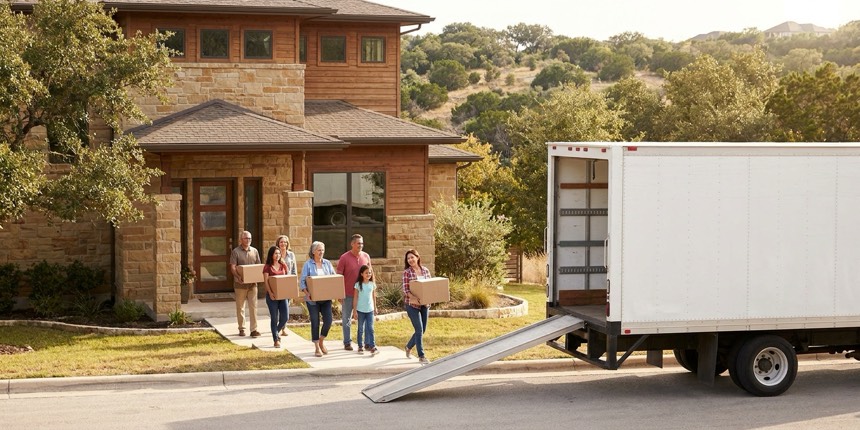
Few city comparisons produce a gap as wide as New York City versus Austin. By one widely cited 2026 estimate, it takes roughly $11,500 a month in New York to sustain the same standard of living that $6,900 buys in Austin — a difference so large it reshapes not just a budget but a life. […]
Read MoreChicago vs. Charlotte (2026): The Queen City at a Fraction of the Cost
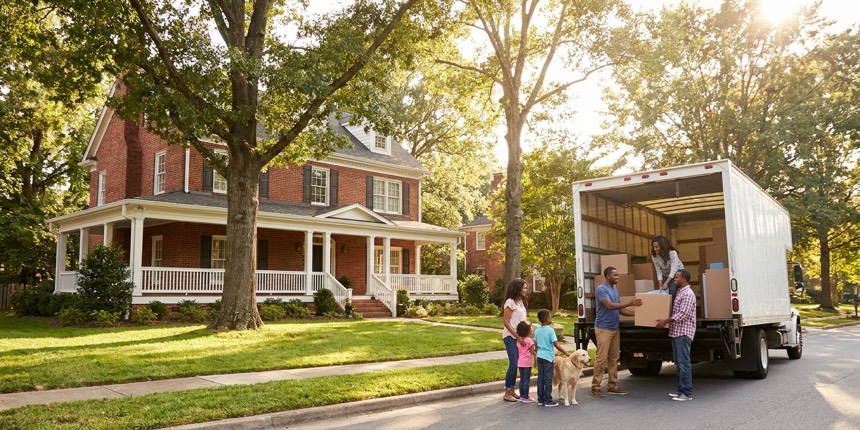
For a Chicago household weighing a move south, Charlotte presents an unusually clean comparison: a real city, with a genuine corporate economy and four mild seasons, at a fraction of Chicago’s cost — and, most strikingly, a fraction of its property-tax burden. A Chicago homeowner paying the metro’s effective property-tax rate near 1.98% on a […]
Read More

Table of Contents

Atlas Van Lines, Inc. U.S. DOT No. 125550 (TM & © 2026 AWGI LLC.) | G.P.S.C. 4917 | IL C.C. 4246 | NJPC 00104 | Cal-T 110193
© 2026 Nelson Westerberg, Inc. All Rights Reserved Worldwide.