Moving Guide to Grand Rapids: West Michigan’s Rising Star

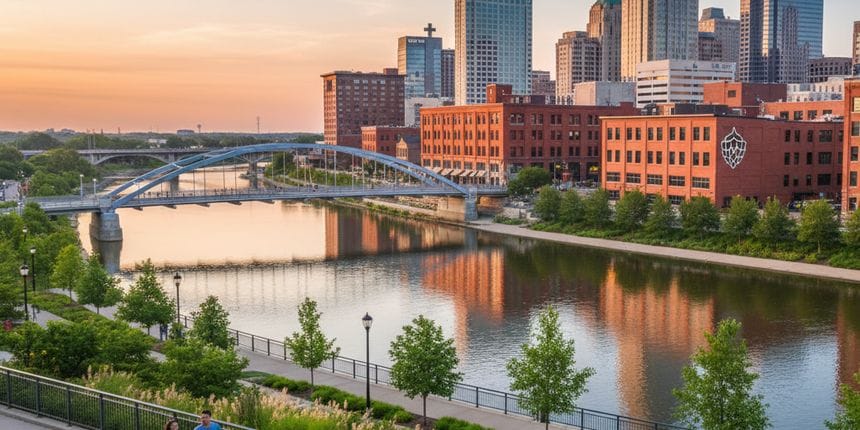
Grand Rapids offers something increasingly rare—a mid-sized city on the rise, with genuine affordability, growing economic opportunity, and quality of life that attracts attention from people seeking alternatives to both coastal metros and pure suburbia. Michigan’s second-largest city, with approximately 200,000 residents (and nearly 1.1 million in the metropolitan area), has transformed from a furniture manufacturing center into a diversified economy anchored by healthcare, higher education, and the craft industries that have made it a destination.
The appeal is practical and cultural. Housing costs remain genuinely accessible, the job market is strong across multiple sectors, and the community has developed an identity that balances Midwest practicality with creative energy. The craft beer revolution made Grand Rapids famous nationally, but the city offers depth beyond the breweries—arts, outdoor recreation, and a growing food scene that rewards exploration.
This guide offers a roadmap for understanding Grand Rapids’ particular position in Michigan’s landscape, from navigating its housing market to integrating into a community that takes pride in its distinctiveness from Detroit and its coastal positioning on the Lake Michigan side of the state. A trusted partner like Nelson Westerberg handles the logistics of your move with precision, allowing you to focus on joining one of the Midwest’s most interesting smaller cities.
Why People Are Moving To Grand Rapids
Grand Rapids attracts residents seeking quality of life at accessible prices, often as an alternative to larger metros or more expensive regions. Understanding these draws helps determine if the city aligns with your priorities.
For a move to this distinctive city, partnering with an experienced mover like Nelson Westerberg ensures your transition reflects the care you’re investing in your new life.
Genuine Affordability
Grand Rapids offers something increasingly scarce: real affordability in a growing city with genuine amenities.
Median home prices: Approximately $275,000-$300,000, significantly below Detroit suburbs and dramatically below coastal metros.
Rental affordability: Options across price points, with quality apartments available at reasonable rates.
Cost of living: Approximately 10% below national average overall.
Purchasing power: Salaries stretch further here than in most comparably sized cities.
For first-time homebuyers, young families, and anyone seeking to escape housing cost pressure, Grand Rapids delivers.
Strong And Diversified Economy
Grand Rapids has evolved beyond its furniture manufacturing heritage into a genuinely diversified economy:
Healthcare: Spectrum Health (now Corewell Health) is the region’s largest employer, with major hospital systems providing thousands of positions.
Higher education: Multiple colleges and universities create employment and drive innovation.
Manufacturing: Advanced manufacturing continues, including automotive suppliers and specialized production.
Food and beverage: The craft economy (beer, distilling, food production) has grown into serious industry.
Professional services: Growing base of legal, financial, and consulting firms.
The unemployment rate typically runs below state and national averages, reflecting economic health.
Craft Culture And Creative Scene
Grand Rapids earned its “Beer City USA” reputation through quality and concentration—over 80 breweries in the metro area create options from neighborhood taprooms to nationally distributed brands. But the craft culture extends beyond beer:
Distilleries and cideries expanding the craft beverage landscape
Farm-to-table dining supported by West Michigan agriculture
ArtPrize: The internationally recognized public art competition draws hundreds of thousands annually
Music venues and live performance from intimate clubs to outdoor festivals
The creative energy gives Grand Rapids character that purely practical cities lack.
Lake Michigan Access
Grand Rapids’ West Michigan position provides something Metro Detroit cannot: easy access to Lake Michigan’s beaches. The shoreline is approximately 30-40 minutes west, offering:
Sandy beaches for summer recreation
Dune landscapes and natural areas
Beach towns (Holland, Grand Haven, Saugatuck) for day trips and weekends
Year-round lakeside recreation
For those who want Great Lakes access integrated into regular life rather than occasional road trips, Grand Rapids delivers.
Community And Values
Grand Rapids’ character reflects its heritage—strong community cohesion, family values, and civic engagement. The significant Dutch Reformed influence shapes community character in ways both visible (institutions, culture) and subtle (work ethic, community investment).
The community is welcoming but also distinctly itself—not trying to be a bigger city or imitate elsewhere. Residents take pride in Grand Rapids’ identity.
Essential Things To Know Before Moving To Grand Rapids
Grand Rapids’ appeal comes with distinct characteristics worth understanding.
While a professional partner like Nelson Westerberg manages the logistics of transporting your belongings, these broader considerations require your evaluation.
Climate Reality: Lake Effect
West Michigan’s proximity to Lake Michigan creates climate patterns distinct from Metro Detroit:
Winter: Cold and SNOWY. Grand Rapids averages 70-75 inches of snow annually—nearly double Detroit’s average. Lake effect storms can dump significant snow quickly.
Summers: Pleasant and moderate, often slightly cooler than inland areas.
Gray winters: Cloud cover from the lake creates extended overcast periods.
If you’re considering Grand Rapids, be honest about winter tolerance. The snow is significant and the gray can challenge those sensitive to limited sunlight.
Different From Detroit
Grand Rapids is not a smaller Detroit—it’s a different city with distinct character:
West vs. East: The regions have separate identities, economies, and cultures.
Smaller scale: Metro Grand Rapids is roughly one-sixth the size of Metro Detroit.
Different industries: Healthcare and furniture vs. automotive.
Conservative character: West Michigan trends more politically and culturally conservative than Metro Detroit.
Understanding these differences helps set appropriate expectations.
Housing Market Dynamics
Grand Rapids’ growing appeal has increased housing competition:
Inventory has tightened as demand increased
Prices have risen but remain accessible by most standards
Popular neighborhoods and school districts command premiums
New construction is expanding to meet demand
The market is competitive but far less intense than premium Detroit suburbs.
Employment Landscape
Most professional employment requires working in Grand Rapids—remote work for employers elsewhere is possible, but the local job market drives the economy. Major employers include:
Corewell Health (formerly Spectrum Health): Largest employer, healthcare
Steelcase, Herman Miller (now MillerKnoll), Haworth: Furniture/office furniture
Amway: Consumer products and services
Meijer: Retail (headquartered in area)
Numerous smaller employers across sectors
Cultural Environment
Grand Rapids’ character includes:
Strong religious community presence (Dutch Reformed heritage)
Family-oriented values
Active civic engagement
Growing but not radical creative scene
Generally conservative political environment
The community is welcoming but also confident in its identity. Those seeking cutting-edge progressive culture may find it less prevalent than in larger metros.
Planning Your Move To Grand Rapids
A successful relocation requires strategic planning appropriate to Grand Rapids’ market.
Timeline Development
Begin your moving timeline at least 6-8 weeks before your target date. The housing market is competitive but manageable; reasonable lead time allows strategic housing search.
Budget Planning
Use tools to calculate your moving costs and ensure you’re saving appropriately.
Grand Rapids-specific budget considerations:
More affordable housing than many alternatives
Potential need for snow removal equipment/services
Michigan auto insurance (higher than many states)
Standard moving and transition expenses
Housing Search Approach
Grand Rapids offers variety:
Urban: Downtown lofts and city neighborhoods
Traditional suburban: Established neighborhoods with range of housing
Newer development: Expanding subdivisions in growing areas
Surrounding communities: Options in places like Kentwood, Wyoming, Walker
Work with agents who know the local market and can match priorities to neighborhoods.
Documentation And Preparation
Standard Michigan requirements:
Driver’s license and vehicle registration within 30 days
Michigan auto insurance before registration
School enrollment documentation if applicable
Utility arrangements
Selecting Professional Moving Services
Choosing the right moving partner matters. Understanding how to choose a moving company protects your investment.
Service Options
Different types of moving services match different situations:
Full-service: Professionals handle everything—valuable when time is limited.
Transportation-focused: You pack; they transport—lower cost option.
Long-distance specialty: For moves from outside Michigan.
Nelson Westerberg offers home moving services and interstate moving scaled to your needs.
Getting Accurate Estimates
Understand moving costs before committing. Request estimates based on actual inventory surveys.
Insurance Coverage
Two options:
Released Value Protection: Free but minimal.
Full Value Protection: Additional cost, replacement value coverage.
Full Value Protection recommended for most households.
Neighborhoods And Housing Options
Grand Rapids and surrounding areas offer diverse living options.
Downtown Grand Rapids
Urban living in the city core, with walkable access to restaurants, entertainment, and culture.
Price range: Varies widely; lofts and condos from $200,000-$500,000+ Character: Urban, walkable, young professional-oriented Best for: Those seeking urban lifestyle in a smaller city
East Grand Rapids
Affluent suburb with strong schools, established neighborhoods, and premium housing.
Price range: $400,000-$800,000+ Character: Upscale suburban, excellent schools Best for: Families prioritizing schools and established community
Heritage Hill
Historic neighborhood with Victorian architecture, urban character, and artistic community.
Price range: $200,000-$600,000+ depending on condition Character: Historic, artistic, urban Best for: Those seeking character and urban living
Surrounding Communities
Kentwood, Wyoming, Walker, Grandville, and others offer:
More affordable housing options
Suburban character with Grand Rapids access
Growing areas with newer construction
Varying school districts
Price range: $200,000-$400,000 in many areas Character: Suburban, family-oriented Best for: Families seeking value and space
Lake Access Communities
Holland, Grand Haven, and similar lakeshore communities offer:
Lake Michigan proximity
Beach town character
Higher prices than inland areas
Seasonal tourism dynamic
Employment And Career Landscape
Grand Rapids’ economy provides diverse employment.
Major Employers
Corewell Health (Spectrum Health): ~30,000+ employees, largest employer
MillerKnoll (Herman Miller + Knoll): Office furniture
Steelcase: Office furniture
Amway: Consumer products
Meijer: Retail
Grand Valley State University, Calvin University, Aquinas College: Higher education
Industry Sectors
Strong sectors include:
Healthcare: Major employer and growing
Manufacturing: Furniture, automotive supply, food processing
Higher education: Multiple institutions
Professional services: Growing base
Food and beverage: Craft industry employment
Remote Work Considerations
Grand Rapids’ affordability makes it attractive for remote workers earning higher wages from employers elsewhere. The city’s infrastructure supports remote work well, and the quality of life provides genuine lifestyle benefits.
For remote workers, Grand Rapids offers significant purchasing power—coastal salaries go far here.
Career Development
The mid-sized market means:
Fewer employers than major metros
Potentially less job mobility without relocation
Strong opportunities within growth sectors
Community where professional networking is accessible
Settling Into Daily Life
Once your belongings arrive—handled with care by Nelson Westerberg—building your new life begins.
Administrative Essentials
Complete promptly:
Secretary of State: Michigan license and vehicle registration within 30 days.
Utilities: Consumers Energy (electric/gas), City of Grand Rapids or local providers (water).
Schools: Contact appropriate district for enrollment.
Voter registration: Register with your jurisdiction.
Embracing Grand Rapids Culture
Integration happens through:
Brewery exploration: Experience the craft culture that defines the city
Farmers market: Downtown market as community gathering place
ArtPrize participation: Fall competition engages entire community
Outdoor recreation: Trails, parks, and Lake Michigan access
Neighborhood involvement: Community engagement is valued
Lake Michigan Access
Make lakeshore part of your routine:
Summer beaches: Grand Haven, Holland, Saugatuck
Year-round recreation: Dunes, trails, lakeside dining
Beach town experiences: Each community has distinct character
Family Life
Families integrate through:
School activities: Strong community around schools
Youth sports and activities: Comprehensive offerings
Religious communities: Significant part of community life
Family-oriented events: Community programming throughout year
Winter Preparation
Take winter seriously:
Snow removal: Budget for equipment or services
Vehicle preparation: Winter tires or all-season at minimum
Driving skills: Lake effect storms require respect
Indoor activities: Develop winter routines and hobbies
Frequently Asked Questions
What salary is needed to live comfortably in Grand Rapids?
Grand Rapids’ affordability means comfortable living at lower income levels than many cities. Household income of $60,000-$90,000 typically supports comfortable living, with higher incomes providing more options. The median household income is approximately $55,000-$60,000, indicating that many families live well here at moderate income levels.
How bad are winters really?
The snow is significant—70-75 inches annually on average, with lake effect storms capable of dramatic accumulation. Winters are cold and often gray from lake-effect cloud cover. Those who enjoy winter find it manageable and even beautiful. Those who dislike cold and snow may struggle. Be honest with yourself about winter tolerance.
Is Grand Rapids boring compared to bigger cities?
This depends entirely on expectations. Grand Rapids offers:
Excellent craft beverage scene
Good restaurants and growing food culture
Arts community and cultural events
Outdoor recreation access
Lake Michigan within reach
It doesn’t offer big-city scale nightlife, professional sports, or the breadth of options available in metros many times larger. Those seeking urban intensity may find it insufficient; those seeking quality of life at accessible prices often find it ideal.
What’s the commute to Detroit?
Grand Rapids to Detroit is approximately 150 miles / 2.5 hours—not a commutable distance. These are separate metropolitan areas with distinct economies. Choose based on where your life (employment, family, priorities) will be centered.
Is Grand Rapids diverse?
Grand Rapids is diversifying, with growing Hispanic and other communities, but remains less diverse than larger metros. The Dutch Reformed heritage creates distinct cultural character. The community is generally welcoming but also confident in its identity.
Conclusion
Grand Rapids offers a compelling alternative for those seeking quality of life at accessible prices in a city with genuine character and identity. The combination of affordability, strong economy, Lake Michigan access, and craft culture creates something distinctive in the Midwest landscape.
A successful move requires honest assessment of fit. Key considerations include:
Winter reality: 70+ inches of snow annually is not negotiable. Be certain you can handle significant winter.
Scale expectations: Mid-sized city amenities, not major metro breadth.
Community character: West Michigan’s values and culture are distinct; embrace rather than resist.
Affordability appreciation: The lower cost of living is genuine and meaningful.
With a solid plan and the right support, Grand Rapids provides the foundation for quality life at accessible prices. Let Nelson Westerberg handle the logistics of your relocation with the expertise your belongings deserve. Your West Michigan chapter awaits.
Related Articles
New York City vs. Austin (2026): What Your Paycheck Really Buys
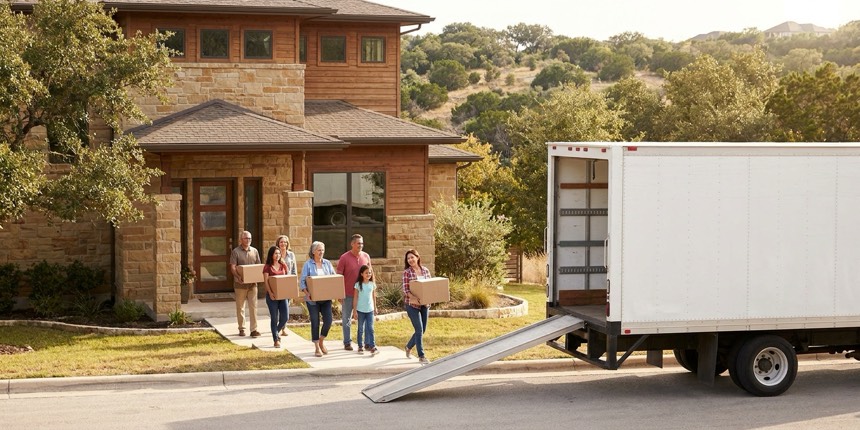
Few city comparisons produce a gap as wide as New York City versus Austin. By one widely cited 2026 estimate, it takes roughly $11,500 a month in New York to sustain the same standard of living that $6,900 buys in Austin — a difference so large it reshapes not just a budget but a life. […]
Read MoreChicago vs. Charlotte (2026): The Queen City at a Fraction of the Cost
For a Chicago household weighing a move south, Charlotte presents an unusually clean comparison: a real city, with a genuine corporate economy and four mild seasons, at a fraction of Chicago’s cost — and, most strikingly, a fraction of its property-tax burden. A Chicago homeowner paying the metro’s effective property-tax rate near 1.98% on a […]
Read More

Table of Contents

Atlas Van Lines, Inc. U.S. DOT No. 125550 (TM & © 2026 AWGI LLC.) | G.P.S.C. 4917 | IL C.C. 4246 | NJPC 00104 | Cal-T 110193
© 2026 Nelson Westerberg, Inc. All Rights Reserved Worldwide.