Your Moving Guide to Rome, NY: What to Know Before You Go

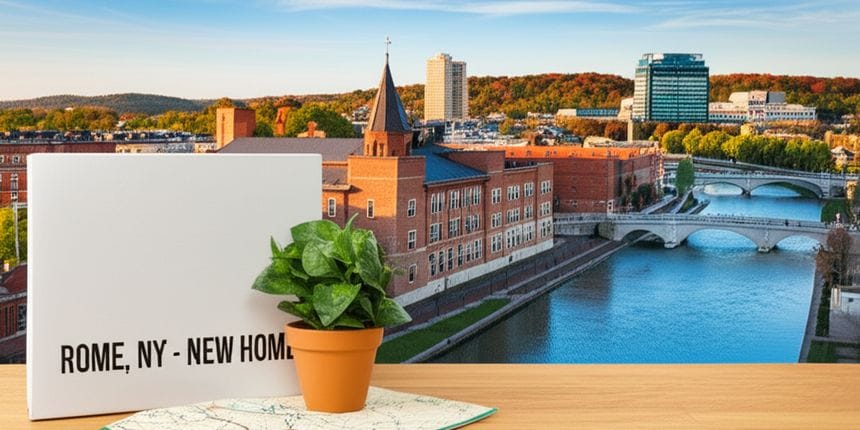
The search for a city that offers both a thriving career path and an affordable lifestyle often feels like an impossible puzzle. In New York’s Mohawk Valley, the city of Rome is quietly rewriting that narrative.
Historically, the “Copper City” and the starting point for the Erie Canal, Rome, has transformed into a modern hub with a surprisingly low cost of living. A median home price significantly below the national average meets a burgeoning tech sector centered around the Griffiss Business and Technology Park.
This is a place where you can build a career in cutting-edge industries like cybersecurity and defense. You can do it all without the financial strain of a major metro area, enjoying a community-focused lifestyle instead.
Making this vision a reality requires a clear roadmap, which this guide offers. We’ve spent decades helping families and professionals chart their relocations, pouring that expertise into this resource for you.
Together, we’ll walk through everything from Rome’s strong job market and seasonal climate to the practical steps of finding the perfect neighborhood.
When you’re ready to handle the logistics, know that Nelson Westerberg has the local experience to make your transition to Rome seamless. Let’s get you started on your journey to a successful and rewarding new life in Rome, New York.
Why People Are Moving To Rome
So, what’s the big draw? Why are so many individuals and families setting their sights on Rome, New York? The answer, according to movers in New York, isn’t a single “aha!” moment. It’s a compelling combination of financial sense, career potential, and a quality of life that’s increasingly hard to find.
People are discovering that Rome offers a unique chance to plant roots in a community that values both its rich history and its forward-thinking future. It’s a place where your paycheck goes further, your commute is shorter, and community isn’t just a buzzword.
Affordable Cost Of Living And Housing Market
Here’s the thing that often seals the deal for people considering a move: affordability. Amid escalating housing costs, Rome stands out as a breath of fresh air.
The median home value hovers around a remarkably accessible $140,910. To put that in perspective, it’s significantly more attainable than in most parts of the country, making homeownership a realistic goal.
What this means for you is a clear path to owning a home without draining your savings. For renters, the story is just as appealing, with median monthly rents averaging about $745. This financial breathing room allows residents to invest, save, or simply enjoy more of what the region has to offer.
Strong Employment Opportunities In Technology And Defense
While Rome is affordable, it doesn’t skimp on career opportunities. The city is a powerhouse in sectors that are shaping the future, especially at the Griffiss Business & Technology Park.
This former Air Force base has been transformed into a major economic engine. It attracts top companies in technology, manufacturing, and aviation. Driving this growth are several key employers forming a robust and resilient job market:
The Rome Laboratory: A leading-edge Air Force research center focused on cyber technology and intelligence.
Defense Finance and Accounting Service (DFAS): A major federal agency providing thousands of stable government jobs.
High-Tech Private Industry: A growing cluster of companies that offers a wealth of private-sector opportunities.
For professionals in these fields, Rome offers the rare chance to build a high-impact career while enjoying the benefits of a low-cost, community-oriented city.
Rich Historical Heritage And Cultural Attractions
Rome is a city with remarkable historical importance. It’s where the first shovelfuls of earth were dug for the original Erie Canal, a project that literally changed the nation. This sense of history isn’t confined to museums; it’s woven into the city’s character. You can feel it in the architecture and see it in the community’s pride.
But it’s not all about the past. This historical charm is balanced with a modern focus on community and recreation.
Families can enjoy numerous playgrounds and parks, like Bellamy Harbor Park along the canal, which is perfect for picnics and fishing. The city fosters a friendly, welcoming environment where neighbors know each other and community events bring people together.
Strategic Location With Easy Access To Major Cities
Living in Rome gives you the best of both worlds. You get the peace of a smaller city and the convenience of being well-connected.
Situated centrally in the Mohawk Valley, Rome has direct access to the New York State Thruway. This makes trips to larger upstate hubs like Syracuse (under an hour) and Utica (about 30 minutes) quick and easy.
This strategic position is ideal for those who travel for work or want to explore the wider region on weekends. You can be hiking in the vast Adirondack Mountains or wine tasting in the beautiful Finger Lakes with little hassle.
This connectivity ensures you’re never far from bigger-city amenities while still coming home to a place that feels calm and manageable. When you’re ready to make this plan a reality, our team at Nelson Westerberg knows the Mohawk Valley and can handle the logistics, letting you focus on starting your new life in Rome.
Essential Things To Know Before Moving To Rome
You’re sold on the “why,” so let’s get into the “how.” A successful move is all about understanding the practical, on-the-ground realities before the moving truck even pulls up.
This is the kind of information that transforms a stressful relocation into a smooth, well-planned transition, a crucial part of the process for anyone moving to New York. From the weather you’ll need to dress for to the best ways to get around town, here are the fundamental details for calling Rome, New York, your new home.
Climate Expectations And Seasonal Preparations
Let’s be direct: Rome has four distinct seasons, and winter is a major event. The area gets an average of 99 inches of snowfall annually.
For anyone moving from a warmer climate, that number is a critical piece of information. For locals, it’s just a part of life that you prepare for. What this means for you is investing in a good set of winter tires, a reliable snow shovel or snowblower, and quality cold-weather gear.
The trade-off? You get beautiful, mild summers and absolutely stunning autumns. With average temperatures ranging from highs of 56°F to lows of 36°F over the year, you’ll experience the full, beautiful spectrum.
Planning a move during the spring, summer, or early fall is often the easiest path. If a winter move is unavoidable, partnering with an experienced team like ours at Nelson Westerberg, who knows how to handle upstate New York weather, can make all the difference.
Local Economy And Major Industries Overview
A closer look at Rome’s economy reveals a smart, diversified foundation that isn’t reliant on a single industry. This creates a stable and resilient job market. The major players fall into a few key sectors:
Technology and Defense: The Air Force Research Laboratory (Rome Lab) and the Defense Finance and Accounting Service (DFAS) are cornerstones, providing thousands of stable, high-tech, and federal government jobs.
Business and Manufacturing: The Griffiss Business & Technology Park is a sprawling hub for everything from advanced manufacturing and aviation to education and logistics.
Healthcare: Serving the community since 1830, the Mohawk Valley Health System is a major employer and the primary healthcare provider for the entire region.
This mix of public and private sector employment creates a robust economic environment. It offers real opportunities across a wide variety of skill sets and career paths.
Transportation Infrastructure And Connectivity Options
Getting around Rome and the surrounding region is straightforward once you know your options. The city is primarily car-centric, with easy access to several state routes and three exits on the New York State Thruway (I-90). This makes commuting to nearby cities like Utica or Syracuse a simple and direct drive.
Within the city itself, the Centro bus system provides public transportation, and a growing network of bike lanes serves cyclists. For longer trips, the historic Martin Street Train Station is served by Amtrak, with multiple daily departures.
Here’s a key detail for newcomers: ridesharing services like Uber are not currently available in Rome. Most residents rely on their own vehicles for daily errands, so having a car is highly recommended for convenience.
Healthcare Facilities And Medical Services Availability
Access to quality healthcare is a non-negotiable for any family planning a move. In Rome, the healthcare terrain is anchored by the well-established Mohawk Valley Health System.
As the community’s primary provider, it offers a wide-ranging set of medical services, from emergency care to specialized treatments, ensuring reliable support is always close to home.
For highly specialized or tertiary care, the city’s proximity to larger medical centers in Syracuse provides an extra layer of assurance. This gives you easy access to a wider network of specialists whenever the need arises.
Planning Your Move To Rome
You have a clear picture of what Rome, New York, has to offer. Now, it’s time to build the bridge from “why” you’re moving to “how” you’ll get there successfully.
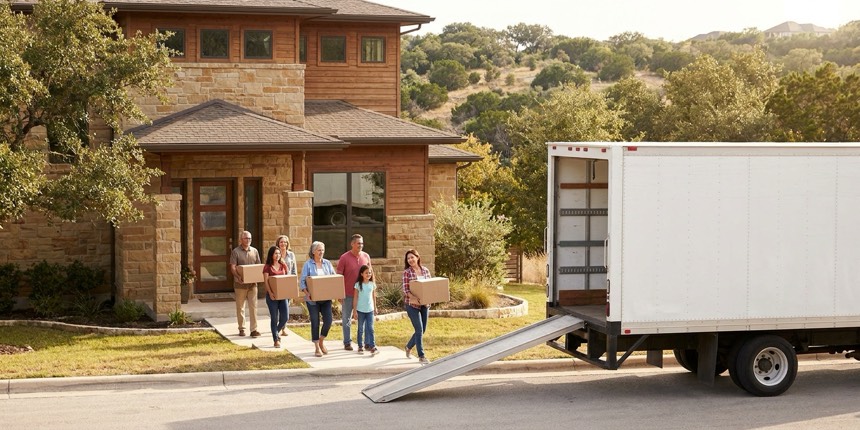
A smooth, low-stress relocation is no accident. After managing thousands of moves, we know it’s the result of a thoughtful, organized plan. Breaking the process down into manageable steps is the key to planning your move, so let’s map out your transition to Rome.
Creating Your Personalized Moving Timeline
The secret to avoiding that last-minute panic is simple: start early and follow a strategic moving timeline. An eight-week countdown is a proven framework that keeps you in control every step of the way.
8 Weeks Out: Research & Declutter. This is your intelligence-gathering phase. Start by getting detailed estimates from reputable moving companies—an experienced team like ours at Nelson Westerberg can provide a thorough assessment of your needs. At the same time, go through your home room by room. Every item you donate, sell, or discard now is one less thing to pack and pay to move later.
4-6 Weeks Out: Book & Box. Now, the plan becomes tangible. If you’re packing yourself, order your materials, and get about 20% more boxes than you think you’ll need. Begin packing non-essential items like out-of-season clothing, books, and decorative pieces. What’s most important here? Finalize your choice of mover and lock in your moving date.
2-3 Weeks Out: Handle the Logistics. It’s time to manage the official transfers. Arrange for school and medical records to be sent to your new providers in Rome. Notify your current utility companies of your move-out date and schedule service activation at your new address. You should also complete your change-of-address form with the USPS.
1 Week Out: Final Preparations. You’re in the home stretch. Confirm all arrival times and details with your moving company. Pack a dedicated “essentials box” with everything you’ll need immediately: toiletries, medications, phone chargers, a change of clothes, basic tools, and maybe even the coffee maker. Finish packing and label every single box with its contents and destination room—your future self will thank you.
Budgeting For Your Relocation Expenses
A clear, realistic budget is one of the best tools for a stress-free move. It’s critical to look beyond the moving company’s quote, so be sure to calculate your moving costs to map out the full scope of your expenses. Think about professional moving services, packing supplies, housing deposits, travel costs, and even the tip amount for your movers.
Rome’s affordable median home value (around $140,910) and average rent (near $745) provide a great financial starting point, which helps with saving enough to move. Even so, a smart budget includes a contingency fund of 10-15% of your total moving cost. This gives you a crucial safety net for any unexpected needs that pop up.
Researching Rome Neighborhoods And Communities
Finding the right house is one thing; finding your community is everything when moving from one house to another. Rome offers a wonderful variety of neighborhoods, each with its own distinct character.
Some areas feature historic, tree-lined streets, while others are newer and closer to parks or recreational spaces. Families often explore nearby communities like Cazenovia, Fayetteville, and Manlius for their highly-regarded school districts, even with a commute.
If possible, a pre-move visit is invaluable for getting a true feel for different areas. If you can’t visit, use Google Street View for a virtual walk and check out local community forums to hear directly from residents.
Organizing Important Documents And Account Transfers
In the flurry of packing boxes, don’t let the paperwork get lost in the shuffle. Create a single, dedicated “moving binder” or secure digital folder for all your critical documents. Having everything in one place is a lifesaver. Your moving file should include:
Birth certificates and passports
Social Security cards
Vehicle titles and insurance policies
Your new lease or home sale agreement
Contact information for your moving coordinator
At the same time, manage your account transfers. Inform your bank, credit card companies, and any subscription services of your new address. Here’s the key to a smooth arrival: arrange to have utilities connected at your new home in Rome the day before you get there. This simple step ensures you can walk into a home with lights, heat, and internet on day one.
Selecting Professional Moving Services For Your Rome Relocation
Choosing who to trust with your belongings is one of the biggest decisions you’ll make. While it’s tempting to focus only on the price, the right moving partner delivers something far more valuable: genuine peace of mind.
You need a team that respects your possessions, understands the various types of moving services available for your specific move, and has the experience to handle any curveballs. Finding that perfect fit is what turns a stressful relocation into a successful one.
Evaluating Moving Companies With Rome Experience
Not all moving companies are equal, particularly regarding local knowledge. A mover with profound experience in upstate New York understands the area’s unique challenges. They know how to explore routes like NY-365 and NY-49 efficiently and plan for the region’s distinct seasons, from humid summers to winters with significant lake-effect snow.
When vetting potential movers, the process of finding the best movers requires looking past the sales pitch and checking their credentials. A quick search for their U.S. Department of Transportation (USDOT) number is a great first step. Then, read reviews on independent sites to see what real customers are saying.
Here’s the thing: a company with a proven track record, like Nelson Westerberg, brings national resources and local expertise together. We know the Mohawk Valley, and that direct experience means a smoother, more predictable moving day.
Comparing Local Versus Long-Distance Moving Options
The distance of your move determines the type of service and pricing structure you’ll encounter. It’s important to know which category your relocation falls into.
Local Moves: Typically under 100 miles, these are often priced by the hour. The total cost depends on the size of the moving crew and the time it takes to complete the job.
Long-Distance Moves (Interstate): Moving to Rome from another state? This is priced based on the total weight of your shipment and the mileage it travels.
For a long-distance move, full-service long-distance moving companies truly shine. While a DIY approach might seem cheaper at first glance, the costs add up quickly. Once you factor in a 26-foot truck rental, fuel, moving pads, and the very real risk of damaging your furniture, the price gap often shrinks.
What this means for you is saving more than just money. You’re saving yourself from days of intense physical labor and mental stress, freeing you up to focus on settling into your new life in Rome.
Securing Moving Insurance And Protection Plans
Understanding how your belongings are protected isn’t just a detail—it’s non-negotiable. By federal law, professional movers must offer two types of liability coverage, and the difference between them is massive.
Released Value Protection: This is the standard, no-cost option. It provides minimal coverage at just 60 cents per pound, per item. So if your 20-pound, $800 television gets damaged, you would only be reimbursed $12.00. It’s basic, but it’s rarely enough.
Full Value Protection: This is a detailed plan available for an additional cost. With this option, the mover is liable for the replacement value of any lost or damaged item. It’s a smart investment in your security and highly recommended for any move.
At Nelson Westerberg, we believe in total transparency. We take the time to walk our clients through their options so they can confidently choose the protection plan that fits their needs and budget.
Coordinating Moving Logistics And Scheduling
Once you’ve chosen a mover, it’s time to lock in the details. A reputable company will provide a detailed, written estimate and a Bill of Lading—the official contract for your move. This document is your guide. It should clearly outline all services, costs, and the pickup and delivery windows.
Now, let’s talk about timing. When scheduling your move to Rome, the local climate is a major factor. With an average of nearly 100 inches of snowfall annually, a winter move requires serious expertise and planning for potential delays.
If you can, aim for a move in the late spring, summer, or early fall. If a winter move is unavoidable, partnering with a seasoned professional is critical.
We’ll discuss access to your new home and have a clear plan for a safe, efficient unload, no matter the weather. Our specialty is coordinating these logistics, ensuring that when you arrive in Rome, the final step of your journey is the easiest one.
Finding Your Perfect Home In Rome
With your moving partner selected, the real fun begins: finding the place you’ll call home. This is the moment your new life in Rome truly starts to feel real.
A huge draw for many newcomers is the city’s accessible housing market. The dream of owning a home or finding a comfortable, affordable rental isn’t just a dream here—it’s genuinely within reach for many.
Navigating The Rome Real Estate Market
Let’s talk numbers. Rome’s real estate market is known for its affordability, with a median home value of around $140,910. That figure is significantly lower than both the New York State and national averages.
What this means for you is that your housing budget simply goes further. It could be the difference between a starter home and a forever home, or just provide welcome financial breathing room.
The housing stock itself is a charming mix of established neighborhoods and more modern developments, offering single-family homes, duplexes, and townhomes. Here’s a key piece of local knowledge: some areas feature former military housing that can be older. A great local real estate agent is your best asset for exploring the inventory and discovering a gem.
Rental Market Insights And Apartment Hunting Tips
If you’re planning to rent, you’ll find the market in Rome is just as welcoming. The city’s median monthly rent sits at an attractive $745.
You might see some sticker shock on current listings, though—like studios near $1,456 or one-bedrooms around $827 as of early 2026. This gap usually points to newly built or fully renovated units with modern amenities, which command higher prices than the city-wide average. When you’re ready to hunt for an apartment, here are a few tips to get ahead:
Look beyond the big websites. Check with local property management companies and scan community boards for private listings.
Be prepared. The best spots go fast, so have your application info and deposit ready to go.
Visit in person. The price range is wide, so it really pays to tour different complexes and neighborhoods to see what your budget truly gets you.
Best Neighborhoods For Families And Young Professionals
Let’s be honest: the “best” neighborhood is the one that’s best for you. Rome delivers a friendly, community-focused vibe for everyone. Within the city limits, you can find quiet, tree-lined streets perfect for families, along with areas closer to downtown with a more energetic pulse.
For many, however, the search expands to nearby communities, especially for those prioritizing top-rated schools or a classic suburban lifestyle. It’s a popular choice for professionals and families working in Rome to live in one of the acclaimed suburbs and commute. Many newcomers explore these top-ranked Upstate New York communities:
Cazenovia: Known for its stunning lake, charming village, and excellent schools.
Fayetteville & Manlius: These neighboring communities are highly sought-after for their outstanding school systems and family-friendly amenities.
Dewitt & Jamesville: Presenting a combination of suburban comfort and easy access to Syracuse, these areas are popular choices.
This trade-off—a short drive for a top-tier suburb—is a smart strategy many people use to get the best of both worlds.
Home Inspection And Final Purchase Considerations
No matter if you’re buying a historic home or a newer build, a thorough home inspection is non-negotiable. It’s your single best protection against surprises.
An inspector will provide a comprehensive assessment of the property’s essential systems: structural integrity, roof, plumbing, electrical, and HVAC.
Here’s the thing about living in a region with cold winters and heavy snow: the quality of the insulation, windows, and heating system is paramount. A good inspection here can save you from thousands in unexpected repairs.
Once the inspection is clear and the keys are in your hand, that’s our cue. A professional team like Nelson Westerberg is ready to manage the final leg, ensuring your belongings arrive safely and are placed right where you want them in your new Rome home.
Settling Into Daily Life In Rome
The moving truck has pulled away, and the last box is safely inside. For our team at Nelson Westerberg, this is the most rewarding part of the journey—the moment a new address starts to feel like home.
Now, the real adventure begins. Settling into daily life in Rome is all about connecting with the city’s welcoming rhythm and discovering your new community.
Establishing Local Services And Utilities
First things first: let’s get your new home fully up and running. Tackling these essential tasks early helps create an immediate sense of order and calm.
Your initial checklist should focus on setting up utilities like electricity, natural gas, water, and internet. The City of Rome’s official website is your best resource for a list of local providers, or your real estate agent can often point you in the right direction. Here are a few other key administrative items to handle in your first week:
File your official change of address with the USPS online or at a local post office.
Schedule a visit to the DMV to get a New York State driver’s license and register your vehicle.
If you have kids, reach out to the Rome City School District to finalize their enrollment paperwork.
Building Community Connections And Social Networks
Rome is known for its genuinely welcoming atmosphere. It’s a city where neighbors still get to know one another by name.
The key is to jump right in. Look for local clubs, volunteer opportunities with organizations you care about, or the parent-teacher association at your child’s new school.
Attending community events posted on local forums or at the Jervis Public Library is another fantastic way to meet people. It’s a safe, friendly town, making it easy to strike up a conversation and build a new social network from the ground up.
Exploring Local Recreation And Entertainment Options
Once the essentials are handled, the fun begins. Rome is packed with opportunities for outdoor recreation and family-friendly activities.
A perfect place to start is Bellamy Harbor Park. Situated right on the historic Erie Canal, it’s an ideal spot for a weekend picnic, a bit of fishing, or a leisurely walk along the water.
For a more active community vibe, Center Square Park is a local hub hosting everything from summer concerts to basketball tournaments. What this means for your family is a built-in calendar of local fun. With 12 playgrounds and five public swimming pools scattered across the city, keeping everyone active during the warmer months is a breeze.
Adapting To Rome’s Lifestyle And Community Culture
Life in Rome moves at a comfortable pace. It offers a unique balance of four-season charm and modern convenience. Adapting means embracing everything from sunny summers on the canal to cozy, snowy winters.
You’ll quickly learn the local transportation options, including the Centro public bus system and the city’s bike-friendly lanes. Here’s a key piece of local knowledge: ride-sharing services like Uber and Lyft do not operate here, so having a personal vehicle is the norm for most residents.
This combination of small-town self-reliance and community-focused living is the ultimate expression of truly making Rome your own.
Long-Term Success Strategies For Rome Residents
Moving is just the first chapter. The real story begins as you weave your life into the fabric of a new community.
From our experience, a successful relocation sets you up not just to live, but to thrive for years. Putting down roots in Rome means looking beyond unpacking boxes and planning for a sustainable, rewarding life.
Career Development And Professional Networking Opportunities
A fulfilling career is often the bedrock of long-term stability. Rome’s economic terrain is anchored by robust, future-focused industries, making it a place to build a career, not just find a job. Major employers like the Rome Laboratory—a national leader in cyber technology—and the Defense Finance and Accounting Service (DFAS) offer stable, high-value employment.
What this means for you is a chance to grow within a specialized ecosystem. The Griffiss Business & Technology Park is the engine of this growth, hosting a diverse mix of companies in tech, manufacturing, and aviation.
To tap into this network, start by connecting with the local Chamber of Commerce. Attending industry events tied to Griffiss Park can open doors you might not find in a larger, more saturated market.
Educational Resources For Families With Children
For families, long-term success is deeply tied to the quality of their children’s education. The Rome City School District serves the community with a full range of elementary, middle, and high schools.
As you plan your family’s future, we recommend researching individual schools and connecting with parent organizations. It’s the best way to get a true feel for the school culture beyond the statistics.
Here’s a local tip: many professionals who work in Rome choose to live in nearby suburbs. They’re known for highly-rated school systems in towns like Cazenovia, Fayetteville, and Manlius. Yes, this involves a commute. But it gives families more options to find the perfect educational fit, ensuring a strong foundation for their children’s academic future.
Financial Planning And Local Banking Options
Let’s talk about one of Rome’s biggest advantages: its affordability. A median home value of around $140,910 and a lower overall cost of living means your income can go much further here. This creates a powerful opportunity for real financial growth.
To make the most of it, establish a relationship with a local bank or credit union. They often provide more personalized service and have a vested interest in the community’s financial health.
Consider sitting down with a local financial advisor who truly understands the regional economy. They can help turn Rome’s affordability into a powerful tool for building long-term wealth.
Seasonal Living Tips And Weather Preparedness
To truly thrive in upstate New York, you have to embrace the four distinct seasons. In Rome, that starts with preparing for a real winter. The area gets an average of 99 inches of snowfall annually. This isn’t just a casual dusting; it’s a defining feature of the local lifestyle. Here’s how to prepare like a local:
Vehicle Prep: All-wheel drive is a major plus, but a good set of snow tires is non-negotiable. From November through March, keep an emergency kit in your car with blankets, a shovel, and snacks.
Home Prep: Get your heating system serviced before the first cold snap. Good insulation and storm windows will make a huge difference in both your comfort and your energy bills.
But it’s not all about snow. Rome also gets about 48 inches of rain and enjoys beautiful, warm summers and crisp, lively autumns. Adapting just means having the right gear for every season. This way, you can enjoy a summer day at Bellamy Harbor Park just as much as a cozy, snowy evening at home.
Frequently Asked Questions
What is the average cost of utilities and monthly expenses in Rome, New York?
Let’s talk numbers. One of Rome’s biggest draws is its affordability.
The overall cost of living is roughly 19-21% lower than the U.S. average. What this means for your budget is that housing costs, in particular, are often more than 50% below the national median. In terms of daily expenses, here’s a general breakdown (not including rent):
Monthly Budget (Single Person): Plan for around $1,000 to $1,100.
Basic Utilities: A typical bill for an apartment (electricity, heat, water, garbage) runs between $170 and $250.
Internet: Expect to add another $60 to $80 per month.
A quick heads-up: those upstate New York winters are no joke. You’ll want to budget a bit more for heating during the coldest months.
How does the job market in Rome compare to other upstate New York cities?
Rome’s job market isn’t like other upstate cities—it’s highly specialized. While places like Syracuse or Albany have broad economies, Rome’s is anchored in government, technology, and defense.
The city’s economic powerhouse is the Griffiss Business and Technology Park. This park is home to the Air Force Research Laboratory and a cluster of cybersecurity contractors.
What this means for you is a wealth of stable, high-value careers in very specific fields. So, if you’re a professional in tech or defense, Rome offers incredible opportunities, even if its overall job growth is more modest than larger metro areas.
What are the best times of year to move to Rome, considering weather conditions?
Timing your move to Rome can make a significant difference, due to the weather. The sweet spot for moving is from late May through September. You’ll find pleasant weather with average highs in the 60s and 70s, making the entire process much easier. Now, for the winter. Moving between late November and March is a different story.
The region gets hit with heavy lake-effect snow—we’re talking an average of over 120 inches a year—and temperatures often dip below 20°F.
A winter move isn’t impossible, but it demands expertise. This is where a professional team like Nelson Westerberg, seasoned in handling upstate New York’s toughest conditions, becomes essential for a safe, successful relocation.
How reliable is public transportation for daily commuting within Rome?
Let’s be direct: for most people, a personal car is essential in Rome. The city does have a public bus system, Centro, but its service is limited.
Routes connect the main areas, but they often run on an hourly schedule with little to no service on weekends. The vast majority of residents depend on their own vehicle for any real flexibility.
What recreational activities and entertainment options are available year-round in Rome?
Don’t let its size fool you; Rome packs a surprising punch with year-round activities. Whether you’re an outdoor adventurer or a history lover, there’s something to discover:
For Outdoor Enthusiasts: Delta Lake State Park is your go-to spot. Enjoy swimming and boating in the summer, then switch to cross-country skiing and ice fishing when the snow falls.
For History Buffs: Step back in time at the Fort Stanwix National Monument, a fully reconstructed fort right in the city center.
For Arts & Entertainment: Catch a classic film or live show at the restored 1920s Capitol Theatre. You can also check out exhibits and classes at the Rome Art and Community Center.
For Families: The Fort Rickey Discovery Zoo is a local favorite, along with the city’s numerous parks and walking trails.
Conclusion
So, what’s the bottom line on moving to Rome, New York? It’s a city where a great life doesn’t have to come with a high price tag.
Here, you get the practical benefit of a cost of living sitting more than 20% below the national average. That financial breathing room is paired with a flexible job market, anchored by the Griffiss Business and Technology Park.
What this means for you is that a uniquely rewarding lifestyle is well within reach. Imagine a life that balances:
Historic Charm: Stepping back in time at the Fort Stanwix National Monument.
Outdoor Adventure: Enjoying four distinct seasons of fun at Delta Lake State Park.
A successful relocation here simply comes down to thoughtful planning. Getting to know the neighborhoods and preparing for the local climate are your first steps toward a seamless transition.
When you’re ready to turn plans into action, the expert team at Nelson Westerberg is here to manage the details. We’ll ensure your move is as smooth and successful as the life that awaits you.
Related Articles
New York City vs. Austin (2026): What Your Paycheck Really Buys
Few city comparisons produce a gap as wide as New York City versus Austin. By one widely cited 2026 estimate, it takes roughly $11,500 a month in New York to sustain the same standard of living that $6,900 buys in Austin — a difference so large it reshapes not just a budget but a life. […]
Read MoreChicago vs. Charlotte (2026): The Queen City at a Fraction of the Cost
For a Chicago household weighing a move south, Charlotte presents an unusually clean comparison: a real city, with a genuine corporate economy and four mild seasons, at a fraction of Chicago’s cost — and, most strikingly, a fraction of its property-tax burden. A Chicago homeowner paying the metro’s effective property-tax rate near 1.98% on a […]
Read More

Table of Contents

Atlas Van Lines, Inc. U.S. DOT No. 125550 (TM & © 2026 AWGI LLC.) | G.P.S.C. 4917 | IL C.C. 4246 | NJPC 00104 | Cal-T 110193
© 2026 Nelson Westerberg, Inc. All Rights Reserved Worldwide.