Expert Moving Guide to San Jose: Cost, Housing & Local Insights

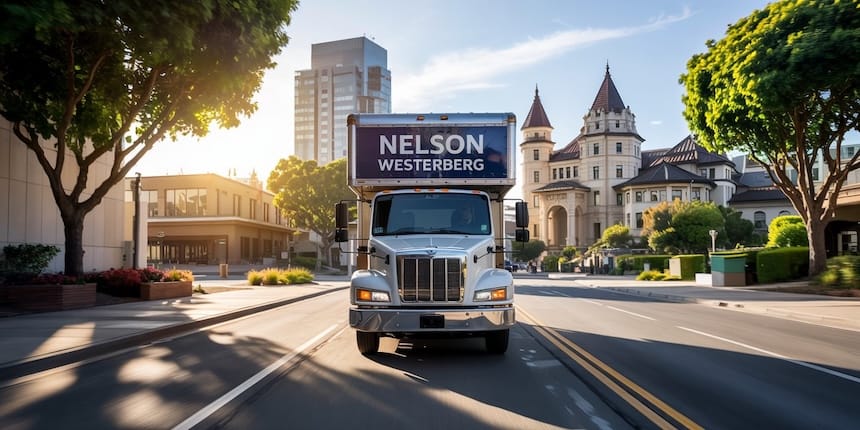
Silicon Valley’s crown jewel beckons with unprecedented opportunities in technology, innovation, and cultural diversity. San Jose’s transformation from pastoral valley to global tech epicenter exemplifies California’s pioneering spirit, while preserving Mediterranean charm and rich cultural heritage in America’s third-largest city.
The city’s magnetic pull extends far beyond its technological prowess. World-class universities neighbor Fortune 500 headquarters, while year-round sunshine illuminates a dynamic blend of diverse neighborhoods, each offering distinct lifestyle advantages for newcomers.
This energetic environment has created an ecosystem where innovation thrives alongside established communities, attracting ambitious professionals and families seeking their next chapter in the Bay Area’s largest metropolis.
The journey to establishing roots in San Jose requires careful navigation of its distinctive geography. The city’s housing market commands attention with median home prices exceeding $1 million, reflecting the region’s economic vitality and competitive spirit.
Beyond housing considerations, successful relocation hinges on understanding San Jose’s neighborhood characteristics, local culture, and economic landscape.
From the tree-lined streets of Willow Glen to the innovative pulse of West San Jose, each district offers distinct advantages for different lifestyles and priorities. This detailed study of San Jose will equip you with essential insights for making informed decisions about joining Silicon Valley’s evolving community.
Why People Are Moving To San Jose
San Jose’s evolution from agricultural hub to global technology center has created an exceptional destination that attracts newcomers worldwide. This transformation reflects a carefully cultivated balance of professional opportunities, cultural richness, and superior quality of life.
Tech Industry Opportunities
San Jose epitomizes Silicon Valley’s technological terrain, presenting a tech ecosystem that remains uniquely unparalleled across global markets. As home to numerous Fortune 500 headquarters, the city provides exceptional career advancement paths across established tech giants, emerging startups, and innovative ventures.
The competitive environment has fostered a job market where robust benefits packages, professional development programs, and performance-based advancement have become standard practices.
Cultural Diversity and Innovation
- Diverse neighborhoods showcase global influences in architecture, community spaces, and local businesses
- World-class restaurants and markets reflect culinary traditions from across the globe
- Year-round cultural festivals celebrate the city’s multicultural heritage
- Art galleries, museums, and performance venues highlight both traditional and contemporary works
The interplay of cultures creates an environment where innovation naturally emerges from the cross-pollination of ideas and perspectives, strengthening San Jose’s position as a global innovation hub.
Mediterranean Climate Appeal
San Jose’s Mediterranean climate delivers the perfect balance of seasonal variation without extremes:
- Mild winters that rarely require heavy winter gear
- Warm, dry summers ideal for outdoor activities
- Clear skies and abundant sunshine throughout the year
- Perfect conditions for hiking, cycling, and outdoor dining
This climate supports an active lifestyle while minimizing weather-related disruptions to daily life and commuting.
Educational Excellence
San Jose’s educational terrain serves as a cornerstone for personal and professional growth:
- Top-ranked public and private K-12 schools
- Prestigious universities and research institutions
- Specialized technical training centers
- Extensive continuing education programs
- Innovation-focused research facilities
The city’s academic environment creates opportunities for lifelong learning, supporting both traditional students and professionals seeking to advance their careers or explore new fields.
These compelling advantages have established San Jose as a premier destination where diverse communities thrive. The city continues to progress, maintaining its position as a global leader in innovation while preserving the quality of life that makes it an exceptional place to call home.
Essential Pre-Move Planning
Success in relocating to San Jose demands precise preparation and strategic planning. Preparing for a move requires understanding the city’s unique requirements, climate patterns, and moving regulations to create the foundation for a seamless transition to your new home in Silicon Valley.
Optimal Moving Timeline
San Jose’s Mediterranean climate influences ideal moving conditions throughout the year. Creating an effective moving timeline begins at least three months before your intended move date to:
- Conduct thorough housing searches
- Schedule reputable moving services
- Complete the necessary documentation
- Set up utilities and services
- Plan transportation logistics
Tech industry hiring cycles heavily influence peak moving seasons in Silicon Valley. Securing professional movers becomes particularly challenging during these high-demand periods, making early reservations essential.
Required Documentation
Organizing essential documentation streamlines your San Jose relocation process. Besides updating your address after moving, keep these critical documents readily accessible:
- Government-issued identification
- Proof of income statements
- Rental or purchase agreements
- Employment verification papers
- Banking and financial records
- Insurance documentation
Tech professionals should maintain digital and physical copies of offer letters and employment contracts. These documents prove invaluable when exploring San Jose’s competitive housing market, from securing premium apartments to establishing local services.
Local Regulations and Permits
San Jose enforces specific guidelines for moving vehicles and residential relocations. Large moving trucks often require special permits in certain neighborhoods, while many areas enforce strict parking restrictions.
Multi-story buildings typically mandate elevator reservations and specific moving time slots. Planned communities and apartment complexes maintain additional moving day protocols that require advance coordination.
Climate Considerations For Moving
San Jose’s weather patterns significantly impact moving conditions. While the region boasts mild temperatures year-round, summer heat waves can affect both comfort and belongings. The area’s dry climate minimizes rain delays but creates specific challenges:
- Static electricity risks for electronics
- UV exposure to furniture and belongings
- Temperature sensitivity for specific items
- Dehydration risks during physical activity
Schedule early morning or evening moves during warmer months to protect temperature-sensitive items and ensure crew comfort. Proper equipment and protective materials become essential in managing these environmental factors effectively.
A methodical approach to these essential preparations minimizes stress and establishes the groundwork for a successful Silicon Valley transition. Each element of pre-move planning contributes to a well-organized relocation experience, setting the stage for your new chapter in San Jose.
San Jose Housing Guide
Exploring San Jose’s housing market requires strategic insight into its distinctive characteristics. As Silicon Valley’s largest city, San Jose blends technological innovation with residential diversity, creating a distinctive real estate terrain that serves both established tech professionals and newcomers alike.
Understanding the complexities of moving from one house to another is essential in this dynamic market.
Current Market Analysis
San Jose stands among the nation’s most competitive real estate markets, with median home prices surpassing $1 million. The city’s robust tech economy drives property values, while limited housing inventory intensifies market competition.
Tech industry growth continues to shape housing demand, particularly in neighborhoods adjacent to major employment centers.
Rental Vs Buying Comparison
The rent-versus-buy decision in San Jose requires careful financial planning. While monthly mortgages typically exceed rental rates, property ownership builds equity in this appreciating market. The rental terrain demands substantial income:
- Singles need approximately $68,400 annually for a comfortable living
- Families of four require around $167,300 yearly
- Housing costs consume a significant portion of monthly income
- Market appreciation often offsets higher initial ownership costs
Popular Housing Types
San Jose’s residential options span diverse architectural styles and living arrangements:
- Single-family homes dominate established neighborhoods
- Modern condominiums cluster near tech corridors
- Historic Victorian houses add character to older districts
- Multi-unit developments address density requirements
- Contemporary apartment complexes offer amenity-rich living
Neighborhood Selection Criteria
Successful neighborhood selection in San Jose hinges on several critical factors:
- Proximity to tech campuses and employment hubs
- Public transportation accessibility
- School district performance ratings
- Local amenity availability
- Mediterranean climate influences on outdoor spaces
- Community character and cultural offerings
- Walkability scores vary significantly by area
San Jose’s housing market rewards thorough research and patient decision-making. The interplay of tech industry growth, limited inventory, and diverse neighborhood characteristics creates a complex yet opportunity-rich environment for prospective residents.
Top Neighborhoods In San Jose
San Jose’s neighborhoods reflect the city’s remarkable transformation from agricultural powerhouse to global tech hub. Each district maintains its distinctive identity while offering unique living experiences that cater to diverse lifestyles and preferences.
West San Jose Highlights
West San Jose epitomizes the perfect balance of suburban comfort and urban accessibility. Tree-canopied streets and precisely maintained parks define this family-friendly area. The neighborhood’s strategic location near major tech campuses significantly reduces commute times for professionals.
Key features:
- A mix of traditional single-family homes and contemporary developments
- Highly-rated school districts
- Well-planned shopping centers and retail spaces
- Established community parks and recreation areas
Willow Glen Features
Willow Glen captures the essence of small-town charm within San Jose’s urban environment. The historic Lincoln Avenue serves as the neighborhood’s energetic backbone, lined with distinctive local businesses and eateries.
Notable characteristics:
- Preserved Victorian-era architecture
- Walkable downtown district
- Thriving independent boutiques and cafes
- Year-round farmers’ markets
- Active community events calendar
Rose Garden Characteristics
Named after the celebrated Municipal Rose Garden, this prestigious neighborhood showcases San Jose’s rich architectural heritage. Stately historic homes and tree-lined boulevards create an atmosphere of timeless elegance.
District highlights:
- Preserved historic residences
- Premium location with downtown access
- Mature landscaping throughout
- Strong community engagement
- Architectural relevance
- Peaceful suburban environment
Campbell Area Benefits
Campbell combines residential tranquility with lively urban amenities. The area’s downtown hub pulses with activity, hosting popular weekly farmers’ markets and diverse entertainment options.
Area advantages:
- Varied housing options from apartments to traditional homes
- Energetic downtown scene
- Extensive dining and shopping choices
- Strategic location near major transportation routes
- Distinct community identity
- Regular cultural events and activities
These neighborhoods represent San Jose’s smooth merging of innovation and tradition. Each district offers unique living experiences while maintaining convenient access to Silicon Valley’s opportunities.
The distinct character of these areas, paired with their strategic locations and robust amenities, continues to draw residents seeking their ideal community within this thriving metropolis.
Financial Planning For Your Move
Understanding the financial outcomes of relocating to San Jose requires precise planning, particularly given the city’s unique position as a technology hub. When budgeting to move out, the region’s economic environment influences everything from housing costs to daily expenses, making detailed financial preparation crucial for a successful move.
Moving Cost Breakdown
- Full-Service Professional Movers
- Total door-to-door solutions, where you may need to consider tipping movers
- Higher cost tier but includes labor, equipment, and expertise
- Additional services like packing and unpacking available
- Rental Truck Options
- Most economical choice for DIY moves
- Requires personal time and physical effort
- Best suited for flexible schedules and smaller households
- Portable Storage Containers
- Middle-ground solution balancing cost and convenience
- Flexible loading and unloading timeframes
- Ideal for staged moves or temporary storage needs
Essential budget considerations include packing materials, moving insurance, specialty item handling, and potential short-term storage requirements. To better prepare, you can calculate your moving costs based on your specific needs.
Living Expense Calculator
San Jose’s cost structure reflects its status as a premier tech destination. Housing dominates monthly expenses, with median home prices surpassing $1 million. Rental rates consistently track well above national averages, setting the tone for overall living costs.
Key monthly expenses include:
- Utilities (electricity, water, internet)
- Transportation (public transit or vehicle expenses)
- Groceries and dining
- Healthcare premiums and out-of-pocket costs
- Local sales tax of 8.875% on purchases
Salary Requirements
The substantial cost of living in San Jose necessitates strong income levels. Single residents require approximately $68,400 annually for comfortable living, while families of four need around $167,300. Tech sector compensation typically aligns with these thresholds, but securing appropriate employment before relocating proves essential for financial stability.
Tax Considerations
San Jose’s tax environment significantly impacts household finances:
- Local sales tax: 8.875%
- California state income tax: Among the highest nationwide
- Property taxes: Regulated by Proposition 13
- Additional municipal fees and assessments
Understanding these tax obligations enables precise financial forecasting and supports effective long-term planning.
Silicon Valley’s capital offers unique financial characteristics. While living costs present significant considerations, the robust technology job market and exceptional career advancement opportunities can offset these expenses. Success in San Jose stems from detailed financial planning coupled with realistic expectations about the region’s cost structure.
Transportation And Commuting
San Jose’s transportation infrastructure combines efficient public transit, major highways, and alternative mobility options to serve its diverse population. While rush hour congestion remains a reality, the city’s well-planned transportation network provides residents with multiple commuting choices to match their lifestyle needs.
Public Transit Options
The Valley Transportation Authority (VTA) operates an integrated network of light rail and bus services that forms the cornerstone of San Jose’s public transportation system. The light rail network efficiently connects key destinations:
- Major business districts and tech campuses
- Dense residential neighborhoods
- Popular entertainment venues
- Shopping centers and cultural attractions
VTA’s extensive bus system complements rail services by providing complete coverage across San Jose and neighboring municipalities, creating a seamless transit experience for daily commuters.
Major Highway Systems
San Jose’s strategic highway network serves as an essential connector through Silicon Valley. Key routes include:
- Interstate 280: Primary north-south corridor
- Highway 101: Essential connection to regional tech hubs
- Interstate 880: Critical access to East Bay communities
Peak congestion typically aligns with tech industry working hours, particularly from 7-9 AM and 4-6 PM. Experienced commuters often find their way through these challenges by selecting strategic departure times and well-planned alternate routes.
Bike-Friendly Routes
San Jose demonstrates its commitment to sustainable transportation through an expanding network of cycling infrastructure. The city’s bike-friendly features include:
- Protected bike lanes in high-traffic areas
- Connected trail systems linking neighborhoods
- Secure bike parking at transit stations
- Dedicated cycling paths in business districts
This robust cycling network makes bike commuting practical for many residents, particularly those traveling distances under five miles.
Airport Accessibility
Norman Y. Mineta San Jose International Airport’s central location offers exceptional convenience for travelers. The airport’s coordination with local transportation includes:
- Direct VTA light rail connections
- Regular bus service from multiple city points
- Quick highway access via 101 and 880
- Short ride-share trips from downtown
This strategic positioning makes the airport remarkably accessible for both business travelers and tourists, typically requiring less than 15 minutes from downtown San Jose.
San Jose’s transportation ecosystem supports various commuting preferences while promoting environmental sustainability.
From traditional car commutes to cycling and public transit options, residents can customize their daily transportation choices based on schedule, distance, and personal preference. Regular assessment of commute patterns helps optimize travel time and reduce transportation expenses.
Lifestyle And Entertainment
San Jose combines Silicon Valley innovation with rich cultural traditions, creating an energetic urban experience shaped by its Mediterranean climate and diverse community. The city pulses with energy year-round, offering residents an exceptional quality of life that seamlessly blends work and leisure.
Cultural Attractions
The Tech Interactive anchors San Jose’s museum district, showcasing cutting-edge innovations that reflect the region’s technological leadership. Art enthusiasts gravitate to the San Jose Museum of Art‘s rotating exhibitions of contemporary works, while history buffs explore the city’s preserved historic districts.
These architectural gems tell the compelling story of San Jose’s transformation from agricultural heartland to global tech pioneer.
Outdoor Recreation
- Extensive network of urban trails and parks
- Santa Cruz Mountains access for hiking and mountain biking
- Year-round outdoor fitness opportunities
- Community recreation centers and sports facilities
- Protected natural areas for wildlife viewing
The city’s mild climate invites outdoor exploration across all seasons. From challenging mountain trails to serene neighborhood parks, San Jose’s outdoor spaces accommodate every activity level and interest.
Food Scene Highlights
San Jose’s dining terrain delivers an authentic taste of global cuisine, particularly excelling in Asian and Mexican offerings. Local chefs craft innovative combined dishes while maintaining cultural authenticity. The city’s farmers’ markets operate year-round, featuring:
- Fresh California produce
- Artisanal food products
- Local wine selections
- Organic specialty items
- Seasonal harvest celebrations
Sports And Entertainment
The SAP Center, home to NHL’s San Jose Sharks, stands as the city’s premier sports and entertainment venue. Beyond professional hockey, the arena hosts major concerts and events throughout the year. The surrounding entertainment district features:
- Live music venues
- Independent theaters
- Comedy clubs
- Cultural festivals
- Community celebrations
San Jose’s lifestyle scene creates natural opportunities for community connection while celebrating individual interests. Whether pursuing outdoor adventures, exploring culinary innovations, or enjoying cultural performances, residents find countless ways to engage with their city and each other.
Practical Moving Tips
Relocating to San Jose requires careful planning and strategic decision-making. The energetic tech hub of Silicon Valley demands a well-organized approach to ensure a seamless transition while managing costs effectively.
Moving Service Options
Understanding the various types of moving services is essential when relocating to San Jose. When finding the best movers, consider these three distinct moving solutions that serve different needs. Professional home moving services offer varying levels of assistance:
Full-service Moving Companies
- Total end-to-end solutions
- Professional packing, loading, and transportation
- Ideal for busy professionals valuing convenience
- Higher cost reflects a complete service package
DIY Truck Rentals
- Most economical option
- Complete control over packing and timing
- Requires significant physical effort
- Best for those with moving experience
Portable Storage Containers
- Flexible loading and unloading timeframes
- Middle-ground pricing
- Self-paced packing options
- Convenient temporary storage solution
Cost-Saving Strategies
Smart financial planning helps manage San Jose’s competitive moving market. Book services during off-peak seasons (October-April) to secure better rates. Implement a systematic decluttering process before packing to reduce transportation costs.
Cost-reduction techniques:
- Source free packing materials from local retailers
- Organize a pre-move sale or donation drive
- Research and obtain necessary local permits early
- Compare multiple moving quotes
- Pack similar items together to maximize space
Packing Guidelines
Following the best packing tips when moving is crucial in Silicon Valley’s tech-focused environment, which demands extra attention to electronics protection. Use specialized packing materials for sensitive equipment and valuable items. Create a detailed inventory system with these essential elements:
- Clear room-by-room labeling
- Content categorization
- Priority markings for immediate-need items
- Special handling instructions
- Digital photos of valuable items
Timeline Organization
Begin your moving preparation eight weeks before the target date. Critical tasks include:
Week 8-7:
- Research and book moving services
- Obtain necessary permits
- Begin the decluttering process
Week 6-5:
- Start room-by-room packing
- Organize important documents
- Schedule utility transfers
Week 4-2:
- Pack non-essential items
- Label boxes systematically
- Confirm moving day logistics
Week 1:
- Pack everyday essentials
- Prepare high-value items
- Create a moving day schedule accounting for local traffic patterns
Success in relocating to San Jose stems from thorough preparation balanced with adaptability. Strategic service selection, smart cost management, proper packing techniques, and organized scheduling transform a potentially stressful move into a manageable transition.
Frequently Asked Questions
What salary is needed to live comfortably in San Jose?
A single person requires an annual income of $68,400 to maintain a comfortable lifestyle in San Jose. Families face steeper requirements, with a household of four needing approximately $167,300 yearly.
These figures capture key expenses like housing, utilities, and transportation within Silicon Valley‘s shifting market. Living costs continue to reflect the region’s robust tech economy and competitive terrain.
Which San Jose neighborhoods are safest for families?
West San Jose, Willow Glen, and Rose Garden stand out as premier family-friendly neighborhoods, featuring well-lit streets and strong community involvement. These established areas offer direct access to top-rated schools and maintain consistently low crime rates.
The Alameda and Campbell regions provide equally secure environments, boasting extensive park systems, recreational facilities, and active neighborhood watch programs.
How does San Jose’s cost of living compare to other Bay Area cities?
San Jose presents a relatively more attainable cost structure compared to San Francisco and various Peninsula cities, despite significantly exceeding national averages. The housing market reflects Silicon Valley‘s premium status, with median home prices surpassing $1 million.
The city’s 8.875% sales tax rate aligns with regional standards, while residents benefit from extensive public amenities, cultural attractions, and career opportunities characteristic of the Bay Area.
What are the best schools in San Jose?
San Jose‘s educational terrain features exceptional public and private institutions, particularly in West San Jose and Almaden Valley. These districts demonstrate outstanding academic achievement metrics and specialized STEM programming that reflects the area’s tech-centric culture.
School quality varies significantly by district, making neighborhood-specific research essential for families. Key factors to consider include:
Academic performance ratings
- Specialized programs and extracurricular activities
Student-to-teacher ratios
- Technology adoption in classrooms
- College preparation resources
How can I reduce my moving costs to San Jose?
Smart planning can significantly reduce relocation expenses to San Jose. Consider these cost-saving strategies:
- Schedule moves during off-peak seasons (October-April)
- Compare multiple moving service quotes
- Explore DIY options with rental trucks for maximum savings
- Consider portable storage containers as a mid-range solution
- Declutter before packing to reduce volume
- Source free packing materials from local businesses
- Create a detailed moving timeline to avoid rush fees
- Pack strategically to maximize space efficiency
- Book services early for better rates
Conclusion
Relocating to San Jose places you at the epicenter of Silicon Valley‘s innovation terrain. The city masterfully blends lucrative tech sector opportunities with a Mediterranean climate and engaging multicultural atmosphere, creating an environment where professionals and families thrive.
While housing costs surpass $1 million for median homes and demand substantial income levels, San Jose’s robust job market and exceptional quality of life deliver compelling value for newcomers.
Making your San Jose transition successful requires strategic preparation. Each neighborhood offers distinct advantages:
- West San Jose provides tree-lined streets and family-centric communities
- Downtown pulses with urban energy and cultural attractions
- North San Jose attracts tech professionals with corporate campuses
- East San Jose celebrates diversity through local markets and authentic cuisine
The city’s advanced mobility systems help residents move through daily life efficiently. The VTA light rail network, combined with extensive bicycle corridors, provides viable alternatives to driving. These transit options prove especially valuable during peak commute periods when traffic congestion peaks.
San Jose’s evolution from agricultural heartland to global tech capital has produced a unique metropolitan identity. This transformation preserves cherished traditions while embracing innovation, offering residents both established community connections and cutting-edge opportunities.
The city’s distinctive blend of career potential, lifestyle amenities, and varied neighborhoods creates an environment where ambitious professionals and growing families can establish strong connections and flourish in California‘s innovative tech center.
Related Articles
New York City vs. Austin (2026): What Your Paycheck Really Buys
Few city comparisons produce a gap as wide as New York City versus Austin. By one widely cited 2026 estimate, it takes roughly $11,500 a month in New York to sustain the same standard of living that $6,900 buys in Austin — a difference so large it reshapes not just a budget but a life. […]
Read MoreChicago vs. Charlotte (2026): The Queen City at a Fraction of the Cost
For a Chicago household weighing a move south, Charlotte presents an unusually clean comparison: a real city, with a genuine corporate economy and four mild seasons, at a fraction of Chicago’s cost — and, most strikingly, a fraction of its property-tax burden. A Chicago homeowner paying the metro’s effective property-tax rate near 1.98% on a […]
Read More

Table of Contents

Atlas Van Lines, Inc. U.S. DOT No. 125550 (TM & © 2026 AWGI LLC.) | G.P.S.C. 4917 | IL C.C. 4246 | NJPC 00104 | Cal-T 110193
© 2026 Nelson Westerberg, Inc. All Rights Reserved Worldwide.