Denver Relocation Guide: The Ultimate Moving to Denver Guide for 2026

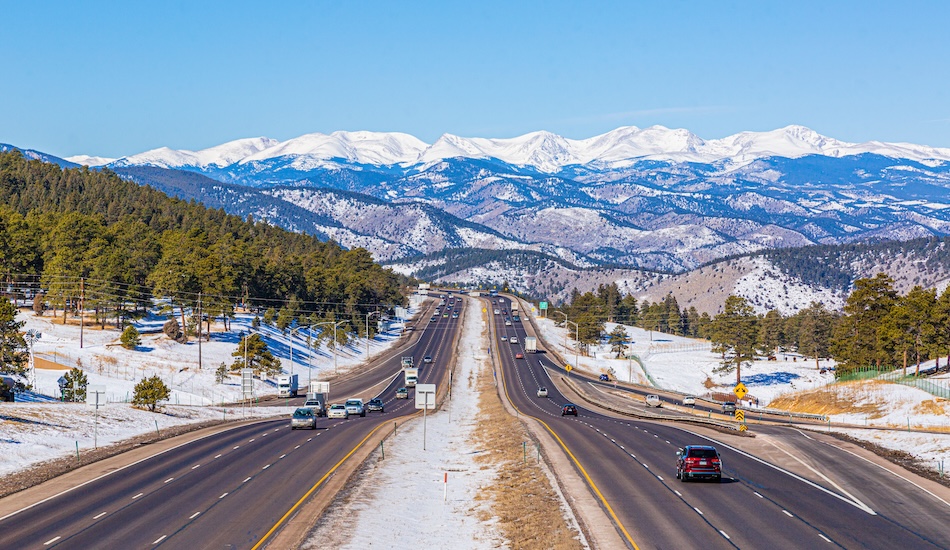
Mile-high living beckons with boundless opportunities in Denver, where snow-capped peaks frame a bustling cityscape of progress and exploration. This thriving metropolis has evolved from a frontier town into a vibrant cultural hub, attracting thousands of newcomers each year with its engaging mix of urban vitality and outdoor experiences.
Denver’s vibrant cityscape encompasses 80 distinct neighborhoods, each with its own character reflected in tree-lined streets, historic architecture, and modern developments. From the artistic pulse of RiNo to the family-friendly charm of Washington Park, these diverse communities offer something for every lifestyle and budget.
The city’s current median home price of $600,000 reflects its desirability, while its expanding job market and cultural scene continue attracting professionals, families, and adventure seekers alike.
At Nelson Westerberg, our 110 years of moving expertise has taught us that relocating to Denver requires more than just packing boxes – it’s about embracing a new altitude and attitude.
We’ve created a useful summary to assist you with your move to Denver, including finding the perfect area and adapting to the high elevation. Our insider knowledge covers essential details about transportation options, seasonal considerations, and local customs that will help transform your relocation into an exciting new chapter.
Pre-Move Planning For Denver
Successful relocation to Denver starts with thorough preparation and strategic timing. Our extensive experience helping families and individuals move to the Mile High City has shown that careful planning leads to smoother transitions.
Best Times to Move to Denver
Denver’s moving calendar offers distinct advantages throughout the year. Summer months (June through August) provide predictable weather but come with premium pricing and limited availability.
For the best balance of favorable weather and reasonable rates, target the shoulder seasons – April to May or September to October. While winter moves offer the lowest rates, they require additional preparation to handle potential snow and ice conditions.
Creating Your Moving Budget
Denver’s cost of living sits 11% above the national average, making careful budget planning essential. Account for these key expenses:
- Moving services or truck rental costs
- Housing deposits and first month’s rent ($2,090 average)
- Vehicle registration and transportation fees
- Utility setup costs and deposits
- Emergency fund allocation (15% of total budget recommended)
Essential Documents and Records
Organize these important documents well before your moving day:
- Government-issued ID and Social Security cards
- Birth certificates and current passport
- Complete medical and dental records
- Academic transcripts and diplomas
- Vehicle documentation (registration and insurance)
- Recent tax returns and employment records
- Professional certifications and licenses
Setting Up Utilities and Services
Begin your utility setup process two weeks before moving day. Here’s what you’ll need to arrange:
- Electricity and gas service through Xcel Energy
- Water service with Denver Water
- Internet and cable installation
- Trash and recycling through Denver’s Solid Waste Management
- USPS address change notification
- Voter registration update
Most Denver utility providers offer convenient online account management systems for easy bill tracking and payment. Keep detailed records of all service confirmations and account numbers for quick reference during your transition period.
Choosing Your Perfect Denver Location
Exploring the neighborhoods of Denver presents an array of appealing choices. With over 80 distinct neighborhoods across nine regions, the city offers everything from energetic urban centers to serene suburban communities.
Popular Neighborhoods For Young Professionals
Denver’s most lively and appealing areas naturally attract young professionals seeking an active lifestyle. Here’s what makes these neighborhoods stand out:
- Lower Downtown Denver (LoDo)
- Historic architecture meets modern amenities
- Walkable streets lined with boutiques and cafes
- Prime location for entertainment and nightlife
- River North Art District (RiNo)
- Thriving creative community
- Abundant craft breweries
- Innovative dining scene
- Unique street art and galleries
Capitol Hill and Five Points deliver an authentic urban experience with character and charm. These neighborhoods integrate cultural attractions with accessible housing options, fostering an ideal environment for young professionals to thrive.
Family-Friendly Communities
Denver’s family-oriented neighborhoods prioritize safety, education, and outdoor activities. Central Park (formerly Stapleton) showcases modern community planning with:
- Award-winning schools
- Extensive parks and recreation areas
- Family-focused events and activities
- Safe, walkable streets
Sloan’s Lake offers established neighborhood charm featuring:
- Denver’s largest body of water
- Spacious lakeside park
- Strong community atmosphere
- Convenient downtown access
Suburban Living Options
Denver’s suburbs welcome residents seeking more space and tranquility. Centennial stands out for its:
- Top-rated safety record
- Excellent school districts
- Spacious residential lots
- Strong community programs
Glendale delivers suburban comfort with urban perks:
- Premium shopping destinations
- Entertainment venues
- Larger home options
- Ample parking availability
Up-And-Coming Areas
Smart home buyers and renters often discover exceptional value in Denver’s emerging neighborhoods. Hampden South showcases:
- New residential developments
- Growing commercial districts
- Modern amenities
- Competitive property values
North Capitol Hill demonstrates promising growth through:
- New restaurant openings
- Boutique shopping options
- Modern residential projects
- Community improvements
Transportation convenience plays a crucial role in neighborhood selection. Denver’s extensive network includes over 200 miles of bike lanes and a variety of public transit options to meet your needs. Many central neighborhood residents enjoy a car-free lifestyle, while the city’s average 25.7-minute commute remains competitive with other major metropolitan areas.
Denver’s Cost Of Living Breakdown
Understanding Denver’s cost of living helps you plan a successful move and maintain financial stability in your new home. Denver’s overall cost of living is 11% above the national average, making thoughtful budget planning essential for a smooth transition.
Housing Costs And Market Trends
Housing represents the largest expense for Denver residents, with median home sale prices around $600,000 in the competitive real estate market. Average monthly rent sits at approximately $2,090, though rates vary by:
- Location and neighborhood
- Property size and type
- Building amenities
- Property age and condition
Utility costs fluctuate with Denver’s seasonal climate changes, requiring additional budget consideration. Partnering with experienced local real estate professionals often leads to better housing values, particularly in emerging neighborhoods.
Daily Living Expenses
Denver’s daily expenses require strategic budgeting for comfortable living. While grocery costs mirror national averages, dining and entertainment in popular districts like LoDo and RiNo tend to command premium prices. The city offers numerous cost-effective lifestyle options:
- Free hiking trails and parks
- Public recreation centers
- Community events and festivals
- Seasonal outdoor activities
Many residents offset higher urban costs by embracing Denver’s outdoor recreation culture, though setting aside funds for quality outdoor gear proves worthwhile for year-round enjoyment.
Transportation Costs
Denver offers diverse transportation options to suit various budgets and lifestyles. The Regional Transport District (RTD) provides extensive coverage through:
- Bus routes throughout the metro area
- Light-rail connections
- Flexible pass options
- Park-and-ride facilities
While many residents have personal vehicles, the city’s extensive bike network offers an affordable option. Well-maintained bike lanes and trails make car-free commuting viable for many neighborhoods.
Healthcare And Insurance
Healthcare expenses in Denver typically match those of similar metropolitan areas, with insurance premiums varying by provider and coverage level. The city’s elevation and active culture may influence specific healthcare needs. Essential considerations include:
- Researching local healthcare networks
- Comparing insurance providers
- Understanding altitude-related health factors
- Evaluating employer healthcare packages
- Exploring Colorado’s health insurance marketplace options
Denver’s higher living costs are often balanced by robust employment opportunities and exceptional quality of life benefits. Success in the Mile High City comes from careful financial planning across all expense categories, creating a sustainable budget that supports your desired lifestyle.
Local Moving In Denver (within Colorado)
Moving within Denver combines excitement with unique challenges that require thoughtful planning. Whether you’re relocating to a new neighborhood or just a few blocks away, understanding Denver’s specific requirements will help create a seamless moving experience.
For additional insights, check out this Colorado relocation guide, which offers a broader perspective.
Parking Permits And Regulations
Denver’s parking regulations require careful attention, especially in busy urban areas like Capitol Hill and LoDo. Here’s what you need to know:
- Contact Denver Public Works at least 72 hours before moving day
- Request necessary parking permits for your moving truck
- Review neighborhood-specific time restrictions
- Ensure adequate space for safe loading and unloading
Building Requirements
Many Denver buildings maintain strict moving protocols to protect their facilities and residents:
- Schedule your move with building management in advance
- Reserve service elevators if required
- Verify requirements for protective materials (elevator padding, floor protection)
- Obtain approval for designated loading areas
- Confirm specific time windows allowed for moving activities
Local Moving Companies
Nelson Westerberg brings over 110 years of moving experience to the Denver region. Our offerings include:
- Professional packing and unpacking
- Secure transportation
- Flexible storage solutions
- Full insurance coverage
- Expert navigation of Denver’s diverse neighborhoods
As trusted home movers, our local team understands the challenges of moving through historic districts, modern developments, and everything in between. We prioritize the safe handling of your belongings while maintaining full compliance with city regulations.
DIY Moving Tips
Successfully managing a self-move in Denver requires strategic planning and local knowledge:
Weather Considerations:
- Plan around summer afternoon thunderstorms
- Check weather forecasts for your moving day
- Keep weather-appropriate supplies handy
Timing Strategies:
- Avoid rush hours (7-9 AM and 4-6 PM)
- Schedule moves during off-peak times
- Allow extra time for elevation adjustment
Essential Preparations:
- Pack an altitude kit with water and sunscreen
- Use sturdy boxes suitable for Denver’s terrain
- Ensure proper padding for belongings
- Label boxes clearly for efficient unpacking
A successful move in the Mile High City depends on thorough preparation and local expertise. Whether choosing professional assistance or managing your own move, these Denver-specific considerations will help ensure a smooth transition to your new home.
Interstate Moving To Denver
Relocating to Denver from another state requires thorough planning and careful consideration. The Mile High City offers unique opportunities and challenges, making preparation essential for a successful interstate moving experience.
Long-Distance Moving Companies
Selecting a reputable moving company is the foundation of a successful long-distance moving process to Denver. Nelson Westerberg brings over a century of experience since 1904, with proven expertise in complex long-distance relocations.
Key advantages of our services include:
- Professional packing and custom crating
- Secure transportation with advanced tracking systems
- FIDI/FAIM certified operations
- Partnerships with over 200 companies, including Fortune 100 corporations
- Dedicated move coordination team
Cross-Country Moving Timeline
A well-planned interstate move to Denver typically requires 8-12 weeks of preparation. Here’s a strategic timeline to ensure a smooth transition:
8-12 Weeks Before:
- Request and compare moving quotes
- Book your preferred moving company
- Begin initial home inventory
6 Weeks Before:
- Sort and declutter belongings
- Start collecting packing materials
- Research Denver neighborhoods
4 Weeks Before:
- Begin packing non-essential items
- Submit change of address forms
- Schedule utility transfers
2 Weeks Before:
- Pack essential items
- Confirm moving dates and details
- Prepare important documents
Climate Considerations
Denver’s distinct climate demands special attention during your moving process. The city’s 300 days of sunshine and dramatic temperature variations require careful planning for your belongings.
Essential climate considerations include:
- Protection for temperature-sensitive electronics
- Special packing for artwork and wooden furniture
- Climate-controlled transport options
- Altitude adjustment preparations
- Weather-resistant packing materials
Vehicle Transportation
Moving your vehicle to Denver requires strategic planning and professional coordination. We offer both enclosed and open-air transport options to match your needs and budget.
Important vehicle moving considerations:
- Choice between enclosed or open-air transport
- Seasonal weather protection during transit
- 90-day vehicle registration requirement after establishing residency
- Coordinated delivery timing with household goods
- Pre-move vehicle inspection documentation
Each transport option offers extensive insurance coverage and live tracking features, helping ensure your vehicle arrives at your new Denver home securely.
Denver Relocation Services and Resources
Moving to a new city can be overwhelming, but Denver offers numerous resources to make your relocation smoother. From professional relocation assistance to government resources, understanding what’s available can save you time, money, and stress during your move to the Mile High City. This comprehensive overview will help you navigate the various relocation services and connect you with essential resources to facilitate your transition to Denver.
Professional relocation services in Denver cater to various needs and budgets. Full-service relocation companies offer comprehensive packages that handle everything from home-finding assistance and school selection to neighborhood tours and cultural orientation. These services are particularly valuable for corporate relocations or those moving from out-of-state who need insider knowledge of Denver’s diverse neighborhoods and lifestyle options. Companies like Denver Relocation Inc., Colorado Relocation Services, and national providers with local expertise offer customized packages ranging from basic consultation to complete relocation management.
Government and community resources also play a crucial role in helping new residents settle in. The City of Denver’s official website provides dedicated sections for new residents with information on everything from obtaining permits to recycling guidelines. The Denver Public Library system offers newcomer programs and resources to help you learn about the city’s history, culture, and community events. Additionally, neighborhood associations throughout Denver provide hyperlocal information and networking opportunities that can help you quickly feel at home in your new community.
Relocation Packages and Services
Professional relocation packages in Denver typically include several key services to ease your transition. Home-finding assistance helps you identify suitable neighborhoods and properties based on your preferences, budget, and commute requirements. Many services offer personalized neighborhood tours that go beyond what you might see in a typical real estate showing, highlighting local amenities, community gathering spots, and the general vibe of different areas.
School search assistance is particularly valuable for families, with relocation specialists helping navigate Denver’s diverse educational landscape, including public, private, charter, and magnet options. Some services also offer spouse/partner career assistance, recognizing that dual-career families face unique challenges when relocating. This might include job market information, networking opportunities, or connections to professional organizations in the Denver area.
For international relocations, specialized services provide visa and immigration assistance, cultural adaptation support, and language resources. These comprehensive packages typically range from $1,500 for basic services to $10,000+ for executive-level relocation support, with many companies offering customizable options to fit specific needs and budgets.
DIY Relocation Resources
If professional relocation services aren’t in your budget, Denver offers abundant resources for self-guided relocation planning. The Denver Metro Chamber of Commerce provides newcomer information packets with essential details about neighborhoods, schools, healthcare facilities, and business opportunities. Their website features interactive maps and guides specifically designed for new residents looking to understand the city’s layout and resources.
Online communities like the Denver subreddit (/r/Denver) and neighborhood-specific Facebook groups offer real-time advice from current residents. These platforms are excellent for asking specific questions about everything from the best internet providers to neighborhood safety concerns or recommendations for local services. Many newcomers find these peer-to-peer resources invaluable for gathering honest, unfiltered information about life in different parts of the city.
Denver’s network of welcome centers provides in-person assistance for newcomers. The Visit Denver Tourist Information Center, while primarily aimed at tourists, offers resources valuable to new residents as well. Several neighborhood welcome centers throughout the city provide hyperlocal information and connections to community events and services. These centers often host newcomer meetups and orientation sessions that can help you build your social network while learning about your new home.
Corporate Relocation Support
Denver’s growing business landscape has created a robust ecosystem of corporate relocation support services. Many major employers in the Denver area offer relocation packages as part of their recruitment efforts, particularly for positions in the technology, healthcare, aerospace, and financial sectors. These corporate packages typically include moving expense reimbursement, temporary housing allowances, and assistance selling your previous home.
Human resources departments often partner with local relocation specialists to provide comprehensive support for new hires moving to Denver. These partnerships can give you access to services that might otherwise be costly, such as home-finding assistance, school selection support, and cultural orientation programs. If you’re relocating for work, be sure to inquire about the full range of relocation benefits your employer offers, as many companies provide more extensive support than what’s initially outlined in offer letters.
For entrepreneurs and remote workers relocating to Denver, coworking spaces like WeWork, Galvanize, and Industry often serve as valuable hubs for networking and integration into the local business community. Many of these spaces host newcomer events and provide resources specifically designed to help professionals connect with Denver’s business ecosystem. The Denver Economic Development Corporation also offers resources for business relocation, including market information, connection to talent pipelines, and potential incentive programs.
The comprehensive relocation resources available in Denver reflect the city’s welcoming attitude toward newcomers and its status as a growing destination for professionals and families from across the country. Whether you opt for full-service professional assistance or prefer to navigate your relocation independently, understanding these available resources can significantly ease your transition to life in the Mile High City.
Getting Around Denver
Exploring Denver’s transportation network offers various options to get around the city. With an average commute time of just 25.7 minutes and only 66% of residents driving, you’ll discover multiple efficient ways to explore Denver’s diverse neighborhoods.
Public Transportation System
Denver’s Regional Transport District (RTD) offers a wide-ranging transit system that links the entire metropolitan region. Key features include:
- Extensive bus routes covering residential and commercial areas
- Light-rail systems linking major districts
- Regular service schedules throughout the day
- Affordable fare options for daily commuters and occasional riders
The light rail system proves especially valuable for professionals and entertainment seekers, providing swift connections between residential communities, business centers, and popular venues.
Biking Infrastructure
Denver’s cycling infrastructure stands out with its impressive network of dedicated paths and lanes:
- 200+ miles of on-street bike lanes
- 80 miles of off-street trails
- Protected bike lanes in high-traffic areas
- Convenient bike-sharing programs throughout the city
Thanks to Denver’s abundant sunshine and mild climate, cycling serves as a practical year-round transportation option. The extensive trail network seamlessly connects neighborhoods and business districts, making your daily commute both enjoyable and efficient.
Walking-Friendly Areas
Denver’s pedestrian-friendly design shines in several key neighborhoods:
- LoDo (Lower Downtown)
- Capitol Hill
- Central Business District
These areas feature wide sidewalks, well-marked crosswalks, and numerous amenities within easy walking distance. The city’s intuitive grid layout makes navigation straightforward, while beautiful parks and public spaces create pleasant walking routes for both practical errands and leisure strolls.
Major Commute Routes
Denver’s strategic network of highways and arterial roads ensures smooth travel throughout the metropolitan area. Primary routes include:
- I-25: Main north-south corridor
- I-70: Primary east-west connection
- Major boulevards linking residential neighborhoods
- Alternative routes for peak traffic periods
Traffic patterns follow traditional rush hours during weekday mornings and evenings. By familiarizing yourself with these major thoroughfares and their typical patterns, you can optimize your daily commute and enjoy more efficient travel throughout the city.
Setting Up Your New Life
Establishing yourself in Denver requires completing several key administrative tasks to become an official resident. A smooth transition to the Mile High City starts with properly handling these essential responsibilities.
Colorado Driver’s License
New Denver residents must obtain a Colorado driver’s license within 90 days of establishing residency. Here’s what you’ll need:
- Valid proof of identity
- Proof of residency
- Current out-of-state license
- Payment for required fees
Plan to pass a written test on Colorado traffic laws and complete a vision test during your visit. Your first Colorado license will remain valid for five years. Pro tip: Schedule an appointment online through the Division of Motor Vehicles (DMV) website to minimize wait times.
Vehicle Registration
Bringing a vehicle to Denver? You’ll need to register it in Colorado within 90 days of becoming a resident. Complete these steps at your local county motor vehicle office:
- Present proof of insurance with your Colorado address
- Show proof of vehicle ownership
- Pass an emissions test (required for vehicles over seven years old)
- Pay registration fees
Registration fees vary based on your vehicle’s age, weight, and value. Remember to update your auto insurance with your new Colorado address before starting the registration process.
Voter Registration
Make your voice heard in your new community by registering to vote in Denver. The process is straightforward and offers multiple registration options:
- Online through the Secretary of State’s website
- In-person at your local DMV
- By mail
You’ll need a valid Colorado driver’s license or ID card and your social security number to complete the registration. Becoming a registered voter helps you stay connected with community issues and participate in local, state, and national elections.
School Enrollment
Denver Public Schools (DPS) offers diverse educational options for families with school-age children. The system includes traditional public schools, charter schools, and specialized magnet programs.
Essential enrollment requirements:
- Proof of residence
- Immunization records
- Birth certificates
The SchoolChoice enrollment window opens in January for the following school year. Take time to research schools in your neighborhood and schedule campus visits to find the perfect educational environment for your children.
Living In Denver
Life in the Mile High City offers a wide range of professional possibilities, excellent healthcare services, and engaging year-round pursuits. With its stunning mountain scenery and thriving city environment, Denver offers a welcoming invitation to those seeking new possibilities and adventures.
Job Market Overview
Denver’s growing economy attracts professionals across diverse fields, offering rewarding career prospects in:
- Technology and Innovation
- Aerospace Industries
- Healthcare Organizations
- Financial Services
- Renewable Energy
- Environmental Sciences
The city’s commitment to innovation has created a thriving ecosystem where both established corporations and ambitious startups flourish. This balanced mix provides excellent opportunities for career growth and professional development.
Healthcare Facilities
Denver’s expansive healthcare network provides high-quality medical facilities and specialized treatment centers throughout the metropolitan region. Notable institutions include:
- UCHealth University of Colorado Hospital
- Denver Health Medical Center
- Children’s Hospital Colorado
- National Jewish Health
Residents benefit from easy access to:
- Specialty Medical Clinics
- Modern Urgent Care Centers
- Thorough Health Practices
- Preventive Care Facilities
Recreation And Entertainment
Denver’s active cultural offerings and outdoor areas provide an excellent setting for both leisure and exploration. The city offers diverse entertainment options:
Cultural Attractions:
- River North Art District (RiNo) with galleries and street art
- Denver Art Museum
- Denver Botanic Gardens
- Historic Larimer Square
Active Lifestyle Features:
- 200+ miles of dedicated bike lanes
- 80 miles of urban trails
- Professional sports venues including Mile High Stadium and Ball Arena
- Public parks and recreation centers
Seasonal Activities
Denver’s changing weather patterns provide a variety of activities and experiences for visitors and residents alike across the seasons.
Summer Highlights:
- Outdoor concerts at Red Rocks Amphitheatre
- Local farmers’ markets
- Mountain hiking trails
- Festival season
Fall Features:
- Spectacular mountain foliage
- Great American Beer Festival
- Outdoor food festivals
- Mountain biking
Winter Activities:
- World-class skiing at nearby resorts
- Snowboarding destinations
- Winter sports events
- Holiday light displays
Spring Offerings:
- Baseball at Coors Field
- Washington Park flower gardens
- Mountain spring hiking
- Outdoor dining season
With 300 days of annual sunshine, Denver’s climate supports an active outdoor lifestyle year-round, making it an ideal destination for adventure seekers and nature enthusiasts alike.
Frequently Asked Questions
- How much money should I save before moving to Denver?
Planning your Denver move requires careful financial preparation. We recommend saving at least three months of living expenses, considering Denver’s cost of living is 11% above the national average.
Your savings should include $6,000-$8,000 for initial housing costs (first month’s rent, security deposit, and utilities). Factor in $2,000-$3,000 for moving expenses, plus emergency funds. With Denver’s average monthly rent at $2,090, aim to save $12,000-$15,000 for a comfortable transition.
- What are the best neighborhoods for remote workers in Denver?
Remote workers discover satisfaction in Denver’s varied neighborhoods, which provide a balanced combination of accessibility and lifestyle conveniences.
-
- Capitol Hill: Features abundant coffee shops and co-working spaces
- Five Points: Offers excellent internet infrastructure and cultural diversity
- Highlands: Provides a perfect mix of work and leisure opportunities
- Central Park: Ideal for those seeking quieter surroundings with reliable connectivity
- Sloan’s Lake: Perfect for balancing remote work with outdoor recreation
- Do I need a car to live comfortably in Denver?
Living without a car in Denver is entirely viable, thanks to the city’s broad array of transportation options. The Regional Transport District (RTD) provides extensive bus and light-rail coverage throughout the metropolitan area.
With over 200 miles of bike lanes, cycling serves as a practical year-round transportation option. While only 66% of residents commute by car, having one proves beneficial for mountain excursions and suburban living.
- How long does it take to adjust to Denver’s altitude?
Adapting to Denver’s 5,280-foot elevation typically takes 1-3 weeks. Follow these adjustment tips:
- Stay consistently hydrated
- Minimize alcohol consumption
- Begin with light physical activity
- Gradually increase exercise intensity
- Listen to your body’s signals
Most people experience mild symptoms like shortness of breath or fatigue initially. Individuals with current health issues should consult their healthcare professionals before moving to a new location.
- What’s the best way to find roommates in Denver?
Finding compatible roommates in Denver requires a strategic approach. Search established local housing groups on social media platforms and trusted roommate-matching websites. Popular areas like Capitol Hill, Five Points, and LoDo offer numerous shared housing opportunities. Essential safety steps include:
- Meeting potential roommates in public spaces
- Verifying employment status
- Discussing lifestyle preferences and schedules
- Checking references
- Establishing clear expectations about shared spaces and responsibilities
Conclusion
Moving to Denver opens the door to an exceptional lifestyle that seamlessly combines urban sophistication with outdoor adventure. The Mile High City presents both opportunities and initial adjustments, from a higher cost of living to altitude acclimation, yet offers remarkable benefits through its:
- Diverse, character-rich neighborhoods
- Robust public transportation network
- Robust job market across multiple industries
- Year-round outdoor recreational activities
- Robust arts and cultural offerings
Planning your Denver relocation requires strategic preparation. Focus on these essential steps for a successful transition:
- Research neighborhoods that match your lifestyle preferences and budget
- Create a detailed financial plan accounting for Denver’s cost of living
- Schedule your moving logistics well in advance
- Secure housing in your chosen area
- Update important documents with your new address
- Connect with local utility providers and services
Whether you’re drawn to the peaceful shores of Sloan’s Lake or the creative energy of RiNo (River North Art District), Denver’s diverse communities accommodate every lifestyle and preference. The city’s unique charm lies in its ability to offer both urban amenities and easy access to natural wonders.
Nelson Westerberg brings over 100 years of moving expertise to support your relocation journey. Our services include expert packing, secure transportation, and adaptable storage options to ensure your transition is seamless and stress-free.
Your Mile High City adventure awaits, complete with stunning mountain vistas, world-class amenities, and abundant opportunities. With thoughtful preparation and skilled moving assistance, your new Denver chapter offers an exciting fresh start in one of America’s most thriving cities.
Related Articles
Cost to Move a 3-Bedroom Home Cross-Country (2026): The Full-Service Price Breakdown

If you’re planning to move a three-bedroom home across the country in 2026, the single most useful number to start with is a range: a full-service, professionally handled move typically runs between $6,500 and $14,500, with a roughly 1,000-mile relocation landing around $8,000 to $11,000. Where your move falls within that band depends on a […]
Read MoreMoving from New Jersey to North Carolina (2026): Leaving the Nation’s Highest Property Taxes
New Jersey has led all fifty states in outbound migration for eight straight years, and once you look at the property-tax bill, it isn’t hard to see why. The Garden State carries the highest effective property-tax rate in the nation — about 2.23%, translating to an average homeowner bill near $9,500 a year — stacked […]
Read More

Table of Contents

Atlas Van Lines, Inc. U.S. DOT No. 125550 (TM & © 2026 AWGI LLC.) | G.P.S.C. 4917 | IL C.C. 4246 | NJPC 00104 | Cal-T 110193
© 2026 Nelson Westerberg, Inc. All Rights Reserved Worldwide.