Moving Guide to Binghamton: What to Know Before You Go


Finding a corner of New York that balances your budget with an energetic lifestyle can feel like an impossible search. Welcome to Binghamton, a city where your dollar stretches further without sacrificing culture or community.
Known as the “Carousel Capital of the World,” this Southern Tier hub offers a compelling mix of historic charm and modern energy. But a successful move is built on more than fun facts; it’s about getting clear, practical answers for your new life.
You’re likely asking what salary you really need to live comfortably and which neighborhoods will truly feel like home. The good news is that with a cost of living nearly 23% below the national average, a great life here is more accessible than you might think.
This city, energized by Binghamton University, presents a genuine opportunity for a fresh start. We’ll explore everything from a detailed cost analysis and neighborhood personalities to the logistics of planning your move and settling in.
At Nelson Westerberg, we’ve spent decades helping families and individuals steer their relocations with confidence. We’ve channeled that expertise to give you a clear roadmap for your own journey.
Let’s discover what makes Binghamton an incredible place to call home and ensure your transition is as seamless as possible.
Why People Are Moving To Binghamton
Binghamton is drawing a new wave of residents, and it’s for a very good reason. The city offers a powerful mix of affordability, opportunity, and quality of life that’s hard to find elsewhere. People are discovering they don’t have to pick between an energetic culture and a manageable budget. It’s a place where people moving within New York can truly have both.
Exceptional Affordability In An Expensive State
Here’s the thing that catches everyone’s attention: your money simply goes further in Binghamton. In a state known for high expenses, the city stands out. The cost of living is consistently 15-20% lower than the U.S. average. What this indicates is more financial breathing room, particularly regarding housing.
Achievable Homeownership: Median home prices often hover below $170,000, a sharp contrast to the New York State average of over $450,000. This makes owning a home a realistic goal, not a distant dream.
Higher Standard of Living: It’s not just about saving money. It’s about gaining a better quality of life without the financial pressure common in larger metro areas.
Thriving Arts And Cultural Renaissance
Binghamton has a soul, and it’s on full display. The city is in the midst of a cultural renaissance, blending its industrial past with a creative future. This isn’t a sterile suburb; it’s a city with real character. You can feel that energy everywhere, from art walks to historic landmarks. Some of the cultural highlights include:
First Friday Art Walks: A monthly event where local galleries and studios open their doors to the community.
The Carousel Capital: Binghamton is home to six beautiful, antique carousels, and the rides are completely free for everyone to enjoy.
Museums and More: Unique institutions like the Roberson Museum and Science Center weave local arts and history into the fabric of daily life.
Strategic Location For Regional Access
Living in Binghamton means enjoying a close-knit community without feeling isolated. Its location in New York’s Southern Tier is surprisingly strategic. You get a slower pace of life with less traffic and stress. Yet, you’re just a drive away from major metropolitan hubs. This balance provides a small-city feel with big-city access, a perfect home base for exploring the Northeast.
New York City: Approximately a 3-hour drive.
Philadelphia: Approximately a 3.5-hour drive.
Syracuse: Approximately a 1.5-hour drive.
Strong Educational Environment And University Presence
The presence of Binghamton University, a top-tier public institution, elevates the entire region. It’s far more than just a place of learning.
The university is a major employer, a driver of innovation, and a cultural hub. This brings a youthful, lively energy to the city and strengthens the public school systems, making the area highly attractive for families.
Its influence means the entire community gets access to world-class speakers, collegiate sports, and cultural events. Everyone benefits, not just the students.
Growing Professional Opportunities In Emerging Industries
Binghamton honors its manufacturing history while building a modern economy focused on stable, growing sectors. This diverse employment environment provides genuine stability and potential.
Professionals are finding meaningful careers here without the stress of saturated, high-cost markets. The job market is anchored by several key industries.
Healthcare: A major pillar, with large employers like United Health Services (UHS) and Ascension Lourdes Hospital.
Advanced Technology: The area has a significant presence from defense and technology companies, including BAE Systems.
Education: With Binghamton University and strong local schools, education remains a cornerstone of the economy.
Four-Season Outdoor Recreation Paradise
For those who value an active, outdoor lifestyle, Binghamton delivers year-round. It’s a place where you can easily escape into nature just minutes from your front door. Situated where the Susquehanna and Chenango Rivers meet, the city is a haven for outdoor enthusiasts.
Warm Months: Enjoy kayaking, fishing, and riverside strolls, or explore hiking and biking trails at beautiful spots like Chenango Valley State Park.
Winter Fun: When the snow falls, the environment transforms, offering nearby options for skiing and snowshoeing.
A move to a city with so much to offer should be an exciting chapter. Our team at Nelson Westerberg specializes in handling the complex logistics, so you can focus on planning your first hike or gallery visit.
Essential Things To Know Before Moving To Binghamton
You see the potential in Binghamton, but a truly great move is about more than just a destination. It’s about knowing what to expect on day one.
We’ve helped countless families settle here, and we’ve learned that understanding the practical side of things—from the weather to the job market—is what helps a new city feel like home. Let’s get into the details you’ll need before the moving truck arrives.
Climate Realities And Seasonal Preparation
Let’s talk about the weather, because in Binghamton, it’s a big deal. The city gets four distinct seasons, and winter is a main character.
The area averages 84 inches of snow each year, which is significantly more than the U.S. average. What this means for you is that winter preparedness isn’t just a good idea; it’s a way of life. For locals, this includes:
Good snow tires for your vehicle.
A truly warm winter coat and boots.
A sturdy snow shovel or a snowblower.
But here’s the trade-off: the other seasons are glorious. Summers are warm and beautiful, perfect for exploring the region’s parks, and the autumns deliver a spectacular display of fall foliage across the rolling hills.
Local Culture And Community Dynamics
Binghamton has a refreshingly down-to-earth and practical atmosphere. It’s a city proud of its industrial heritage as the birthplace of IBM, but it’s also buzzing with the intellectual energy from Binghamton University.
With a city population of about 48,000 and a metro area of nearly 250,000, it hits a sweet spot. You get plenty of amenities without losing that genuine sense of community.
This is the kind of place where you can get to know your neighbors, attend a festival celebrating the spiedie (a local marinated meat sandwich obsession), or take the kids for a ride on one of the city’s six historic carousels, which, by the way, are free.
Transportation Infrastructure And Connectivity Options
Getting around Binghamton is fairly simple, but here’s the bottom line: a car is essential for real flexibility. The city is a hub for regional travel, making weekend trips easy.
Key transportation points include:
Major Highways: You’ll have direct access to I-81 (north-south) and I-88 (east-west), plus NY Route 17 (the future I-86).
Public Transit: BC Transit offers reliable bus service throughout Broome County for local trips.
Air Travel: The Greater Binghamton Airport (BGM) provides regional flights for longer journeys.
While the public infrastructure is solid, daily errands and exploring the beautiful surrounding nature are much easier with your own vehicle.
Healthcare System And Medical Facilities Access
One of the biggest reliefs for families moving here is the access to excellent healthcare. You don’t have to worry about long wait times or a lack of specialists.
The area is served by two major health systems: United Health Services (UHS) and Ascension Lourdes Hospital. These aren’t just the region’s top employers; they are complete medical centers offering everything from primary care to advanced specialty services.
For anyone relocating, it’s a significant comfort to know that established, reputable healthcare is ready and waiting.
Tax Implications And Financial Considerations
New York State and high taxes often go hand-in-hand in people’s minds. But in Binghamton, the story is a bit different.
Yes, you’ll pay state income tax. The crucial difference, however, is the region’s affordability. The significantly lower cost of living, especially in the housing market, provides major financial relief.
Property taxes are far more manageable here than in downstate New York or other large metro areas. It’s a financial trade-off that allows many to achieve a quality of life and stability that might be out of reach elsewhere.
Employment Market Landscape And Salary Expectations
Binghamton’s job market is incredibly stable, built on the foundation of “eds and meds”—education and healthcare. Binghamton University, UHS, and Lourdes Hospital are the economic engines of the region.
Now, you might not see New York City salary numbers on your offer letter. But here’s what matters more: your paycheck goes so much further here. A salary that feels modest in a major city can support a comfortable lifestyle in Binghamton, including homeownership.
When you’re making a career move, the logistics shouldn’t add to your stress. A professional partner can manage the move from start to finish, ensuring your belongings arrive safely so your focus can stay on what’s important—starting your new job right.
Comprehensive Cost Analysis For Your Binghamton Move
Let’s talk numbers. For most people planning a move, the budget is the bottom line. Here’s the thing about Binghamton: its affordability is its superpower. The overall cost of living is a full 23% lower than the U.S. average, which means significant financial breathing room for you and your family.
Housing Market Trends And Price Comparisons
Housing is the single biggest driver of Binghamton’s affordability, with costs that are a staggering 50% below the national average. That isn’t just a small difference; it’s a genuine game-changer for your financial health.
Buying a Home: The dream of homeownership is very much alive here. The median home sale price typically hovers between $150,000 and $165,000. When you compare that to the national median of nearly $400,000, you can see the potential for building equity without becoming house-poor.
Renting an Apartment: Not ready to buy? The rental market is just as attractive. An average apartment rents for around $1,250 per month. A one-bedroom often costs between $950 and $1,000, while a two-bedroom averages $1,200 to $1,300—figures that are tough to find elsewhere in the Northeast.
Daily Living Expenses Breakdown
Beyond your rent or mortgage, you’ll need to budget for daily life. Groceries and consumer goods are priced right around the national average. What this means for you is that the major savings in housing and utilities free up your budget for everything else. Of course, one of the first costs to plan for is the move itself.
DIY Move: Renting a truck for a local move might seem cheap, with base rates of $20-$40 per day. But remember to factor in the other costs: mileage fees, fuel, insurance, and equipment rentals all add up quickly.
Professional Movers: Hiring a professional crew for a local move in Binghamton typically costs between $100 and $200 per hour. For a long-distance relocation, moving a two-bedroom home can range from $2,000 to over $6,000, based on the total weight and distance. Our team at Nelson Westerberg provides transparent, detailed quotes to eliminate surprises, which is crucial for precise budget planning.
Utility Costs And Service Provider Options
Keeping the lights on and staying connected is another area where you’ll save in Binghamton. The costs are refreshingly predictable.
For a standard apartment, you can expect to budget between $180 and $220 per month for all essential utilities. That single payment typically covers electricity, heating, cooling, water, and garbage services. A standard high-speed internet plan will add another $60 to $75 to your monthly bills, making it much easier to manage your cash flow from day one.
Transportation And Commuting Budget Planning
Getting around Binghamton won’t strain your budget, whether you drive or use public transit. Most residents rely on a personal vehicle, but the costs are very manageable.
Gas prices are on par with the national average, but the real savings come from shorter commute times—you’ll simply use less fuel. Plus, car insurance rates are often significantly lower than in major metro areas.
If you prefer public transit, the BC Transit system is a fantastic, affordable option. A single ride is just $2.00, and a 31-day unlimited pass is only $50, making it a smart choice for daily commuting.
Entertainment And Lifestyle Spending Expectations
A lower cost of living shouldn’t mean a lower quality of life. In Binghamton, it’s quite the opposite. Your entertainment budget stretches much further here.
Many of the city’s best attractions are low-cost or even free, from riding the six historic carousels in the summer (a local treasure!) to attending the monthly First Friday Art Walks. A night out at a local brewery or a nice dinner won’t break the bank.
Ultimately, this affordability gives you more disposable income to enjoy the energetic cultural landscape and explore the beautiful outdoors. It’s about having the financial freedom to truly enjoy your new home.
Planning Your Move To Binghamton Strategically
So, you’ve decided Binghamton is the right place for you. That’s the exciting part. The next is getting there without the chaos.
A successful move is a project with a deadline. A little bit of expert planning for your move can make the difference between a smooth transition and a stressful ordeal. We’ve managed thousands of moves, and here’s the thing: a solid plan is your most valuable asset. It provides a clear framework for your relocation, from picking the right date to checking off that final box.
Optimal Timing For Your Relocation
Choosing your move-in date in Binghamton isn’t just about your schedule; it’s about understanding the local weather and peak demand. The city experiences four distinct seasons, including winters known for significant snowfall, averaging over 80 inches annually.
The Sweet Spot (May-June & September-October): These months are widely considered the best times to move. You’ll get mild, pleasant weather that makes the physical work of moving much more comfortable.
The Peak Season (July-August): Summer offers beautiful weather, but it’s the busiest and most expensive time for moving companies nationwide. What this means for you is more competition for booking dates and potentially higher rates.
The Student Factor (May & August): Here’s a key piece of local knowledge. Binghamton University and SUNY Broome create mini-rushes in late August (students moving in) and May (students moving out). Demand for rental trucks and movers spikes, so it’s wise to plan around these windows if you can.
The Winter Challenge (December-March): Moving in winter is often the most budget-friendly option, but it comes with real logistical hurdles. Heavy snow and freezing temperatures can cause delays. If you choose a winter move, you need a moving partner with proven experience in handling adverse weather, from salted walkways to flexible scheduling.
Pre-Move Research And Preparation Checklist
Once you have a target season, it’s time to dial in the details of preparing to move out. We recommend starting your research and booking at least 4-8 weeks in advance, especially for a high-demand summer move.
Your first big decision is how you’ll move. While DIY options like U-Haul or Penske are available, a full-service mover eliminates a massive amount of stress and physical labor.
When vetting any professional mover, always verify their U.S. Department of Transportation (DOT) number. This isn’t just a formality; it confirms they are a legitimate, insured carrier accountable for your belongings. At Nelson Westerberg, we believe in total transparency, providing clear quotes and our DOT number upfront to give you peace of mind from day one.
Documentation And Administrative Requirements
Don’t let paperwork become the final boss of your move. The administrative side is just as important as the physical one, so starting this process early helps you to avoid any last-minute headaches.
Your primary task is filing an official change of address with the U.S. Postal Service, ideally four weeks before your move. Beyond that, create a master list of everyone who needs your new address.
Financial Institutions (banks, credit cards, loan servicers)
Insurance Providers (health, auto, home/renter’s)
Your Employer’s HR Department
Subscription Services (magazines, monthly boxes)
Online Shopping Accounts
Budget Planning And Financial Preparation
A detailed moving budget puts you in control and prevents surprises. It’s crucial to calculate your moving costs beyond the mover’s quote and account for all related expenses. Think about the other costs that pop up during a relocation. We encourage clients to build a buffer for items like:
Packing supplies if you’re packing yourself
Potential short-term storage fees
Utility connection fees or deposits (these can range from $50-$200 per utility)
The first month’s rent and security deposit
The initial grocery run to stock your new pantry and fridge
Knowing how to save enough to move and having a clear financial plan is one of the best ways to reduce the stress of the unknown.
Timeline Development And Milestone Setting
Feeling overwhelmed by the to-do list? Let’s break it down into a series of manageable steps. A clear moving timeline turns a mountain of tasks into a week-by-week action plan.
8 Weeks Out: Research and request quotes from at least three moving companies. Begin the great decluttering—this is your chance to sort, sell, or donate items you don’t want to move.
6 Weeks Out: If you’re packing yourself, order all necessary supplies like boxes, tape, markers, and bubble wrap. Start packing non-essential items such as out-of-season clothes, books, and decorative pieces.
4 Weeks Out: Finalize and book your moving company. This is when you’ll work with your Nelson Westerberg coordinator to lock in dates and services. Go ahead and submit your change of address form now.
2 Weeks Out: Arrange for the transfer or cancellation of utilities at both your old and new homes. Confirm all final details—including arrival times and contact numbers—with your moving coordinator.
1 Week Out: Pack an “essentials box” with everything you’ll need immediately upon arrival. Think toiletries, medications, chargers, basic tools, a change of clothes, important papers, and some snacks. You’ll thank yourself later.
Moving Day: Keep critical documents, contracts, and moving paperwork with you personally, not on the truck. Before you leave, do a last walkthrough of your empty home to ensure nothing is left behind.
Selecting Professional Moving Services For Binghamton Relocation
Choosing who to trust with your belongings is a huge decision. It’s not just about moving boxes; it’s about finding a partner to ensure your transition to Binghamton is smooth, secure, and as stress-free as possible.
After all the planning, this is where the rubber meets the road. Getting this choice right sets the tone for your entire move-in experience.
Local Versus Long-Distance Moving Company Options
Where your move begins is the first big clue, and understanding the different types of moving companies is essential.
If you’re already in the Southern Tier or elsewhere in New York, using local moving services means your mover knows the area. They understand the challenges of traversing downtown traffic on a Friday or the best routes to avoid student move-in day near the university. This can sometimes mean more scheduling flexibility for these shorter, intrastate moves.
But what if you’re relocating from another state? Long-distance moving companies with an established network are almost always the better choice.
For you, this means access to a thorough collection of resources, standardized safety procedures, and the kind of advanced shipment tracking that lets you sleep at night. A company like Nelson Westerberg, with its nationwide reach and 100+ years of experience, is built to manage the complex logistics of getting you to Binghamton from anywhere in the country.
Service Level Comparison And Pricing Analysis
Not all moves require the same level of service, and your quote should reflect exactly what you need. Understanding the main types of moving services is the key to matching your budget with your expectations.
Full-Service Movers: This is the “we’ll handle it all” option. Our professionals manage everything from carefully packing your kitchen to disassembling furniture, loading, transporting, unloading, and even unpacking in your new home.
Self-Service Movers: Think of this as a hybrid approach. A company provides the container or truck and handles the long-haul driving, but you take care of the packing, loading, and unloading.
When you gather quotes—and we strongly advise getting at least three—you’ll see different estimate types. Here’s the breakdown:
Non-Binding Estimate: This is a ballpark figure. The final cost can, and often does, change based on the actual weight of your shipment.
Binding Estimate: This locks in your price. As long as you don’t add items or services, the price you’re quoted is the price you pay.
Binding Not-to-Exceed Estimate: This is the gold standard, and it’s what we often provide at Nelson Westerberg. It means the price is guaranteed not to go up, but if your shipment weighs less than estimated, your final cost will actually go down. It’s the best way to protect your budget from surprises.
Insurance Coverage And Protection Plans
Let’s talk about the “what ifs,” because the fine print on protection plans really matters. Professional movers offer what’s called “valuation,” which is liability coverage, not traditional insurance. You have two main choices.
First is the Released Value Protection. This is included at no extra cost, but the protection is minimal—just 60 cents per pound, per item. If your 10-pound, $1,000 laptop is damaged, you would only receive $6.00. It’s basic, but it’s not enough for most people’s belongings.
The second, and far better option, is Full Value Protection. With this plan, the mover is responsible for the full replacement value of any lost or damaged possessions. It’s a crucial investment for protecting your assets and securing real peace of mind.
Vetting And Verification Process For Moving Companies
Here’s how you can separate the true professionals from the rogue operators. It’s a quick check that can save you considerable trouble.
Every legitimate interstate mover is regulated by the Federal Motor Carrier Safety Administration (FMCSA). They must have a U.S. Department of Transportation (USDOT) number. Always ask for this number and verify it on the FMCSA’s “Protect Your Move” website. There, you can see their registration status, safety record, and any official complaints.
For moves contained entirely within New York, the company must also be licensed by the New York State Department of Transportation (NYSDOT). A reputable mover will provide these credentials without hesitation. At Nelson Westerberg, we are fully licensed and insured for both interstate and intrastate moves, and we encourage everyone to do this simple check.
Contract Negotiation And Service Agreement Tips
The single most important document for your move is the Bill of Lading. Think of it as the master rulebook for your relocation. It’s a legally binding contract, and you should never, ever move forward without one. Before signing, review it line by line. Make sure it clearly lists:
An accurate inventory of your belongings.
All the services you’ve agreed upon (like packing or furniture assembly).
The specific pickup and delivery dates.
The valuation coverage you selected.
The exact, final cost.
Here’s the thing: verbal promises don’t count. If you discussed special handling for an antique grandfather clock, it needs to be in writing. A dedicated moving coordinator, which is a standard part of the Nelson Westerberg service, will walk you through your Bill of Lading to ensure everything is clear and accurate before you commit. No confusion, no last-minute surprises.
Choosing Your Ideal Binghamton Neighborhood And Housing
Okay, you’ve handled the logistics. Now for the fun part: finding your perfect spot in Binghamton. This is where the move stops being about boxes and starts being about your new life.
Binghamton isn’t just one kind of city. It’s a collection of unique neighborhoods, from bustling downtown streets to quiet suburban cul-de-sacs, and the key is finding the one that feels like you.
Neighborhood Character Profiles And Demographics
Each corner of Binghamton has its own vibe. Let’s take a closer look at where people are putting down roots.
Downtown Binghamton: Craving energy and a car-free lifestyle? Downtown is calling. Think gorgeous, renovated historic buildings now housing modern lofts and apartments. This is the heart of Binghamton’s dining and nightlife, plus the ever-popular First Friday Art Walk, making it a perfect fit for young professionals.
The West Side: Picture classic residential charm: large, stately Victorian homes, streets lined with mature trees, and the lovely Recreation Park. That’s the West Side. It offers a more traditional neighborhood feel that attracts families, while its closeness to downtown also brings in some students.
Vestal: Just across the Susquehanna River lies Vestal, the area’s classic suburb. It’s not only home to Binghamton University’s main campus but is also known for its top-tier school district—a huge draw for families. Expect to find mostly single-family homes with yards, perfect for a quieter lifestyle.
The South Side: Looking for affordability? The South Side offers some of the best value for single-family and two-family homes in Binghamton. It’s a smart, practical choice for budget-conscious families, with great community spots like MacArthur Park and the historic Ross Park Zoo nearby.
Johnson City: Right next door, Johnson City is a hub in its own right. It’s home to Binghamton University’s Health Sciences Campus and UHS Wilson Medical Center, and it’s buzzing with its own revitalization. What this means for you: a mix of affordable housing and a great location, especially for healthcare professionals.
Housing Options From Historic To Modern Developments
Binghamton’s industrial heritage left behind a gift: stunning historic architecture. You’ll see beautiful Victorian and Colonial-style homes everywhere, as both single-family and multi-family properties.
But the city isn’t stuck in the past. Downtown’s revitalization means you can find sleek, modern lofts tucked inside these incredible historic buildings.
Now, let’s talk numbers, because this is where Binghamton really shines. The median home value is just around $158,000—a figure that’s a fraction of New York State and national averages. For renters, the story is just as good, with a median monthly rent of about $1,250 and nearly 57% of housing units available for rent.
Here’s a mover’s eye-view: getting a king-sized bed up the narrow staircase of a 19th-century Victorian is a different puzzle than moving through a modern apartment elevator. That’s where experience matters. Our teams at Nelson Westerberg have seen it all, and we have the specific equipment and know-how to protect your belongings, no matter the home’s age or style.
School District Boundaries And Educational Quality
For many families, the school district is the number one factor in choosing where to live. It’s a decision that shapes your daily life.
Here’s a critical piece of advice: don’t assume. School district boundaries can be tricky and often don’t line up perfectly with town or city limits. Before you fall in love with a house, use the official district websites to double-check that the specific address is zoned for the schools you want. This one step can prevent significant complications later.
Safety Metrics And Community Security Features
Feeling safe where you live is everything. It’s a fundamental need. Online crime statistics can give you a baseline, but they rarely paint the full picture of a neighborhood’s atmosphere.
So, what’s a better approach? Get out there and see for yourself. We always suggest visiting a potential neighborhood at different times—say, on a Tuesday afternoon and again on a Saturday night. This gives you a real feel for the community’s rhythm and the general sense of security that numbers alone can’t capture.
Proximity To Amenities And Lifestyle Preferences
Now it’s time to match your personal checklist to what each neighborhood delivers. What does your ideal life look like?
Are you a cyclist who needs easy access to parks and trails?
Is a short commute to the Health Sciences Campus in Johnson City your top priority?
Or do you dream of walking to a coffee shop in the morning and restaurants at night?
Think through your daily, weekly, and even monthly routines. Map out your must-haves, from grocery stores and doctors’ offices to gyms and entertainment venues.
And don’t forget a major financial detail: property taxes. Broome County’s average effective property tax rate is over 3%, which is higher than many other parts of the country.
Knowing this upfront helps you accurately budget for the true cost of owning a home. When you line up these practical needs with a neighborhood’s unique character, you’ll find the perfect place to build your new life.
Settling Into Daily Life In Binghamton Successfully
The moving truck has pulled away, and the last box is inside. You’re now standing in your new Binghamton home. This is a huge milestone, but the journey isn’t quite over. Now comes the most rewarding part: turning this new address into a real home by establishing routines and discovering your new life in the “Carousel Capital of the World.”
Essential Services Setup And Utility Connections
Before you can even think about decorating, the practicalities come first. Getting your essential services connected is the top priority for feeling settled and comfortable.
Here’s who you’ll need to contact:
Electricity & Natural Gas: New York State Electric & Gas (NYSEG) is the primary provider for the area.
Water & Sewer: For homes within city limits, you’ll work with the City of Binghamton’s Department of Public Works.
Trash Collection: This is managed by the city and has a unique requirement—residents must use specific city-issued blue bags for garbage. Knowing this small detail ahead of time saves a lot of hassle.
Our best advice? We always tell our clients to schedule these utility connections a week or two before the move-in date. This ensures the lights are on and the heat is working the moment you walk through the door.
While you’re handling these administrative tasks, a full-service mover like Nelson Westerberg can manage the complete unpacking process. This can turn an empty house into a functional home on day one. Don’t forget one last important step: visiting a New York State DMV office to update your driver’s license and vehicle registration.
Healthcare Provider Selection And Medical Care Access
Your well-being is paramount, so establishing a healthcare network shouldn’t be an afterthought. The smart move is to find a doctor before you actually need one. The Binghamton area is primarily served by two major, well-regarded healthcare systems:
United Health Services (UHS): Includes key facilities like UHS Binghamton General Hospital.
Ascension Lourdes: Another excellent regional provider.
What this means for you is that you have great options for quality care. The best first step is to check your health insurance plan to see which local providers and hospitals are in-network. From there, you can begin researching primary care physicians, pediatricians, or any specialists you need. Securing these connections early provides invaluable peace of mind.
Social Integration And Community Involvement Opportunities
A city truly becomes home when you build connections. Luckily, Binghamton’s strong community spirit makes this an enjoyable process. The city’s calendar is packed with unique events that bring people together. You won’t want to miss these:
LUMA Projection Arts Festival: A breathtaking event where historic buildings become giant canvases for digital art.
Binghamton Porchfest: A grassroots festival with a charming neighborhood feel, where local musicians perform on porches.
Spiedie Fest and Balloon Rally: A massive regional institution and a must-do summer event.
To start plugging in, follow the city’s event pages and local news outlets. The Broome County Public Library downtown is more than just a place for books; it’s a central hub for community programs, workshops, and resources.
Local Business Discovery And Service Provider Network
Now for the fun part: discovering your new “go-to” spots. You’ll find familiar grocery chains for your weekly shopping, including Wegmans, Weis Markets, and Price Chopper.
But for something special, make a point to visit the Broome County Regional Farmers Market. It operates year-round and is the best place for fresh, local produce and connecting with area vendors.
Of course, you can’t live in Binghamton without trying its most famous culinary invention: the spiedie. This marinated meat sandwich is a local obsession, and finding your favorite spiedie shop is a true rite of passage. Exploring local restaurants and coffee shops is how you build your personal network and support the economy that makes Binghamton unique.
Seasonal Adaptation And Year-Round Activity Planning
Life in Upstate New York is defined by its four distinct seasons. Embracing them is the key to a happy life here. Here’s a little of what you can look forward to year-round:
Summer: Perfect weather for a Binghamton Rumble Ponies baseball game or a ride on one of the six historic (and free!) carousels. You can also explore the trails at Otsiningo Park or swim at Chenango Valley State Park.
Fall: The lively foliage creates a stunning backdrop for hiking and exploring the region’s natural beauty.
Winter: This season brings opportunities for snow sports at places like Greek Peak Mountain Resort and cozying up in a local cafe.
The key is to adapt and plan. This means getting a good set of snow tires for your car before the first snowfall hits. Having a list of both indoor and outdoor activities ready for any weather turns seasonal change from a challenge into a year-round adventure.
Frequently Asked Questions
What is the best time of year to move to Binghamton to avoid harsh weather?
The sweet spots for moving are late spring (May-June) and early fall (September-October). You’ll find mild weather, with temperatures typically in the 60s and 70s, which makes for a much more comfortable moving day.
A winter move, from December through March, presents real challenges with snow, ice, and freezing temperatures. Here’s the thing: if a winter move is your only option, partnering with an experienced moving company like Nelson Westerberg ensures your belongings are protected and handled safely, no matter the forecast.
How does Binghamton’s job market compare to other upstate New York cities?
Binghamton’s job market is more specialized than in larger metro areas like Albany or Buffalo, which can be a huge advantage. The economy is deeply rooted in healthcare (United Health Services, Ascension Lourdes) and higher education (Binghamton University, SUNY Broome).
There’s also a significant, long-standing presence in defense and advanced manufacturing, with major players like BAE Systems and Lockheed Martin. What this means for you is that while the total number of job postings might be smaller, the opportunities within these key sectors are concentrated and robust.
What are the hidden costs of living in Binghamton that most guides don’t mention?
While Binghamton’s affordability is a major draw, it’s smart to budget for a few specific local costs. Let’s be upfront about what to expect:
Property Taxes: Like much of New York State, property taxes in Broome County can be higher than the national average.
Heating Bills: Those cold winters mean you should plan for significant heating costs, especially from November through April.
Flood Insurance: Some beautiful neighborhoods sit along the Susquehanna and Chenango Rivers. If you’re buying a home there, you may need separate flood insurance.
Vehicle Maintenance: The winter road salt and inevitable potholes can lead to slightly higher car repair bills over time.
How long does it typically take to feel settled and integrated into the Binghamton community?
This is a personal journey, but Binghamton has a strong community spirit that helps you feel at home faster. The best way to connect is to engage deeply with local life.
Attending beloved annual events like the Spiedie Fest and Balloon Rally or the innovative LUMA Projection Arts Festival is a fantastic start. For most people who make an effort to engage, it takes anywhere from six months to a year to build a solid social network and truly feel like a local.
What should I know about Binghamton’s winter driving conditions and vehicle preparation?
This is a critical point for anyone new to the region’s winters. Binghamton averages over 80 inches of snow annually, so vehicle prep is non-negotiable for safety.
Your top priority should be a set of dedicated snow tires; high-quality all-seasons are the absolute minimum. It’s also essential to have a winter emergency kit in your car with an ice scraper, a small shovel, and blankets.
Remember to use winter-grade windshield washer fluid and get familiar with local “snow emergency” parking rules to avoid getting towed during plowing.
Conclusion
So, what’s the final word on Binghamton? It’s a city offering a rare combination of exceptional affordability and a dynamic cultural setting. This is a place where historic carousels still spin for free and a world-class university fuels local innovation, creating a unique backdrop for your next chapter.
You’ve put in the research, turning the overwhelming task of relocating into a clear, strategic plan. What this means for you is confidence in your decisions. Your relocation strategy now covers the critical points:
Budgeting with Precision: Understanding Binghamton’s true cost of living, from housing to utilities.
Neighborhood Selection: Pinpointing the community that best fits your lifestyle and needs.
A Smooth Transition: Having a practical checklist for the logistics of settling in.
The community is known for its genuinely welcoming nature, and a wealth of opportunities awaits your arrival. When you’re ready to turn research into reality, our expert team is here to help.
We at Nelson Westerberg believe your move deserves the same care and precision you’ve dedicated to planning it. Welcome to your new beginning. Binghamton is ready to welcome you home.
Related Articles
Cost to Move a 3-Bedroom Home Cross-Country (2026): The Full-Service Price Breakdown

If you’re planning to move a three-bedroom home across the country in 2026, the single most useful number to start with is a range: a full-service, professionally handled move typically runs between $6,500 and $14,500, with a roughly 1,000-mile relocation landing around $8,000 to $11,000. Where your move falls within that band depends on a […]
Read MoreMoving from New Jersey to North Carolina (2026): Leaving the Nation’s Highest Property Taxes
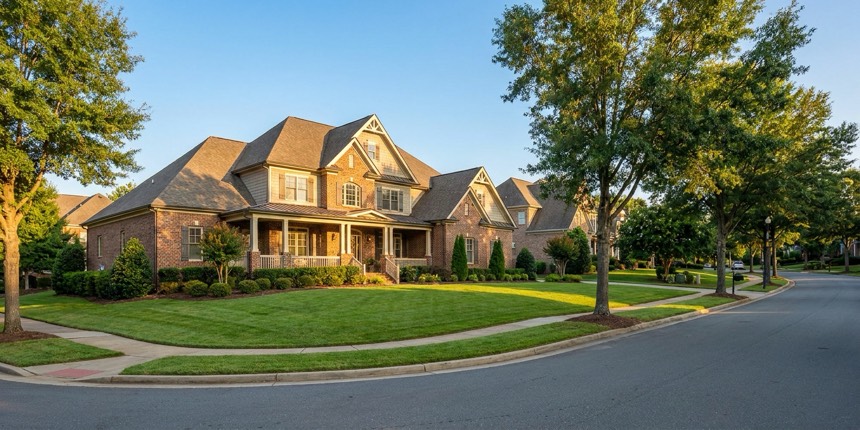
New Jersey has led all fifty states in outbound migration for eight straight years, and once you look at the property-tax bill, it isn’t hard to see why. The Garden State carries the highest effective property-tax rate in the nation — about 2.23%, translating to an average homeowner bill near $9,500 a year — stacked […]
Read More

Table of Contents

Atlas Van Lines, Inc. U.S. DOT No. 125550 (TM & © 2026 AWGI LLC.) | G.P.S.C. 4917 | IL C.C. 4246 | NJPC 00104 | Cal-T 110193
© 2026 Nelson Westerberg, Inc. All Rights Reserved Worldwide.