What to Know Before Moving From Buffalo to Rochester


That 75-mile drive from Buffalo to Rochester feels simple, but the decision behind it is anything but. You are moving far beyond a change of address.
This is a transition from Buffalo’s historic identity as a port city to Rochester’s legacy as the innovative “Flower City.” You are weighing how a new job market, different housing costs, and a distinct cultural scene will reshape your life, all while managing the logistics of the move itself.
Understanding these subtleties is the key to transforming a stressful process into an exciting new chapter. It’s about getting a clear view of what life in Rochester truly looks like, from its unique neighborhoods to its professional environment.
We’ve gathered the critical information to help you understand this transition with confidence. With the right support, your move can be a smooth and rewarding experience, setting the foundation for success in your new home.
Why Are People Moving From Buffalo To Rochester
At first glance, Buffalo and Rochester seem quite similar, being just 75 miles apart. But a closer look shows that Rochester has unique advantages, drawing more and more people east.
This move is rarely a random choice. It’s often a calculated decision based on specific career, education, and lifestyle opportunities that Rochester delivers. Thinking through these key motivators is the best way to see if this move aligns with your own goals.
Career Advancement And Job Market Opportunities
Here’s the thing about Rochester’s economy: it has carved out a powerful niche separate from Buffalo’s industrial roots. The city is a nationally recognized leader in optics, photonics, and imaging, thanks to the legacy of giants like Kodak and Bausch & Lomb.
This extensive specialization creates a strong demand for skilled engineers, researchers, and technicians. Beyond tech, the area’s two largest employers offer incredible stability and a huge range of jobs:
Wegmans Food Markets: Headquartered here, offering roles from corporate logistics to marketing.
University of Rochester Medical Center (URMC): A massive hub for advanced healthcare careers.
For professionals in these key sectors, moving to Rochester isn’t just a change of address. It’s a strategic step forward in their careers.
Educational Excellence And University Proximity
You can feel the academic energy in Rochester. It’s anchored by two powerhouse institutions: the University of Rochester, a top-tier private research university, and the Rochester Institute of Technology (RIT), a leader in tech and the arts.
These universities are like magnets, pulling in talented students, world-class professors, and ambitious researchers. What this means for the city is an energetic, youthful atmosphere and a culture of constant innovation. Whether you’re pursuing a degree, an academic career, or simply want to live in a community driven by curiosity, Rochester’s environment is compelling.
Cost Of Living Advantages And Housing Affordability
Both Western New York cities offer a cost of living well below the national average, which is a huge plus. But the financial picture for a move to Rochester often works out in your favor.
While median home prices can be similar to Buffalo’s, the real difference is the earning potential in Rochester’s specialized job markets.
Higher salaries in fields like healthcare, technology, and higher education can easily offset any small differences in living costs. This ultimately leads to more disposable income and better long-term financial health, making Rochester a city where your career growth and financial stability can truly meet.
Lifestyle And Cultural Scene Differences
A move is about more than just a job or a budget; it’s about the life you’ll live. Rochester offers a unique cultural scene with something for everyone.
Families love world-class spots like The Strong National Museum of Play, while art and history buffs can get lost in the George Eastman Museum.
Plus, Rochester is the gateway to the Finger Lakes region. This gives you unmatched access to its famous wineries, beautiful state parks, and four seasons of outdoor fun. It’s this fusion of rich city culture and easy access to nature that creates a quality of life many people are searching for.
Things To Know Before Moving To Rochester
A smooth move within New York is about more than just getting your boxes from A to B. It’s about understanding what life will actually feel like in your new city. Let’s get you familiar with the day-to-day realities of Rochester, so your transition from Buffalo feels less like a leap and more like a confident step home.
Rochester’s Unique Neighborhoods And Character
Rochester is a city of two tales. It’s the “Flower City,” famous for its lush parks and the breathtaking Lilac Festival, but it’s also “The World’s Image Centre,” built on the legacy of innovators like Kodak and Xerox.
This unique combination of nature and technology means there’s a neighborhood for every personality. Finding your perfect spot is key, and here’s a quick look at some local favorites: Park Avenue: Envision picturesque, tree-lined streets featuring distinctive boutiques and welcoming cafes.
The South Wedge: Known for its eclectic, artistic vibe and strong community feel.
The East End: The city’s cultural heart, bustling with theaters, music venues, and nightlife.
Climate Variations And Seasonal Considerations
Since you’re coming from Buffalo, you already know how to handle a Western New York winter. But here’s a key difference you’ll notice.
Rochester’s lake-effect snow comes off Lake Ontario, while Buffalo’s is fueled by Lake Erie. What this means for you is that the timing and intensity of storms can vary, even between two cities so close together.
With an average of 100 inches of snow a year, Rochester is more than ready for winter. The reward? Beautifully warm summers in the upper 70s, perfect for exploring all those outdoor festivals.
Transportation Infrastructure And Commuting Options
Getting around Rochester is refreshingly straightforward. The city was designed for an efficient commute, which is great news for any new resident. Here’s how you’ll discover and make yourself comfortable in your new home:
By Car: An inner loop of highways (I-390, I-490, and I-590) makes getting around the city and out to the suburbs a breeze. It also connects directly to the I-90 New York State Thruway for longer trips.
Public Transit: The Regional Transit Service (RTS) provides an expansive bus network that serves the city and greater Monroe County.
National Travel: For trips further afield, you have the Frederick Douglass Greater Rochester International Airport (ROC) and an Amtrak station with service to major hubs like NYC and Boston.
Local Amenities And Community Resources
Rochester offers a fantastic quality of life, blending world-class culture with wonderfully quirky local traditions. There’s always something to do.
You can explore The Strong National Museum of Play (a must-see for all ages) or the prestigious George Eastman Museum, a global center for photography and film. For a night out, the Rochester Philharmonic Orchestra delivers incredible performances.
And you can’t say you live here until you’ve tried the city’s most famous culinary invention: the “Garbage Plate.” It’s this mix of high culture and down-to-earth fun that makes Rochester a truly engaging place to call home.
Financial Planning For Your Buffalo To Rochester Move
A successful move is built on a solid financial plan. Even for a shorter 75-mile trip like Buffalo to Rochester, understanding the full financial picture is the key to a stress-free experience.
What this means for you is looking beyond the moving quote to the long-term adjustments in your daily budget. A clear plan helps you sidestep surprises and make confident decisions while you’re planning your move.
Comprehensive Moving Cost Breakdown And Budgeting
The biggest line item on your budget will be the physical move itself, making effective budgeting for your move a critical first step. Your total cost for this short-distance relocation can vary quite a bit depending on your approach. Let’s break down the typical costs:
Professional Movers: Hiring a local moving company for a Buffalo-to-Rochester move generally ranges from $800 to $2,500, but the total costs of hiring moving services depend on your home’s size and whether you need services like packing and unpacking.
DIY Move: Renting a 15-foot truck might cost around $120 to $150 for the rental alone. Remember to budget for fuel, taxes, insurance, and the value of your own time and effort.
Don’t forget to account for those extra costs that can add up, like packing supplies ($100-$300), the proper tip amount for movers, utility activation fees, and any optional moving insurance for added peace of mind. A moving cost calculator can help you get a clearer sense of your total expenses and help you decide which moving method is the best fit for your budget.
Rochester Vs Buffalo Cost Of Living Analysis
Once you’re settled in Rochester, your daily and monthly expenses will look a little different. While both cities are known for being affordable places to live in New York, it’s smart to plan for a slight adjustment.
Here’s the thing: Rochester’s overall cost of living is about 3-4% higher than Buffalo’s. This difference isn’t spread evenly, though.
Housing: This is the biggest driver, costing about 13% more in Rochester.
Utilities: Your electricity and natural gas bills will also be a bit higher, running roughly 11% more than in Buffalo.
Careful budgeting can easily absorb these shifts, but knowing about them ahead of time is essential for planning your new household finances.
Housing Market Trends And Rental Considerations
So, what does that 13% average increase in housing costs actually look like on the market? It directly impacts what you can expect to pay, whether you’re buying or renting.
The median home price in the Rochester area is around $180,600, a noticeable jump from Buffalo’s median of approximately $159,300. This disparity will influence your purchasing power and should be a critical element of your home-buying strategy.
For renters, the story is similar, with average rental prices also being moderately higher in Rochester. We always advise clients to analyze specific neighborhoods, as prices can change significantly based on location and local amenities.
Tax Implications And Financial Adjustments
Here’s some good news for your budget: from a tax perspective, the move is pretty straightforward. Because this is an in-state move, many of your financial obligations won’t change. Let’s quickly run through the key points:
Sales Tax: Both Erie County (Buffalo) and Monroe County (Rochester) have the same combined state and local sales tax rate of 8.75%. No surprises there.
State Income Tax: Your New York State income tax obligations will remain the same.
Property Tax: One critical factor to keep in mind is property tax. Rates in the Rochester metro area, much like in Buffalo, are among the highest in the nation and must be factored into any home-buying budget.
DMV Fees: On a positive note, New York State doesn’t charge a fee to update the address on your driver’s license or vehicle registration after you move.
Selecting Professional Moving Services
Choosing the right moving partner and understanding the various moving services available for your Buffalo to Rochester relocation is a huge decision. This choice is about more than just logistics; it’s an investment in the safety of your belongings and your own peace of mind.
While the 75-mile journey might seem short, the right professional team transforms the process. They can turn a stressful chore into a seamless start in your new home.
Choosing A Moving Company That Knows New York State
When exploring the different kinds of moving companies, a mover’s familiarity with the region is a game-changer. Companies that regularly service the Western New York corridor understand the route’s intricate characteristics, from traffic on the I-90 to neighborhood layouts in both cities.
Here’s a critical piece of information: any company performing a move within the state must be licensed by the New York State Department of Transportation (NYSDOT). Before hiring anyone, you should verify their NYSDOT license number on the department’s website, where you can also check their complaint history. This simple step is your first line of defense.
It’s also good to know that pricing for this type of regional move may differ from short-distance or hourly-based moves, depending on the company’s pricing structure. Here’s how your regional move might be calculated:
Moves under 50 miles are often priced by the hour.
A 75-mile relocation may be calculated based on your shipment’s total weight and the distance.
Navigating Local Regulations And Permit Requirements
Even an in-state move has its share of local red tape. A professional mover’s skill is essential for managing any necessary coordination.
They will handle tasks like securing parking for the moving truck in a dense Rochester neighborhood or adhering to an apartment building’s rules for elevator reservations. What this means for you is a smoother, less stressful moving day.
The entire agreement should be formalized in a legal contract known as the “Bill of Lading.” This is arguably the most important document for your move, as it details all services, costs, and terms. Never sign a Bill of Lading that is blank, incomplete, or contains terms you do not agree with.
Protecting Your Belongings During The Move
Let’s talk about what happens if something gets damaged. By law, all licensed movers in New York must provide a baseline liability coverage known as “Released Value Protection.”
This is offered at no additional cost, but its protection is minimal, covering goods at a rate of 60 cents per pound per item. For example, if a 10-pound television valued at $1,000 were damaged, you would only be reimbursed for $6.00. That’s not a typo.
For complete security, you should opt for “Full Value Protection.” This is an additional-cost option that ensures any lost or damaged item will be repaired, replaced with a similar item, or settled with a cash payment for its current market value.
If you’re moving particularly valuable, fragile, or irreplaceable items—such as antiques, fine art, electronics, or custom furniture—you may want to go a step further. In those cases, consider white glove moving services.
These premium services provide specialized care, including custom crating, climate-controlled transport, and precision in-home placement. It’s an investment, but one that can make all the difference when protecting your most important possessions.
When To Book And What To Avoid
To succeed at finding the best movers at a fair price, begin your search well in advance. We recommend obtaining at least three written estimates from different licensed companies.
For the most accurate quote, insist on an in-home or virtual video survey. Estimates provided quickly over the phone without a visual inventory are notoriously unreliable. As you evaluate your options, be vigilant. Watch out for these red flags that can signal a fraudulent or unprofessional operator:
Demands for a large cash deposit upfront.
A quote that seems drastically lower than all others.
A lack of transparency about potential fees for stairs, long carries, or fuel surcharges.
Arriving on moving day in an unmarked rental truck.
A professional company will be upfront about all potential costs. They build trust through transparency from the very first conversation.
Housing And Neighborhood Selection In Rochester
With the moving logistics handled, you can turn to the most personal part of moving from one house to another: choosing where to put down roots. Rochester is a city of wonderfully distinct neighborhoods and suburbs, each with its own vibe.
Finding the right spot is about more than just a house. It’s about discovering the community that will truly feel like home.
Popular Residential Areas For Buffalo Transplants
Rochester’s neighborhoods offer a fantastic range of living experiences. If you appreciate the walkable, energetic atmosphere of Buffalo’s Elmwood Village, you’ll feel right at home in a few key areas. Here are some top spots to explore:
Park Avenue: This is a premier destination for city living. Its streets are lined with beautiful Victorian and Tudor-style homes, indie boutiques, and so many cafes you’re never more than a block from a great cup of coffee.
South Wedge: An eclectic and artistic community right on the Genesee River. It’s known for a fiercely independent spirit, diverse restaurants, and colorful public art that gives the area a unique energy.
Corn Hill: If historic architecture is your passion, look no further. As one of the city’s oldest residential areas, this federally designated historic district features stunningly preserved 19th-century homes and hosts the famous Corn Hill Arts Festival each year.
Highland Park Neighborhood: This area offers a perfect fusion of city access and incredible green space. It’s anchored by the 150-acre Highland Park—designed by the legendary Frederick Law Olmsted—and is home to the annual Lilac Festival, making it ideal for weekend strolls or a morning run.
Rental Market Dynamics And Lease Considerations
The rental market in Rochester is as diverse as its neighborhoods. On average, you can expect an apartment to cost around $1,425 per month, but that number can shift quite a bit depending on the location and amenities.
You’ll find modern, full-service apartment buildings downtown, while areas like Park Avenue and the South Wedge offer charming units in historic multi-family homes. Here’s the thing to remember: the most desirable areas are competitive. When you find a place you love, be ready to act quickly.
Home Buying Process And Market Conditions
For those looking to buy, Rochester’s market is refreshingly accessible. In late 2023, the median home sale price was about $220,000, which is a bit more affordable than Buffalo’s median of $230,000 for the same period.
The city’s housing stock is rich with character, from 1920s bungalows in North Winton Village to stately homes in established areas.
The buying process follows standard New York State guidelines, but what this means for you is that local expertise is key. Working with a real estate agent who deeply understands Rochester’s micro-markets is critical for finding the right home and making a winning offer.
School Districts And Family-Friendly Communities
We know that for many families, the conversation about where to live starts with one thing: schools. Rochester and its suburbs are home to several highly-regarded school systems. Two communities consistently stand out for families:
Brighton: This first-ring suburb is famous for its top-tier public schools. It delivers a classic suburban feel with kids riding bikes on tree-lined streets and a strong sense of community.
Pittsford: A bit further out, this affluent suburb also boasts excellent schools and a picturesque historic village right on the Erie Canal.
Both communities offer a family-focused lifestyle while still being just a short commute from everything Rochester has to offer.
Career Transition And Professional Networking
We know a successful relocation is about more than just unpacking boxes—it’s about building a fulfilling life. A huge part of that is your career.
Moving from Buffalo to Rochester introduces you to a distinctive economic environment, one built on a legacy of innovation and now powered by advanced industries. Finding your place in this new professional world requires a smart approach.
Rochester’s Major Industries And Employment Sectors
Let’s start with the good news: Rochester’s economy is both stable and growing. With an unemployment rate of just 3.4% as of April 2026, the region has a genuinely robust job market. It’s anchored by several powerhouse employers that provide a strong foundation for the local workforce.
The University of Rochester (including its massive Medical Center)
Rochester Regional Health
Wegmans Food Markets (headquartered here)
Beyond these giants, Rochester is a globally recognized hub for the optics, photonics, and imaging (OPI) industry, with over 150 specialized companies. This high-tech ecosystem grew from the seeds planted by corporations like Xerox and Bausch & Lomb, which still have a major presence alongside L3Harris Technologies.
What this means for you is a rich environment for engineers, researchers, and tech professionals looking for their next opportunity.
Transferring Professional Licenses And Certifications
If you work in a licensed field like healthcare, education, or law, a smooth career transition depends on handling the paperwork. Here’s the thing: even though you’re moving within New York State, transferring your credentials isn’t automatic.
The process is simpler than an out-of-state move, but you must contact the relevant New York State licensing board well before you relocate. They’ll tell you exactly what’s needed to update your address and provide any other required documents.
Starting this early is the single best way to prevent professional downtime and ensure you’re ready to work as soon as you arrive.
Building Professional Networks In Your New City
Once you’re settled, integrating into a new professional community is all about proactive networking. Rochester has a fantastic array of organizations ready to help you connect. Here are a few key places to start:
Greater Rochester Chamber of Commerce: A great, broad platform with events for the entire business community.
Rochester Young Professionals (RYP): A cornerstone for those earlier in their careers, offering monthly networking and development events.
Digital Rochester: An essential resource for anyone in the tech sector looking to connect with peers and industry leaders.
A quick search on platforms like Meetup.com will also uncover niche groups for developers (RocDev) or user experience pros (Rochester UX). These offer a direct connection to the city’s innovative and flourishing innovation environment.
Remote Work Considerations And Co-Working Spaces
Bringing a remote position with you? Rochester’s infrastructure is perfectly suited to support your work.
If you’re looking to escape the home office, the city offers numerous co-working spaces. They provide a professional environment and, just as importantly, a sense of community and valuable networking opportunities.
The presence of tech incubators like NextCorps at Sibley Square is another clear sign of a supportive ecosystem for entrepreneurs and remote professionals. It shows the city is invested in connecting you to the local business fabric.
Settling Into Rochester Life And Community Integration
The last box is unpacked. The moving truck is gone. Now, the real adventure begins: turning your new Rochester address into a place that truly feels like home. We’ve seen countless families make this transition, and it’s all about weaving yourself into the city’s unique rhythm.
Cultural Attractions And Entertainment Options
Rochester’s cultural scene has a distinct and accessible flavor all its own. The city comes alive with major festivals that feel like giant, city-wide block parties. Mark your calendar for these can’t-miss annual events:
Lilac Festival: The world-famous celebration of spring, held every May.
International Jazz Festival: A world-class music event that takes over the city in June.
Corn Hill Arts Festival: A bustling, creative hub for artists and visitors in July.
Beyond the festivals, Rochester’s cultural pulse beats year-round. You can explore the city’s innovative history at the George Eastman Museum, a global leader in photography, or enjoy a world-class performance from the Rochester Philharmonic Orchestra and the collections at the Memorial Art Gallery.
Healthcare Systems And Medical Provider Selection
Finding new doctors for your family is a top priority, and we know it can feel like a major task. The good news is that Rochester is home to two outstanding healthcare systems: the University of Rochester Medical Center (URMC) and Rochester Regional Health.
Both networks provide everything from primary care to highly specialized treatments across the metro area. Here’s the thing: your first step is always to check which system works with your health insurance. Once you know that, you can delve into finding the right fit based on location, specialty, and what other patients are saying.
Social Activities And Community Involvement Opportunities
Feeling connected is what truly makes a new city feel like home. A perfect first stop is the Rochester Public Market, a beloved institution that’s been operating since 1905.
It’s a fantastic place to grab fresh, local food and soak up the community atmosphere. If you’re looking for something more structured, Rochester’s neighborhood associations are incredibly active, especially in areas like the artsy South Wedge and historic Corn Hill. It’s a direct line to meeting your neighbors.
For those who love the outdoors, the easy access to Lake Ontario and the Finger Lakes provides incredible opportunities for hiking, boating, and winery tours.
Local Services And Essential Business Connections
Alright, let’s get down to the practical details that make daily life run smoothly. This is the time to tackle that essential checklist. Here’s what to focus on:
Setting up your utilities.
Finding a reliable auto shop.
Identifying your new go-to spots for groceries, coffee, and other daily needs.
Updating your driver’s license and vehicle registration at a local DMV to your new Monroe County address.
Getting these foundational pieces in place early is a game-changer. It frees you up to stop worrying about logistics and start enjoying everything your new Rochester life has to offer.
Frequently Asked Questions
How long does it typically take to move from Buffalo to Rochester?
It’s a common question. The good news? Your move from Buffalo to Rochester can almost always be done in a single day.
The drive itself is a straight shot of about 75 miles, usually taking just 90 minutes. Here’s the thing: the total time to relocate depends on the size of your home.
From our experience, a smaller apartment move—including loading, driving, and unloading—takes between 5 and 8 hours. For a larger home with three or more bedrooms, it’s best to plan for a full 8-to-12-hour day to ensure we handle every item with care.
What are the main differences in job markets between Buffalo and Rochester?
Thinking about your career in your new city? Both Buffalo and Rochester have robust economies, but they shine in different areas. It’s helpful to know where to look.
Buffalo’s Strengths: The job market here is a powerhouse in healthcare, centered around the Buffalo Niagara Medical Campus. It’s also a major hub for financial services (think M&T Bank) and advanced manufacturing.
Rochester’s Strengths: Rochester is a leader in higher education and research, led by the University of Rochester. It also boasts a high-tech scene focused on optics and imaging, thanks to its roots with giants like Kodak and Xerox. Key employers include the university, Wegmans, and Paychex.
Is Rochester more expensive than Buffalo for everyday living costs?
This is a big one for anyone planning a budget. The short answer is that the costs are remarkably close, with both cities being much more affordable than the national average.
Overall, the data shows Rochester is only about 1% to 3% more expensive. What this means for you is that while your mortgage or rent might be a touch higher—often around 5% to 10% more than in Buffalo—your daily expenses will feel almost identical. Your grocery bill, utility costs, and transportation budget should look very familiar.
What neighborhoods in Rochester are most similar to popular Buffalo areas?
Love your current Buffalo neighborhood? You can find that same vibe in Rochester. It’s all about knowing where to look.
If you love Elmwood Village, check out Rochester’s Park Avenue. You’ll find the same historic Victorian homes, walkable streets, and fantastic boutique shops.
Is Hertel Avenue in North Buffalo your scene? Then you’ll feel right at home in The South Wedge, known for its eclectic and independent spirit.
For the artistic, gallery-filled atmosphere of Allentown, explore the Neighborhood of the Arts (NOTA).
And if you’re looking for something like Williamsville, the affluent suburb of Pittsford offers top-rated schools and a similar lifestyle.
How do I transfer my New York State benefits and services to Rochester?
Moving within New York State simplifies a lot, but there’s still some important paperwork to get right. Here’s a quick checklist to make sure you’re covered after moving from Erie to Monroe County.
Update the DMV: State law requires you to update the address on your driver’s license and vehicle registration within 10 days of your move.
Handle Social Services: If you receive benefits like SNAP, you must report your move to the Erie County Department of Social Services and then reapply in Monroe County, as benefits are managed locally.
Re-register to Vote: Don’t forget this one! Your voter registration does not transfer automatically with your DMV update.
Notify Licensing Boards: For any state-issued professional licenses, be sure to update your address with the correct board to remain in good standing.
Conclusion
That 75-mile drive from Buffalo to Rochester might seem short. But making the move represents a significant transition between two of Western New York’s primary economic and cultural hubs.
What this means for you is that a successful relocation hinges on more than just packing boxes. It’s about making informed decisions that set you up for success long after the last box is unpacked. Getting it right comes down to a few key areas of preparation:
Housing & Jobs: Grasping the real differences in housing costs and Rochester’s unique job market, especially in optics and higher education.
Neighborhood Fit: Identifying a community that genuinely matches your lifestyle, not just your budget.
Financial Planning: Building a realistic moving budget that accounts for everything from security deposits to utility setup fees.
This level of detail is what transforms a challenging logistical endeavor into an exciting new chapter. A well-executed plan is your foundation for a rewarding life in the Flower City.
When you’re ready to put that plan into action, partnering with movers who understand the complex specifics of a New York State relocation ensures every aspect is handled with precision. Your successful move to Rochester begins with a confident first step.
Related Articles
Cost to Move a 3-Bedroom Home Cross-Country (2026): The Full-Service Price Breakdown

If you’re planning to move a three-bedroom home across the country in 2026, the single most useful number to start with is a range: a full-service, professionally handled move typically runs between $6,500 and $14,500, with a roughly 1,000-mile relocation landing around $8,000 to $11,000. Where your move falls within that band depends on a […]
Read MoreMoving from New Jersey to North Carolina (2026): Leaving the Nation’s Highest Property Taxes
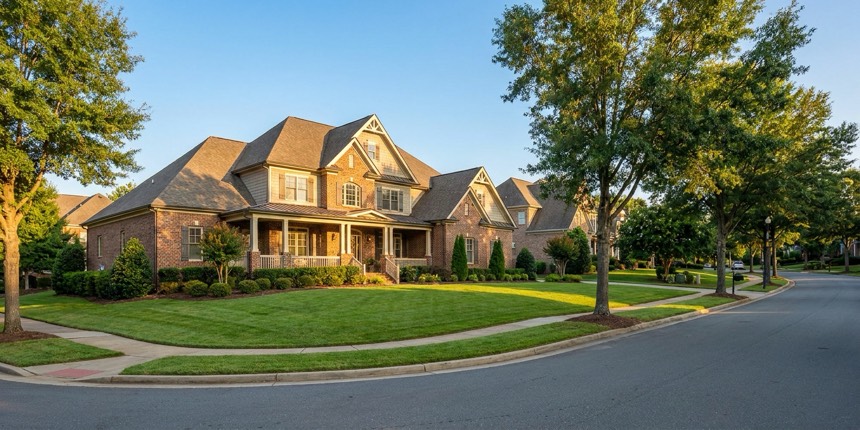
New Jersey has led all fifty states in outbound migration for eight straight years, and once you look at the property-tax bill, it isn’t hard to see why. The Garden State carries the highest effective property-tax rate in the nation — about 2.23%, translating to an average homeowner bill near $9,500 a year — stacked […]
Read More

Table of Contents

Atlas Van Lines, Inc. U.S. DOT No. 125550 (TM & © 2026 AWGI LLC.) | G.P.S.C. 4917 | IL C.C. 4246 | NJPC 00104 | Cal-T 110193
© 2026 Nelson Westerberg, Inc. All Rights Reserved Worldwide.