Why People Are Moving From New York City to Rochester


The dream of living in New York City often comes with a staggering price tag, pushing many to seek a more sustainable future. This 330-mile journey to Rochester is not a compromise; it is a strategic move toward a better quality of life.
Consider the data. Manhattan’s cost of living is 128% above the national average, while Rochester’s is actually 2% below. This financial liberation is most visible in housing. The median home price plummets from over $750,000 in NYC to under $250,000 in the Flower City.
What this means for you is reclaiming hours of your day. An average 40-minute city commute can shrink to a manageable 20 minutes.
Making this significant life change a success starts with understanding the logistics. This is your roadmap for a seamless and rewarding relocation.
Why Are People Moving From NYC To Rochester
The stream of people moving to Rochester from the concrete canyons of New York City isn’t just a trend. It’s a calculated decision.
We’ve seen it firsthand. Families and professionals are making a strategic pivot toward a life with more financial breathing room, more personal time, and fantastic career paths—all without giving up a rich cultural scene.
Escaping The High Cost Of Living And Housing Crisis
Let’s be honest: the biggest driver is the incredible financial relief Rochester provides. The difference is so significant that it can completely reshape your budget and long-term goals. Here’s how that breaks down:
Homeownership: While the median home price in NYC soars past $750,000, Rochester’s median price is often less than a third of that. This makes owning a home with a yard a realistic goal, not a far-off dream.
Renting: The savings are just as dramatic for renters. A two-bedroom apartment in Rochester can easily cost thousands less per month than a similar space in the five boroughs.
What this means for you is the ability to keep a competitive, New York-based salary (thanks to remote work) while enjoying Rochester’s much lower cost of living. It’s a powerful financial combination.
Seeking Better Work-Life Balance And Quality Time
Financial freedom buys you something even more valuable: time. The daily commute in NYC, a marathon averaging over 40 minutes each way, shrinks to a manageable 20-22 minutes in Rochester.
That simple change reclaims hundreds of hours every year. It’s time you can pour back into your family, hobbies, or just relaxing.
This reclaimed time is perfectly matched by Rochester’s amazing access to nature. The city sits on the shores of Lake Ontario and is the gateway to the stunning Finger Lakes region. It’s a conscious choice to trade a life of constant hustle for one with more quiet moments and a genuine connection to the outdoors.
Pursuing Educational Opportunities And Research Careers
Don’t mistake affordability for a lack of opportunity. It’s a city powered by innovation, with world-renowned institutions and major employers. For professionals in these fields, a move here isn’t a step back—it’s a strategic leap into the heart of their industry. Key players in the Rochester economy include:
Education: The University of Rochester and the Rochester Institute of Technology (RIT).
Healthcare: University of Rochester Medical Center and Rochester Regional Health.
Corporate: Wegmans Food Markets and L3Harris Technologies.
Rochester has also become a global hub for the optics, photonics, and imaging industries. Think of it as the Silicon Valley for light and imaging technology.
Embracing Small City Charm With Big City Amenities
Worried you’ll miss the big-city buzz? This is a common concern for people leaving a global hub like NYC, but Rochester quickly puts it to rest.
The city offers a fantastic array of cultural experiences that hold their own against much larger cities. You get all the stimulation without the crowds and high costs. Imagine spending your weekends exploring:
The George Eastman Museum, a must-see for photography and film history.
The Strong National Museum of Play, an incredibly fun and nostalgic destination.
A world-class show by the Rochester Philharmonic Orchestra.
You get the intellectual and artistic energy of a major urban center, all delivered with the friendly, accessible feel of a smaller city.
Things To Know Before Moving To Rochester
The process of moving within New York, such as from the city to Rochester, is more than just a change of address. It’s a shift in lifestyle. Beyond the numbers on a cost-of-living calculator, there’s a city with a unique rhythm. Getting to know its character, climate, and pace is the key to arriving with the right expectations.
What Is Rochester’s True Character And Cultural Identity
Rochester’s identity is a fascinating mix of its industrial past and a high-tech future. While names like Kodak and Xerox laid the groundwork, the city has reinvented itself.
Today, it’s a global hub for optics and imaging, powered by the University of Rochester and the Rochester Institute of Technology (RIT). This brainpower sits alongside a surprisingly rich cultural scene. Here’s a taste of what the city offers:
World-Class Museums: Explore the history of photography at the George Eastman Museum or indulge your inner child at The Strong National Museum of Play.
Performing Arts: The Rochester Philharmonic Orchestra provides a caliber of performance you might not expect in a city this size.
The local culture is also fiercely proud. It’s the birthplace of the Wegmans supermarket empire and home to the “Garbage Plate,” a culinary experience that is 100% Rochester. The city’s spirit is less about the anonymous hustle and more about a grounded, accessible community.
Seasonal Weather Patterns And Climate Adaptation
Let’s talk about the weather, because for any New Yorker, it’s a big deal. Rochester gives you four distinct seasons, from warm summers perfect for the Finger Lakes to stunningly colorful autumns.
But here’s the thing: winter is a defining feature. Sitting on Lake Ontario’s shore means Rochester gets significant lake-effect snow, averaging nearly 100 inches a year.
This isn’t a deal-breaker; it’s just a part of life that requires a little preparation. A good set of snow tires isn’t a suggestion—it’s essential. The payoff for that winter readiness is a full calendar of seasonal fun, from summer boating to winter skiing.
Transportation Infrastructure And Getting Around
Switching from the subway to the driver’s seat is one of the biggest practical changes. To be perfectly clear, Rochester is a car-dependent city.
While the Regional Transit Service (RTS) offers a bus system, a personal vehicle is necessary for most residents to get to work, run errands, and explore the region.
What this means for you is a huge gain in personal time. The gridlock of NYC, where a 40-minute commute is common, is replaced by an average Rochester commute of under 25 minutes. The city is built for easy driving, making your daily to-do list far less stressful.
Local Customs And Community Integration Expectations
The pace of life in Rochester is noticeably more relaxed than NYC’s constant hum. This directly impacts how people connect.
Finding your community is often easier here. Social circles tend to form around neighborhoods, schools, and shared interests at local events like the acclaimed CGI Rochester International Jazz Festival.
Instead of the transactional encounters of a huge city, interactions in Rochester are more personal. Newcomers often find it simpler to start conversations and build real connections. Success here means embracing a slower pace and actively joining in. It’s a welcome shift from the anonymity of the crowd to the familiarity of a true community.
Financial Benefits And Cost Comparison Analysis
Let’s be honest: for many people, the decision to move from NYC to Rochester comes down to the numbers. The idea of a lower cost of living is one thing, but seeing the data—and doing the math on monthly expenses—makes it real.
Overall, estimates show Rochester can be over 60% less expensive than New York City. That’s a staggering difference that doesn’t just help you save—it can fundamentally transform your financial future.
Housing Market Dynamics And Affordability Advantages
Nowhere is the financial gap more obvious than in the housing market. The dream of owning a home, which can feel impossible in the five boroughs, becomes a genuine possibility in Rochester.
The median home price here is frequently more than 80% lower than in boroughs like Manhattan or Brooklyn. This isn’t a small adjustment; it’s a complete shift that could put a spacious home within reach for the price of a small city apartment.
Renters see a similar benefit, with average rental prices estimated to be over 80% cheaper, freeing up a massive portion of your monthly budget.
Here’s something people often wonder about: property taxes. While the rate in Monroe County is relatively high, the actual dollar amount you pay is typically far lower than in NYC because home assessment values are so much more reasonable.
Daily Living Expenses And Budget Transformation
The savings go far beyond your rent or mortgage, touching every part of your daily life. What this means for you is that every dollar you earn simply goes further. This move is like giving yourself a raise without asking your boss. Here’s a quick breakdown of where you’ll feel the difference:
Purchasing Power: Your money has approximately 18% more buying power in Rochester.
Groceries: Expect your food bills to be about 30% lower than they were in NYC.
Dining Out: Restaurant prices are nearly 40% lower, making it easier to enjoy a meal out.
Utilities: Essentials like electricity and heat generally cost 15-25% less.
The combined effect of these daily savings creates a substantial increase in disposable income. You can now redirect that cash toward savings, investments, or simply enjoying a more fulfilling lifestyle.
Tax Implications And Financial Incentives Available
The moment you officially leave New York City, you get an immediate financial win. You are no longer subject to the NYC personal income tax, which ranges from 3.078% to 3.876%. That’s a direct saving on every single paycheck. On top of that, the combined sales tax in Rochester is 8.0%, a bit lower than NYC’s 8.875%, creating small but steady savings on your purchases.
But here’s a potential game-changer. The Greater Rochester area is actively recruiting new residents, and remote workers relocating to the region may be eligible for an incentive package worth up to $19,000. This program includes grants for relocation expenses and home-buying assistance, offering a powerful boost to your finances right from the start.
Long-Term Wealth Building Opportunities In Rochester
So, what does all this mean for your long-term goals? It creates a powerful engine for building wealth. The capital that was once consumed by sky-high rent in NYC can now be channeled into retirement accounts, investment portfolios, or college savings funds.
Building equity in an affordable home provides a stable asset, while the lower cost of living can help you pay down debt much faster.
It’s important to have the full picture: the median household income in Rochester is lower than in NYC. Here’s the thing, though—for many movers, the immense reduction in living costs more than compensates for that difference. The result is a net positive financial outcome and a clear, attainable path to building lasting wealth.
Career Opportunities And Professional Landscape
A great cost of living is one thing, but a fulfilling career is what truly powers your life. Many people worry that leaving a major hub like New York City means taking a step back professionally.
Here’s the thing: Rochester’s adaptable job market completely dismantles that myth. With an unemployment rate that consistently tracks at or below the national average, this region offers a stable and growing ecosystem where your ambition can thrive right alongside a better quality of life.
Technology Sector Growth And Innovation Hubs
You know the legacy names—Kodak, Bausch & Lomb, Xerox—that built this city. Today, Rochester has channeled that innovative spirit into becoming a global leader in the optics, photonics, and imaging (OPI) industries.
This isn’t just some small niche; it’s the technology shaping our future, and Rochester is at the center of it all. What this means for your job search is access to a unique and thriving tech scene. Key players include:
AIM Photonics: The American Institute for Manufacturing Integrated Photonics has its national facility here, cementing Rochester’s role in America’s tech strategy.
L3Harris Technologies: A major defense contractor with a significant presence and a constant need for top talent.
Paychex: This leader in payroll and HR technology is headquartered right here, offering a wide range of corporate and tech roles.
Healthcare And Medical Research Institutions
The absolute bedrock of Rochester’s job market is the education and health services sector. In fact, it’s the largest employment supersector in the region, according to the U.S. Bureau of Labor Statistics. This field is anchored by two absolute powerhouses.
The University of Rochester: The region’s single largest employer, its world-renowned Medical Center offers thousands of clinical, research, and administrative positions.
Rochester Regional Health: This second massive healthcare system provides extensive opportunities across its network of hospitals and clinics throughout the metro area.
For professionals in medicine, research, or healthcare administration, Rochester presents a clear path to building a career in a top-tier organization, often without the intense burnout culture of a larger city.
Higher Education And Academic Career Paths
Those same institutions also make Rochester a major hub for academia. The city is home to the prestigious University of Rochester, a private research university, and the Rochester Institute of Technology (RIT), a leader in technology and design education.
These universities cultivate an engaging academic environment and serve as significant employers for more than just faculty members. They offer a huge range of professional roles in administration, student affairs, and technology transfer, making the city a magnet for anyone dedicated to a career in higher education.
Entrepreneurship Support And Small Business Environment
What if you’re looking to forge your own path? You might be surprised to find an incredibly supportive environment for entrepreneurs in Rochester.
The city’s lower operational costs give startups a significant runway, allowing your venture capital and hard-earned savings to go much further. This financial advantage is backed by a growing support network focused on cultivating new businesses, including:
NextCorps: A dedicated incubator providing mentorship and resources for tech startups.
RIT’s Venture Creations: A university-affiliated program that helps launch and grow new companies.
It’s an ecosystem where innovative ideas, especially in tech, biotech, and advanced manufacturing, have the space and support they need to take root and flourish.
Neighborhood Selection And Housing Options
Finding a fulfilling career is just the first step in your relocation story. The next chapter, which involves the process of changing homes in the Rochester area, is about profound choice, not compromise.
For anyone used to the New York City market, the housing terrain here can feel like a revelation. The median home price is often more than 70% lower than in NYC, which turns the dream of homeownership into a very tangible plan.
The region’s housing stock is incredibly diverse, offering everything from classic single-family homes to modern apartments. You’ll also find historic duplexes, which locals affectionately call “doubles.”
Here’s the thing to keep in mind: while the initial cost is a relief, Monroe County’s property tax rates are among the highest in the nation. A solid financial plan needs to account for this from day one.
Downtown Rochester Living And Urban Lifestyle
If you’re not ready to give up the energy of city life, you don’t have to. Rochester offers engaging, pedestrian-friendly neighborhoods with urban amenities, while maintaining a more approachable scale compared to Manhattan or Brooklyn.
You can find a two-bedroom apartment here for a median rent between $1,300 and $1,600—a number that barely makes a dent in the NYC market. This means you can enjoy an urban lifestyle where your income goes toward living, not just rent. Check out areas like:
The South Wedge: Known for its eclectic, bohemian vibe, independent shops, and community gardens.
The Park Avenue Neighborhood: Defined by stately Victorian architecture and a bustling strip of boutiques and cafes.
Suburban Family-Friendly Communities And School Districts
Many families move in search of a community-centric environment, and Rochester’s suburbs are a massive draw. If top-rated schools and green space are on your checklist, you have some incredible options.
Pittsford, with its charming village along the Erie Canal, is consistently praised for its top-ranked public school system. It’s one of the most sought-after communities in the region for a reason.
Brighton is an inner-ring suburb offering excellent schools and an exceptionally short commute to the city. For a balance of affordability and amenities, suburbs like Penfield provide extensive parklands, while Webster gives you the unique appeal of living on the shores of Lake Ontario.
Historic Neighborhoods With Character And Charm
Rochester’s history as a 19th-century industrial powerhouse is beautifully preserved in its residential architecture. You can literally live inside a piece of American history.
Corn Hill, the city’s oldest neighborhood, is a federally designated historic district where gas-lit streets thoughtfully showcase well-preserved historic homes. For a different kind of grandeur, the East Avenue corridor, or “Mansion District,” showcases the stately homes built by the city’s founders. Many of these magnificent properties are now museums or luxury apartments.
Emerging Areas And Future Development Zones
Beyond its established neighborhoods, Rochester is a city in motion. Ongoing revitalization is creating fresh opportunities for residents and investors alike.
What this means for you is a chance to be part of the city’s next chapter. Areas near downtown and along the Genesee River are experiencing renewed urban development. For a savvy buyer moving from NYC, these emerging zones represent a chance to invest in a community on an upward trajectory, securing a home with significant potential for future growth.
Lifestyle Transformation And Cultural Adaptation
The most profound shift when moving from New York City to Rochester isn’t measured in dollars saved, but in minutes reclaimed. It’s a transition from the relentless pace of a 24/7 metropolis to the deliberate rhythm of a mid-sized city.
What this means for you is a fundamental change in your daily life, starting with the commute. That draining, often hour-plus journey on subways and buses gets replaced by an average drive to work of just 21 minutes. This newfound time is the real currency for a richer quality of life.
Entertainment Options And Cultural Scene Comparison
While no city can replicate the sheer scale of New York’s entertainment, Rochester offers a cultural scene with remarkable depth. The city punches far above its weight, anchored by world-class institutions.
Here’s the thing: you’ll trade spontaneous, round-the-clock options for a more intentional approach to an engaging cultural experience. Key highlights include:
World-Class Music: Home to the prestigious Eastman School of Music and the Rochester Philharmonic Orchestra.
Festival City: The calendar is packed with over 140 annual festivals, including the internationally acclaimed Rochester International Jazz Festival.
Structured Vibrancy: Businesses and venues operate on more conventional schedules, encouraging you to plan ahead for amazing experiences.
Outdoor Recreation And Natural Beauty Access
Perhaps the most dramatic lifestyle change is the immediate access to the natural world. The concrete canyons of NYC are exchanged for the rolling hills and pristine waters of the Finger Lakes region.
Rochester’s identity as the “Flower City” is rooted in its extensive park system, much of it designed by the famous Frederick Law Olmsted. A brief journey unveils multiple possibilities for leisure and enjoyment:
Waterfront Fun: Lake Ontario provides beaches and opportunities for water sports.
Regional Exploration: The nearby Finger Lakes are perfect for hiking, boating, and world-class wine tasting.
And yes, let’s talk about winter. An average snowfall of near 100 inches transforms the environment, making it not an obstacle but an opportunity for skiing, snowshoeing, and ice fishing.
Food Culture And Dining Scene Evolution
A New Yorker’s palate is accustomed to global diversity on every corner. While Rochester can’t match that breadth, its dining scene is evolving with a distinct and proud identity.
You’ll be trading infinite choice for authentic local flavor. The city is a cornerstone of the burgeoning farm-to-table movement, benefiting from its location amidst rich agricultural land. You’ll discover:
Farm-to-Table Excellence: Restaurants championing fresh, regional ingredients.
Craft Beer Hub: A nationally recognized and thriving craft beer scene.
Wine Country Gateway: Direct access to the Finger Lakes wine region, one of the world’s premier Riesling producers.
Social Networks And Community Building Strategies
Moving from the comfortable anonymity of a global metropolis to a community-oriented city requires a new social strategy. In New York, your social circle can exist in a bubble; in Rochester, community is often tied to geography.
The slower pace and smaller scale make it easier to build meaningful connections. Instead of a vast, transient network, you can build a more stable, interconnected community. Active participation is rewarded with genuine relationships and a powerful sense of belonging.
Selecting Professional Moving Services
Moving 330 miles from New York City to Rochester is more than just a long drive. It’s a complex logistical puzzle that requires real expertise and an understanding of the different types of moving services available.
This kind of move is classified as an “intrastate” relocation, which means it’s regulated by the New York State Department of Transportation (NYSDOT).
What this means for you is that your choice of moving partner isn’t just about muscle; it’s about finding a team that truly understands the rules of the road. The right firm can transform a stressful day into a smooth transition.
Choosing A Moving Company That Knows NYC
Let’s be honest: not all types of moving companies can handle a New York City pickup. The city presents unique challenges, from tight streets and fifth-floor walk-ups to strict building management rules. Here’s what to look for to ensure your team is up to the task:
A valid NYSDOT number. This is non-negotiable. It should be clearly printed on their trucks and all paperwork, proving they are a legitimate, state-licensed operator.
At least three written estimates. To get a fair price, insist on estimates based on a detailed in-home or video survey. A quote given instantly over the phone is a major red flag that often hides future costs.
Transparent pricing. Professional estimates from quality long-distance moving companies are calculated using the total weight of your shipment and the mileage. This gives you a clear, honest basis for comparing your options.
Protecting Your Belongings During The Move
The things you own are worth far more than their weight in pounds. That’s why understanding moving insurance is so critical.
By law, movers must offer basic liability called “Released Value Protection.” Here’s the thing: this coverage is incredibly minimal, paying out just $0.60 per pound for an item. A 10-pound, $1,500 laptop? You’d only get $6.00 back if it were damaged.
For genuine financial security, you need “Full Value Protection.” This superior option holds the mover responsible for the replacement value of any lost or damaged item.
Another alternative? Consider hiring a white glove moving service. These premium movers go beyond standard packing and transportation — they specialize in meticulous handling, custom crating, and extra care throughout the process, thereby reducing the risk of damage from the outset.
Whether you choose better insurance or high-end service, protecting your belongings is an investment in peace of mind.
When To Book And What To Avoid
In any move, timing is everything. To get the best pricing and secure your preferred date, we recommend booking your move four to six weeks in advance. This is especially true if you’re moving during the peak season from May to September.
As you continue your search for a reliable moving company, keep an eye out for these warning signs:
A demand for a large cash deposit up front.
A vague estimate is offered without a visual inventory of your home.
An inability to provide a physical address or licensing information.
The legal contract for your move is called the Bill of Lading. Before you sign anything, review this document carefully to ensure every service is itemized, from packing to handling that oversized sofa. Never, ever sign a blank contract.
Understanding Building Requirements And NYC Regulations
One of the biggest moving-day disasters in NYC comes from not meeting building requirements. Most managed residential buildings demand a Certificate of Insurance (COI) from your moving company before they can even start.
An inexperienced mover might not know this, bringing your entire move to a halt right on the sidewalk. A seasoned NYC mover, however, anticipates this and handles all the paperwork with your building’s management well in advance.
This booklet is designed to empower you, making sure you know your rights and the mover’s responsibilities every step of the way.
Frequently Asked Questions
How much money can I realistically save by moving from NYC to Rochester?
The financial difference is one of the biggest reasons people make this move, and with a solid strategy for saving money to move out, it’s a game-changer for your budget. The overall cost of living in Rochester is about 60-70% lower than in New York City. Here’s where you’ll feel that relief most:
Housing: This is the big one. Median home prices are often over 80% lower than in a borough like Manhattan. Rent for a comparable apartment? Expect it to be around 75% less.
Daily Life: Your wallet gets a break here, too. Groceries typically cost about 25% less, and transportation expenses can drop by more than 40%.
What this means for you is a significant boost in disposable income, which makes saving the amount needed to move much faster.
What are the biggest cultural adjustments I should prepare for when leaving NYC?
Moving from the city that never sleeps to a more relaxed environment is definitely an adjustment. But it’s one that many people come to love.
The most noticeable shift is the pace of life; it’s much calmer than the constant 24/7 energy of NYC. You’ll also find that Rochester is a car-dependent city. While there’s a public bus system, having your own vehicle is pretty essential—a big change from relying on the subway.
On the flip side, the city’s smaller scale creates a genuine sense of community where you see familiar faces. While Rochester has a fantastic cultural scene, you won’t find the same overwhelming volume of late-night options as in the five boroughs.
How does the job market in Rochester compare to NYC opportunities?
Think of it as trading the sheer vastness of NYC’s market for the focused strength of Rochester’s. The job markets are built differently. Rochester’s economy is a powerhouse in specific, high-growth sectors. Key industries include:
Healthcare and Higher Education (University of Rochester and Rochester Regional Health are the top employers)
Advanced Manufacturing
Optics, Photonics, and Imaging Sciences (it’s an internationally recognized hub)
While NYC is a global leader in finance, law, and media, Rochester provides a stable, robust job market within its specialties and often boasts a low unemployment rate.
What neighborhoods in Rochester offer the best value for former NYC residents?
If you’re looking for a neighborhood with that familiar urban feel, you’re in luck. Rochester has several spots that feel like home for former city dwellers.
The South Wedge: Known for its walkability and eclectic local shops, it has a dense, community-first vibe reminiscent of a relaxed East Village.
Park Avenue: This area offers a more affluent, historic feel with beautiful Victorian homes, boutique shopping, and tons of cafes. It has a bit of a Park Slope, Brooklyn charm.
North Winton Village: A popular spot for young professionals, it blends affordability with a walkable commercial strip full of bars and restaurants.
Corn Hill: As one of the nation’s oldest residential neighborhoods, it delivers incredible historic character right next to downtown.
How long does the typical move from NYC to Rochester take with professional movers?
We get this question all the time, and the answer for your overall moving timeline depends on the type of service you choose. The 330-mile drive itself is about six hours without major traffic.
For a dedicated move, where the truck is exclusively for your belongings, the entire process is usually done in 1-2 days.
Day 1: Loading. A professional crew can typically load a standard NYC apartment in 3-5 hours, depending on challenges like stairs or elevator access. The truck then heads to Rochester.
Day 2: Delivery. Your belongings arrive for unloading at your new home. Many professional movers offer guaranteed next-day delivery for this route.
If you choose a more budget-friendly consolidated shipment, your items share truck space with other moves. This extends the delivery window, usually to between 2-5 business days, but can offer significant savings.
Conclusion
Moving from New York City to Rochester isn’t just a change of address; it’s a strategic life upgrade. You’re trading sky-high costs for incredible value and swapping a grueling commute for more personal time. What does this new reality look like? Let’s break down the exchange:
Financial Freedom: Homeownership becomes a real possibility, with median prices often less than a quarter of what you’d pay in Brooklyn. The overall cost of living drops significantly.
More Time: Your daily commute shrinks to an average of just 21 minutes, freeing up hours to engage with your new city and the people in it.
The best part is that you don’t have to sacrifice career advancement or cultural richness. You’re simply gaining financial stability and a higher quality of life. But here’s the reality: realizing this transformative potential hinges on getting the logistics right.
Ultimately, the move from NYC to Rochester represents a powerful step toward a more balanced, prosperous, and fulfilling future.
Related Articles
Cost to Move a 3-Bedroom Home Cross-Country (2026): The Full-Service Price Breakdown

If you’re planning to move a three-bedroom home across the country in 2026, the single most useful number to start with is a range: a full-service, professionally handled move typically runs between $6,500 and $14,500, with a roughly 1,000-mile relocation landing around $8,000 to $11,000. Where your move falls within that band depends on a […]
Read MoreMoving from New Jersey to North Carolina (2026): Leaving the Nation’s Highest Property Taxes
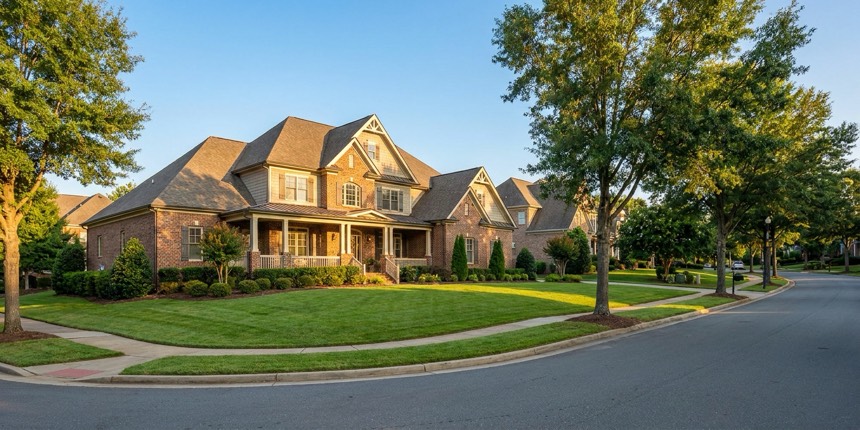
New Jersey has led all fifty states in outbound migration for eight straight years, and once you look at the property-tax bill, it isn’t hard to see why. The Garden State carries the highest effective property-tax rate in the nation — about 2.23%, translating to an average homeowner bill near $9,500 a year — stacked […]
Read More

Table of Contents

Atlas Van Lines, Inc. U.S. DOT No. 125550 (TM & © 2026 AWGI LLC.) | G.P.S.C. 4917 | IL C.C. 4246 | NJPC 00104 | Cal-T 110193
© 2026 Nelson Westerberg, Inc. All Rights Reserved Worldwide.