What to Know Before Moving From Syracuse to Albany


The 140-mile drive from Syracuse to Albany seems straightforward, but the real journey is a significant life transition. You are moving between two of New York’s distinct urban centers, trading the familiar for a new beginning in the state’s capital.
This move is often a strategic step toward career advancement in government or access to different educational institutions. A successful relocation hinges on handling the logistics, finances, and lifestyle adjustments with confidence.
Making the right choice comes down to a clear plan, from building a moving timeline to understanding the true cost of a DIY move versus professional services.
It also means finding an Albany neighborhood that fits your life and preparing for the Capital District’s unique culture. Getting these details right is what transforms a stressful process into a smooth start in your new home.
Planning Your Syracuse To Albany Relocation Timeline
That 2.5-hour drive down the I-90 is the easy part. A truly successful move from Syracuse to Albany is built on the weeks of smart preparation that happen long before the truck is packed.
What this means for you is creating a clear, step-by-step timeline of all the things to do before moving. By breaking the process into manageable phases, you can sidestep the stress and ensure a smooth transition to your new life in the Capital District.
Creating A Moving Schedule 8-12 Weeks In Advance
In the moving industry, we know that understanding your moving timeline is key; a well-organized relocation starts two to three months before your move-in date. This timeframe gives you the breathing room to handle every detail without that last-minute scramble.
Your first step is to research and vet professional moving companies. Get at least three in-home or virtual estimates to accurately compare what you’re getting for the cost. This is also the perfect time to declutter.
Sorting through your belongings now reduces the total volume of your shipment, which directly lowers your final moving cost. As you get closer, your priorities will shift. Here’s a simple breakdown:
6-8 Weeks Out: Finalize and book your mover. During peak season (May to September), the best companies get booked up fast, so locking in your date is essential. You can also start gathering packing supplies and boxing up non-essential items like seasonal decor or books.
2-4 Weeks Out: Time for the administrative tasks. File your official change of address with the USPS and arrange to transfer your utilities. You’ll need to schedule a shut-off date for your Syracuse home and a start date for your new place in Albany.
The Final Week: Finish all remaining packing. Your most important task now is to prepare an “essentials box” with the necessary items you’ll need for the first 24 hours in your new home—medications, chargers, toiletries, important papers, and maybe even the coffee maker.
Coordinating Work And School Transfer Dates
A move is so much more than just moving boxes; it’s about synchronizing major life events. Getting the timing right is crucial.
If your move is for a new job, talk to both your current and future employers to set a clear timeline. Confirm your last day in Syracuse and your start date in Albany to avoid any surprise gaps in your income. Remember to request a few days off around the move itself for packing and settling in. For families, coordinating school transfers is a top priority.
Contact the current school: Reach out to your child’s school in Syracuse to get their academic records and let them know the official withdrawal date.
Contact the new school: Get in touch with the school district in Albany to learn their specific enrollment process, residency proof requirements, and key deadlines.
Here’s a tip from our experience: Aligning your move with a natural school break, like summer or winter vacation, can make the transition much easier on your child’s education and social life.
Managing Lease Agreements And Property Transitions
Juggling two properties is a common moving-day headache. The goal is to create a seamless handoff, avoiding the financial strain of paying for two places at once or the stress of a housing gap.
If You’re Renting in Syracuse: Review your lease agreement for the required notice period. It’s typically 30 to 60 days. Be sure to provide written notice to your landlord and schedule a final walkthrough to get your security deposit back without a hitch.
If You’re a Homeowner: Work closely with your real estate agent to align the closing date on your Syracuse property with the possession date of your new Albany home. Whether you’re buying or renting in Albany, precise timing prevents costly overlaps and logistical nightmares.
Seasonal Considerations For New York State Moves
Moving in July is a completely different ballgame than moving in January, especially in Upstate New York. The season you choose has real strategic effects.
Peak Season: May – September Moving during these months offers beautiful weather, which is a huge plus. The trade-off is higher demand, which can mean higher costs and less flexibility. To get your preferred dates, we recommend booking your mover at least 6 to 8 weeks in advance.
Off-Peak Season: October – April You might find more open schedules and potentially lower costs during this time. But winter weather can cause delays—The New York State Thruway (I-90) is known for heavy snow and icy roads, especially from November through March. It’s essential to choose a mover with cold-weather experience and build in extra time just in case.
Why Are People Moving From Syracuse To Albany
Making the 140-mile move from Syracuse to Albany is a big decision, and it’s one we see people making for very strategic reasons. It’s about more than a change of scenery. Both cities are cornerstones of Upstate New York, but Albany offers a unique mix of opportunities. Here’s a closer look at what’s drawing your neighbors eastward.
Career Advancement Opportunities In State Government and Tech
For many, the number one reason for moving to Albany is the job market. It’s powered by two very different, very stable engines.
First, as New York’s state capital, Albany has a massive base of government jobs. These roles in public policy, administration, and law provide a level of stability that isn’t always tied to national economic trends.
Then there’s the tech side. Albany is the heart of New York’s “Tech Valley,” a hub for innovation in fields like nanotechnology and software development. Major employers like GlobalFoundries create thousands of high-paying tech jobs, pulling in talent from all over.
What this means for you is a more flexible and resilient job market. This powerful combination of government and technology often leads to a lower unemployment rate compared to the Syracuse metro area.
Educational Benefits And University Access
If higher education is a priority for your family, the Capital Region is hard to beat. The area is packed with excellent institutions, creating a smart, energetic community. This isn’t just about one or two good schools; it’s about having a wide array of choices.
The University at Albany (SUNY): A major public research university.
Rensselaer Polytechnic Institute (RPI): A nationally recognized engineering powerhouse in nearby Troy.
Union College: A celebrated liberal arts college in Schenectady.
For families, this academic density translates directly into better educational pathways and resources. It fosters a culture of learning that benefits the entire community.
Cultural And Entertainment Lifestyle Upgrades
Think of Albany as your new home base for adventure, both near and far. Its location at the crossroads of I-90 and I-87 is a game-changer. Your weekends just got a major upgrade. Suddenly, major cities are within easy reach for a day trip or getaway.
New York City: Just a 2.5 to 3-hour drive or a direct Amtrak ride away.
Boston: Also only about a 3-hour drive.
Locally, the fun continues. The historic downtowns of Albany, Schenectady, and Troy offer a fantastic mix of museums, theaters, and restaurants.
And for outdoor lovers? You’re perfectly positioned. The Adirondacks are to your north, the Catskills are south, and the Berkshires are east—endless hiking, skiing, and exploring are practically in your backyard.
Healthcare And Medical Facility Improvements
When you’re planning a move, which can include finding moving services to New York, peace of mind about healthcare is a big deal. The Capital Region delivers with a top-tier, extensive medical network.
You gain access to major facilities known for excellent care. This includes Albany Medical Center, a leading academic health sciences center, and the extensive St. Peter’s Health Partners network.
Here’s the thing: having an “academic health sciences center” nearby means access to cutting-edge research and specialists. It ensures your family is covered for everything from routine check-ups to advanced, specialized treatments.
Things To Know Before Moving To Albany
A smooth move from Syracuse to Albany is about more than just unpacking boxes. It’s about understanding the rhythm of life in the Capital District.
Let’s talk about the day-to-day realities—from weather and traffic to the city’s unique culture—so you’re prepared long before our moving truck pulls up to your new home.
Climate Differences And Weather Patterns
Let’s get right to it: the winter weather. For anyone relocating from Syracuse, this is often the top concern.
The good news? While Albany has a true four-season climate with cold, snowy winters, you’ll get a significant break from Central New York’s famous lake-effect snow. Albany averages about 60 inches of snow annually—plenty for winter fun, but a far cry from Syracuse’s totals.
Expect January lows around 15°F (-9°C). Then, look forward to warm, humid summers with July highs near 82°F (28°C), perfect for enjoying the region’s parks and lakes.
Transportation Systems And Commuting Options
Getting around the Capital Region is surprisingly efficient. The average commute in Albany is just 21 minutes, which is well below the national average. What this means for you is more time for your family, your hobbies, or just an extra cup of coffee in the morning. This efficiency comes from a solid transportation network. Key options include:
CDTA Bus System: The Capital District Transportation Authority (CDTA) runs an extensive bus network, connecting Albany to nearby cities like Schenectady, Troy, and Saratoga Springs.
Major Highways: The city is a major hub, sitting right at the crossroads of I-90 (the New York State Thruway) and I-87 (the Adirondack Northway). This makes road trips and regional travel a breeze.
Air & Rail: For longer trips, you have the Albany International Airport (ALB) and a major Amtrak station just across the river in Rensselaer, with direct lines to New York City and beyond.
Local Laws And Municipal Regulations
Planning your budget is one of the most critical parts of any move, and it’s important to get the details right. While you’ll still pay New York State income tax, the bigger financial factor to watch is property tax.
Property taxes in the Capital Region are set at the local level and are generally higher than the national average, so be sure to factor this into your home-buying budget. Getting settled also means learning the local rules. To make your first few weeks smoother, get familiar with:
Parking Rules: Check for any alternate-side parking or snow emergency regulations in your specific neighborhood.
Recycling & Trash: Look up the pickup schedule and sorting requirements for your address ahead of time.
Community Culture And Social Integration
Albany’s identity is deeply connected to its role as the state capital, and you can feel it. The heart of the city’s civic and cultural life is the Empire State Plaza, a stunning modernist complex.
It’s home to the New York State Museum, the State Capitol, and the iconic performing arts venue everyone calls “The Egg.” But the city’s character is also shaped by its historic neighborhoods and incredible public parks.
Washington Park, an 84-acre green space designed by Frederick Law Olmsted’s partners, is where the community gathers, especially for the famous Tulip Festival each spring. This mix of government energy and community warmth gives new residents plenty of ways to connect and feel at home.
Cost Analysis For Your Syracuse To Albany Move
Let’s talk numbers. A realistic budget and knowing the right amount to save for a move are what turn a potentially stressful relocation into a smooth, predictable process. You can start by using a moving cost calculator for a baseline.
The 140-mile journey from Syracuse to Albany is an intrastate move, but smart financial planning goes beyond just the transportation quote. It’s about weighing the value of professional services against the true cost of a DIY move and planning for those “what if” scenarios.
Professional Moving Service Price Ranges
Opting for a professional mover provides a structured experience with predictable moving service costs. For a Syracuse-to-Albany relocation, you can generally expect the price to fall between $1,500 and $4,500.
So, what causes that price to vary? It really comes down to two key things: the total weight of your belongings and the level of service you choose.
Basic Service: This typically covers the essentials—loading the truck at your old home, transporting your goods, and unloading them at your new one.
Full-Service Package: This is the hands-off option. It includes everything in the basic service, plus professional packing and unpacking, which adds to the total investment but saves you significant time and effort.
Here’s an insider tip: demand directly impacts price. Moving during the peak season (summer months, weekends, and the end of the month) will always command higher rates.
DIY Moving Expenses And Hidden Costs
A Do-It-Yourself (DIY) move can look like a bargain on the surface, but it’s crucial to add up all the expenses. The costs accumulate faster than you might think.Let’s break down where the money goes:
Truck Rental: A 15-foot truck for a one- or two-bedroom apartment often starts at $130-$180. That initial quote rarely includes taxes, mandatory insurance, or environmental fees.
Fuel: Most moving trucks get about 8-12 miles per gallon. For the 140-mile drive, plan on spending an estimated $50-$75 in fuel alone.
Packing Supplies: Boxes, packing tape, bubble wrap, and furniture pads are essential. Expect to spend anywhere from $100 to $400 on these materials.
Hired Labor: If you hire help just for the heavy lifting, movers typically charge $60 to $100 per mover, per hour, often with a two-hour minimum, and that doesn’t include the cost of tipping your movers. This can quickly narrow the savings gap.
And that doesn’t even account for the immense physical toll. Moving is hard work.
Temporary Housing And Storage Solutions
In a perfect world, you’d hand over your old keys and get your new ones on the same day. But reality often has other plans.
It’s wise to budget for a few nights in a hotel if there’s a gap between leaving Syracuse and getting into your Albany home. If your new space isn’t ready for your belongings, you’ll also need a storage solution.
While you can find a self-storage unit, many professional movers, including us, offer Storage-in-Transit (SIT). What this means for you is a streamlined, secure way to safeguard your belongings with your moving company until you’re ready for them.
Tax Implications And Moving Deductions
Here’s the bottom line on moving expenses and your taxes. Thanks to the Tax Cuts and Jobs Act of 2017, the federal deduction for moving expenses was suspended for most people.
For the vast majority of individuals, this means the costs of moving from Syracuse to Albany are no longer tax-deductible on a federal return.
There is a key exception for active-duty members of the Armed Forces who are moving due to a military order. Because tax laws can be tricky and state rules may differ, we always recommend a quick chat with a qualified tax professional to understand your specific situation.
Selecting Professional Moving Services
Let’s be honest: choosing your moving partner is the single most important decision you’ll make in your relocation. The right company turns a chaotic puzzle into a smooth, secure experience.
Selecting an incorrect option may lead to monetary damages and considerable psychological stress. Examining the selection process entails comprehending essential criteria for legitimacy, transparency, and protection.
Choosing A Company That Knows New York
For any move within New York State, including long-distance moving services for the route from Syracuse to Albany, there’s one rule that isn’t up for debate. Your mover must be licensed by the New York State Department of Transportation (NYSDOT).
A valid NYSDOT number, which should be easy to spot on their trucks and website, is your proof that the company meets state requirements for insurance and safety. You can—and absolutely should—verify their license and check their complaint history right on the NYSDOT public database.
Here’s our professional advice: get written estimates from at least three different licensed companies. Whether you’re considering full-service movers, self-pack options, or hybrid services, comparing multiple approaches gives you a better sense of pricing and reliability.
Insist on an in-home or video-based survey. A quote given over the phone without seeing your belongings is often a red flag for surprise charges later on.
Understanding Building Requirements and Regulations
Moving into an Albany apartment isn’t quite like tackling a Manhattan high-rise, but many buildings still have their own set of rules.
Before move day, check with your new building’s management about their moving policies. What this means for you is finding out about potential requirements ahead of time to avoid delays. They might require things like:
A Certificate of Insurance (COI) from the moving company.
Reservations for a specific service elevator.
Designated hours when moves are allowed.
A seasoned New York mover will be familiar with these protocols. We can provide the necessary documentation quickly, ensuring you don’t face last-minute access problems.
Protecting Your Belongings During The Move
What happens if something gets damaged? It’s a critical question to ask before your move begins.
By law, NY movers must give you a “Summary of Information for Shippers of Household Goods” brochure and offer two liability options. The default choice is Basic Released Value Protection, which offers minimal coverage at just $0.60 per pound per item.
Think about it this way: if your 10-pound antique chair gets damaged, you’d only be reimbursed a maximum of $6.00, no matter its actual worth.
For genuine peace of mind, you should always consider Full Value Protection (FVP). While it costs more, FVP holds the mover responsible for the replacement value of any lost or damaged possessions.
Before you sign the contract (known as the Bill of Lading), make sure you understand which protection level is selected. A reputable mover will also create a detailed inventory of your items and their condition before loading, which protects both you and them.
If you’re especially concerned about fragile, irreplaceable, or high-value belongings, white glove moving services are another option to consider. These premium services offer specialized packing, careful handling, and enhanced protection from pickup to delivery—ideal for anyone who wants added peace of mind beyond standard liability coverage.
When To Book And What To Avoid
Strategically planning your move enables you to save money and avoid potential complications. The peak moving season—summer, weekends, and the end of the month—is when demand is highest. Booking your move 8 to 12 weeks in advance is your best bet for better pricing and scheduling. As you evaluate movers, keep an eye out for these warning signs:
Large cash deposits. A reputable company will have clear payment policies outlined in your Bill of Lading, not a demand for a huge upfront cash payment.
Vague or blank contracts. Never sign an incomplete contract.
Unwritten promises. Ensure all the services and details you agreed to—from packing to storage—are clearly itemized in writing.
Albany Housing Market And Neighborhood Selection
Finding the right home is the cornerstone of a successful move. Albany’s housing market is a mix of opportunity and stiff competition, largely because it’s a major hub for government and education.
The median home sale price hovered around $270,000 in late 2023, which is more affordable than the New York State average.
But here’s the thing: desirable homes often get multiple offers, fueled by professionals moving for jobs at the state capitol, Albany Medical Center, or local universities. Understanding the city’s unique neighborhoods is your first step to finding a great fit in the Capital District.
Popular Residential Areas For Syracuse Transplants
Albany’s neighborhoods each have their own distinct personality. Finding the right one depends entirely on the lifestyle you’re looking for. Here are a few of the most popular spots:
Center Square: If you love historic charm and want to walk everywhere, this is your spot. It’s famous for its beautiful 19th-century brownstones and is just steps from Washington Park and downtown.
The Warehouse District: Once an industrial zone, this area is now a buzzing hub of modern apartments, trendy restaurants, and popular breweries. Pine Hills: Located near two colleges, this neighborhood offers a balanced combination of single-family homes and student housing. Its main artery, Madison Avenue, is always active with shops and cafes.
Helderberg & Buckingham Pond: For a quieter, more classic suburban feel without leaving the city, these areas are perfect. Think tree-lined streets and well-kept mid-century homes.
Bethlehem, Guilderland & Colonie: Many families moving to the region look just outside the city to these suburbs. They are consistently recognized for having some of the best school districts in the state.
Rental Versus Purchase Market Conditions
Deciding whether to rent or buy in Albany comes down to your budget, need for flexibility, and long-term plans. The rental market is strong, with the average two-bedroom apartment rent landing between $1,500 and $1,600 per month, though this can shift dramatically based on the specific area.
For buyers, the market moves fast, so being prepared is key. Now, here’s a critical piece of advice we share with newcomers: pay close attention to property taxes. They can be substantial and vary wildly between the city of Albany and its surrounding towns, which can significantly change your total monthly mortgage payment.
School District Boundaries And Educational Quality
For families, the school district map often dictates the entire house hunt. While the city itself is served by the Albany City School District, many people moving to the Capital Region make schools their top priority.
What this means for your search is that the surrounding suburbs become major points of interest. Districts like the Bethlehem Central School District and the Guilderland Central School District are powerful draws, consistently earning top marks for educational quality in the region and across the state.
Safety Statistics And Crime Rate Comparisons
Feeling safe in your new community is absolutely essential. The reality is that crime rates can change from one block to the next, so broad statistics don’t always tell the whole story. Instead of relying on generalized data, we recommend taking a more hands-on approach.
Check official sources. Look at up-to-date information from the Albany Police Department or the FBI’s Uniform Crime Reporting (UCR) Program for specific data.
Visit in person. This is the most effective strategy. Spend time in a potential neighborhood during the day, at night, and on a weekend to get a true feel for its rhythm and environment.
Settling Into Your New Albany Lifestyle
The last box is unpacked, but now the real work begins: making Albany feel like home. A successful move is about more than just logistics; it’s about becoming part of your new community.
Here’s something you’ll hear a lot: “Smallbany.” The city’s professional and social circles are famously interconnected, which means building connections here is not just possible—it’s essential. Tackling a few key tasks right away will help you quickly shift from feeling like a newcomer to a true resident.
Establishing New Banking And Financial Services
Getting your finances sorted is a foundational first step. While you’ll find the big national banks, exploring a local institution like Broadview Federal Credit Union can offer a more personal touch and a stronger community tie.
Your first order of business is updating your new Albany address on every single account—credit cards, investments, even streaming services. What this means for you is that a local address unlocks everything else, from getting a library card to officially establishing your New York residency.
Finding Healthcare Providers And Medical Records Transfer
Don’t wait until you need urgent care to find a doctor. We know from experience that this is one of the most critical post-move tasks for peace of mind.
Start by researching primary care physicians, dentists, and specialists within Albany’s major healthcare networks, like Albany Med or St. Peter’s Health Partners.
The next step? Get your medical records sent over from your previous providers in Syracuse. This gives your new Albany doctors a complete picture of your health from day one, ensuring there are no gaps in your care.
Vehicle Registration And License Updates
State regulations require prompt action during critical scenarios. New York State gives you just 10 days after moving to update the address on your driver’s license and vehicle registration. Put this at the top of your to-do list. Beyond the DMV, a few other local logistics need your attention:
Utilities: You’ll need to contact National Grid to set up your electricity and natural gas service. Then, check the City of Albany’s website for your specific neighborhood’s trash and recycling schedule—it can vary from one street to the next.
Voter Registration: To make your voice heard in local and national elections, update your voter registration through the Albany County Board of Elections.
Building Social Networks And Community Connections
A house truly becomes a home when you start building a life beyond your front door. Albany is packed with ways to connect with people and find your niche.
Explore the 81 acres of Washington Park, home to the famous annual Tulip Festival, or take in the views at the Corning Preserve along the Hudson River. To get a real feel for the city, wander through its distinct neighborhoods. Stroll past the historic 19th-century brownstones in Center Square or check out the restaurants and nightlife in the revitalized Warehouse District.
Finding your favorite coffee shop, joining a local sports league, or volunteering—these are the small actions that help you discover the city’s unique rhythm and build your own community here.
Frequently Asked Questions
How long does the actual drive take from Syracuse to Albany and what’s the best route?
Good news for your moving day schedule: the drive itself is a straight shot. You’re looking at about 145 miles, primarily on the New York State Thruway (I-90) eastbound. Barring any major traffic snags or rough weather, plan for a travel time of roughly 2 hours and 15 minutes to 2 hours and 45 minutes. It’s a very manageable trip.
What’s the average cost difference in living expenses between Syracuse and Albany?
This is a big question for anyone planning a budget. On average, the overall cost of living in Albany is about 5% to 8% higher than in Syracuse. What this means for you is that the biggest budget adjustment will likely be for housing. Here’s a quick breakdown:
Housing: Expect median home prices and rent to be anywhere from 15% to 25% higher in the Capital Region.
Other Expenses: Costs for groceries, utilities, and transportation are much more comparable, with only minor differences between the two cities.
Do I need to change my car insurance when moving from Syracuse to Albany?
Yes, and this is one to put at the top of your post-move to-do list. New York State law is clear: you must notify the DMV of your new address within 10 days of moving.
Because insurance premiums are calculated using your zip code as a key factor, your provider will recalculate your rate for Albany. It’s a necessary step to stay legal and properly insured.
What are the job market differences between Syracuse and Albany for my industry?
The job markets in Syracuse and Albany have their own distinct personalities, which is great for targeting your search.
As the state capital, Albany’s economy has a massive anchor in state government jobs, a major healthcare sector (think Albany Medical Center), and a booming tech scene known as “Tech Valley.”
Syracuse demonstrates a robust economic profile, anchoring its growth through higher education and healthcare sectors. Moreover, Syracuse University serves as a key employer, complemented by a strong foundation in advanced manufacturing and research.
How do Albany’s winters compare to Syracuse’s weather patterns?
If you’re used to a Syracuse winter, you might be in for a pleasant surprise. While both cities are certainly no strangers to cold temperatures, the real story is the snow.
The difference is dramatic. Syracuse is famous for its lake-effect storms, getting an average of over 120 inches a year. In Albany, you can cut that number in half—the city averages around 60 inches annually, which often means less shoveling and more winter sunshine.
Conclusion
Making the 145-mile move from Syracuse to Albany a success comes down to a clear, two-part strategy. It’s about mastering the logistics while also preparing for your new lifestyle.
What this means for you is creating a plan that covers everything from managing average moving costs—typically $2,000 to $5,000—to handling critical tasks like the legally required 10-day DMV address update.
But this transition goes beyond the moving truck. It’s about adapting to Albany’s distinct character, from its government-centric job market to its different housing costs.
Here’s the bottom line: taking decisive action transforms potential stressors into a manageable path forward. We’ve seen that a well-prepared move is a successful one. Focus on these essential strategies:
Book professional movers 4-8 weeks in advance to secure your preferred date and a reputable crew.
Establish new local services and forward your mail before you arrive to ensure a smooth transition.
Update your address with the DMV within 10 days of your move to stay compliant with state law.
You can proceed with this path with confidence. This thorough preparation is your greatest asset for a seamless and successful new chapter in the Capital District.
Related Articles
New York City vs. Austin (2026): What Your Paycheck Really Buys
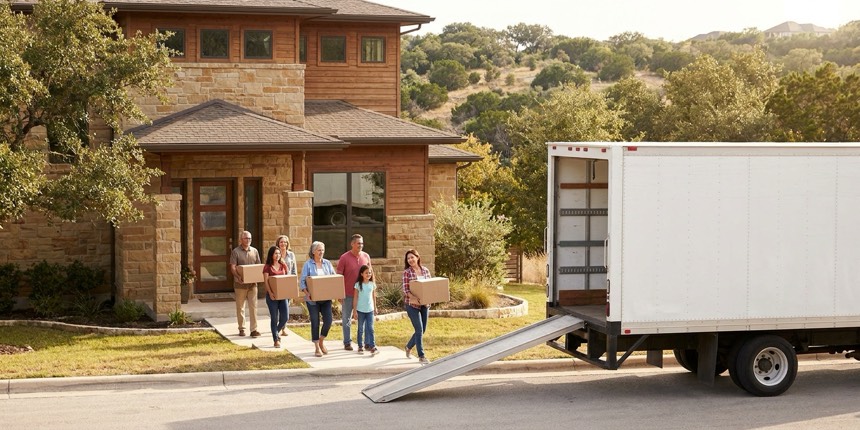
Few city comparisons produce a gap as wide as New York City versus Austin. By one widely cited 2026 estimate, it takes roughly $11,500 a month in New York to sustain the same standard of living that $6,900 buys in Austin — a difference so large it reshapes not just a budget but a life. […]
Read MoreChicago vs. Charlotte (2026): The Queen City at a Fraction of the Cost
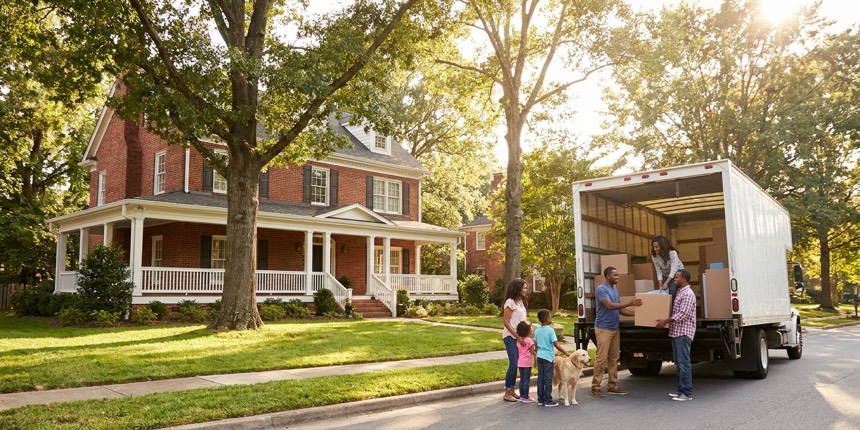
For a Chicago household weighing a move south, Charlotte presents an unusually clean comparison: a real city, with a genuine corporate economy and four mild seasons, at a fraction of Chicago’s cost — and, most strikingly, a fraction of its property-tax burden. A Chicago homeowner paying the metro’s effective property-tax rate near 1.98% on a […]
Read More

Table of Contents

Atlas Van Lines, Inc. U.S. DOT No. 125550 (TM & © 2026 AWGI LLC.) | G.P.S.C. 4917 | IL C.C. 4246 | NJPC 00104 | Cal-T 110193
© 2026 Nelson Westerberg, Inc. All Rights Reserved Worldwide.