Moving Guide to St. Petersburg (2026): A Comprehensive Guide for New Residents

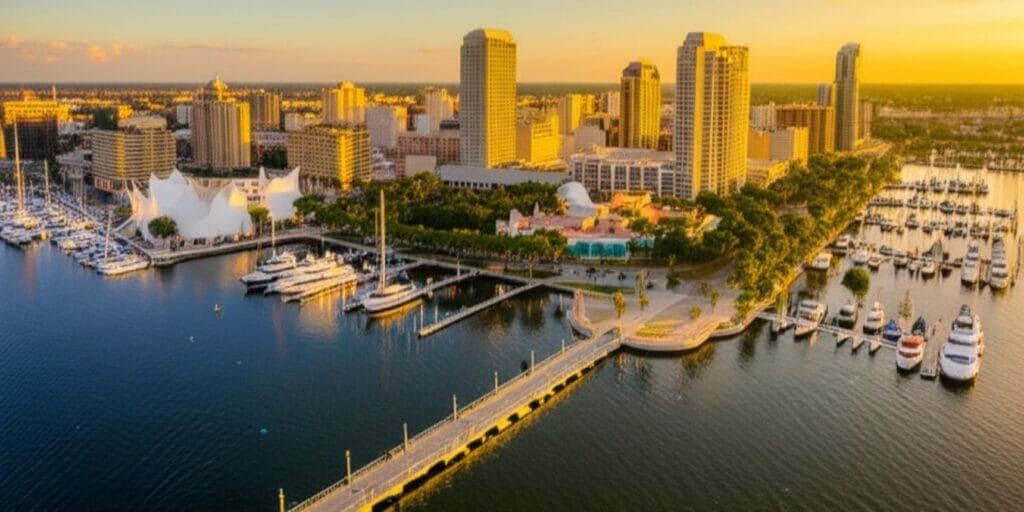
St. Petersburg holds a distinction no other American city can claim: a Guinness World Record for 361 consecutive days of sunshine. While that streak ended decades ago, the spirit remains—the city averages 248 sunny days annually, earning its nickname “The Sunshine City.” But beyond the weather, St. Petersburg has undergone a remarkable transformation over the past decade, evolving from Tampa’s quieter neighbor into one of Florida’s most vibrant cultural destinations, home to the world’s most comprehensive collection of Salvador Dalí’s work, more than 180 large-scale murals adorning downtown streets, and a waterfront lifestyle that draws everyone from young professionals to retirees seeking something more than typical Florida retirement communities offer.
Here’s what you need to know at a glance:
Quick Answers
- Average move cost: $1,000-$5,500 (from Northeast)
- Median home price: $399,000-$445,000
- Median rent (1BR): $1,741/month
- Cost of living: 4% below national average
- Best for: Arts lovers, young professionals, retirees, waterfront enthusiasts, remote workers
What makes St. Petersburg particularly compelling in 2026 is the intersection of cultural vibrancy and relative affordability. While Miami commands $580,000+ median home prices and West Palm Beach rides the “Wall Street South” premium, St. Petersburg offers a genuine urban waterfront experience at roughly $150,000-$200,000 less. The housing market has cooled from pandemic-era peaks—homes now take 63-67 days to sell, giving buyers negotiating leverage that didn’t exist two years ago. Add Pinellas County Schools’ “A” rating from the Florida Department of Education and a job market anchored by Raymond James, Jabil, and expanding healthcare systems, and St. Petersburg emerges as one of Florida’s most compelling relocation destinations for 2026.
Why St. Petersburg Is Having Its Moment
The transformation of St. Petersburg from sleepy beach town to cultural powerhouse didn’t happen overnight, but visitors who haven’t been in a decade wouldn’t recognize downtown. The Dalí Museum—housing over 2,400 works by Salvador Dalí, the largest collection outside Spain—anchors a waterfront arts district that now includes the Museum of Fine Arts, The James Museum of Western & Wildlife Art, and the Imagine Museum dedicated to contemporary glass art. These institutions draw more than a million visitors annually, establishing St. Petersburg as a legitimate arts destination.
But the public art extends far beyond museums. The SHINE Mural Festival, launched in 2015 by the St. Petersburg Arts Alliance, has transformed downtown into an open-air gallery with more than 180 large-scale murals covering building facades throughout the urban core. The 2025 exhibition Outside In: New Murals Inspired by Dalí at the museum itself celebrates a decade of this transformation. Walk or bike through downtown and the Grand Central District, and you’ll encounter world-class street art around virtually every corner.
This cultural renaissance has attracted precisely the demographic cities compete for: young professionals, creative entrepreneurs, and remote workers seeking quality of life beyond their screens. The median age of 42.8 years reflects a healthy mix—not the retirement-heavy population of many Florida cities, but not the transient twentysomething scene of college towns either. Foot Locker moved its global headquarters to the Tampa Bay area in 2024; tech companies and startups continue establishing presence in what locals call the “Innovation District.”
For families relocating from the Northeast, St. Petersburg offers something Tampa can’t quite match: walkability. Downtown St. Petersburg is genuinely pedestrian-friendly, with waterfront parks, restaurants, shops, and cultural venues accessible on foot. The SunRunner rapid bus connects downtown to St. Pete Beach in 35 minutes, running every 15 minutes during peak hours. While you’ll still want a car for regional exploration, daily life in central St. Petersburg requires far less driving than most Florida cities demand.
The Neighborhoods That Define St. Petersburg
Understanding St. Petersburg means understanding its geography: a peninsula jutting into Tampa Bay, with water on three sides and the Gulf of Mexico beaches just across the Intracoastal. This geography creates distinct neighborhood characters, from historic waterfront enclaves to artsy urban districts to quiet suburban communities.
Downtown St. Petersburg
The urban core has transformed dramatically, with new residential towers, renovated historic buildings, and a street life that rivals any Florida city. Condos and apartments cluster around Beach Drive, the waterfront promenade lined with restaurants, galleries, and parks. Expect to pay $2,000-$3,500 monthly for a one-bedroom with downtown amenities, or $400,000-$800,000+ to purchase a condo with water views.
The dining scene has matured beyond recognition. Locale Market houses multiple food vendors under one roof; Stillwater Tavern offers waterfront dining; craft breweries like Green Bench and Cycle Brewing anchor the Grand Central District. Thursday evenings bring live music to various venues, and the Saturday Morning Market draws thousands to the waterfront for local produce, prepared foods, and artisan goods.
Old Northeast
Perhaps St. Petersburg’s most coveted address, Old Northeast combines historic charm with modern convenience. Tree-lined streets, brick roads, and homes ranging from 1920s bungalows to Mediterranean Revival estates create a walkable neighborhood just north of downtown. The area’s proximity to Vinoy Park, Coffee Pot Bayou, and the waterfront trail system makes it ideal for active residents.
Median home prices in Old Northeast typically run $550,000-$900,000, with historic estates exceeding $2 million. Flood zone considerations matter here—buyers in 2026 are increasingly scrutinizing elevation certificates and insurance costs. The neighborhood’s character and location command premium pricing, but the walkability and community feel justify the investment for many families.
Historic Kenwood
For creative types and young families seeking character without Old Northeast prices, Historic Kenwood offers 1920s Craftsman bungalows, an active arts community, and strong neighborhood engagement. The area hosts regular community events, features predominantly Flood Zone X properties (lower insurance costs), and provides central access to both downtown and I-275.
Homes in Historic Kenwood typically range from $350,000-$550,000, making it one of St. Petersburg’s better values for historic architecture. Many properties qualify for historic tax incentives and renovation grants, appealing to buyers willing to invest sweat equity in restoration projects.
Crescent Lake
Crescent Lake neighborhood surrounds its namesake lake, offering scenic walking trails, picnic areas, and a peaceful atmosphere just minutes from downtown. The area attracts families seeking green space without suburban sprawl, with homes ranging from modest bungalows to larger family residences.
Expect median prices around $400,000-$600,000 depending on lot size and proximity to the lake. The neighborhood’s parks and recreational facilities make it particularly appealing for families with children.
Snell Isle
For waterfront luxury, Snell Isle delivers exclusive estates with private docks, stunning bay views, and a secluded atmosphere despite being minutes from downtown. This is St. Petersburg’s most prestigious address, with homes typically exceeding $1.5 million and waterfront properties commanding $3 million or more.
The neighborhood appeals to buyers seeking privacy, water access, and architectural distinction. Snell Isle Golf Course provides additional amenities for residents, though the area’s exclusivity means limited inventory and patient buyers waiting for the right property.
Gulfport
Just south of St. Petersburg proper, Gulfport offers a quirky, bohemian alternative with lower prices and strong community character. This small waterfront town features a walkable downtown, regular art walks, eclectic shops, and a welcoming LGBTQ+ community. Homes range from $300,000-$500,000, making it one of the area’s more affordable waterfront options.
Gulfport appeals to those prioritizing community character over polish, with a creative, accepting atmosphere that distinguishes it from more conventional neighborhoods.
The Financial Picture: What St. Petersburg Really Costs
St. Petersburg’s cost of living runs approximately 4% below the national average—a meaningful advantage, though housing costs tell a more nuanced story. The median home price of $399,000-$445,000 positions St. Petersburg significantly below Miami, Fort Lauderdale, and West Palm Beach, while remaining comparable to Tampa proper.
The housing market in early 2026 favors buyers more than any time since the pandemic. Homes are taking 63-67 days to sell on average, up from 42 days the previous year. Properties are selling for approximately 4% below list price, giving patient buyers negotiating room. The median price per square foot of $355 represents a 9.9% year-over-year increase, but the pace of appreciation has slowed considerably from the double-digit gains of 2021-2022.
Rental Market:
- Studio: $1,574/month average
- 1-Bedroom: $1,741/month average
- 2-Bedroom: $2,158/month average
- 3-Bedroom: $2,806/month average
Rents have declined 1.8% year-over-year, offering relief for renters who watched costs spiral during the pandemic. To afford average rent under the 30% rule, you’ll need approximately $69,636 annual income.
Monthly Budget Breakdown (Single Professional):
- Housing: $1,800-$2,200
- Utilities (including A/C): $230-$340
- Groceries: $400-$480 (6% above national average)
- Transportation: $300-$450
- Healthcare: $280-$350
Income Requirements:
Financial analyses suggest a single person needs approximately $58,400 annually to live comfortably in St. Petersburg, while families should target $66,600+ household income. These figures assume moderate housing choices—luxury waterfront living or private school tuition require higher incomes.
The sting comes from insurance, as it does throughout Florida. Homeowners insurance costs have escalated significantly, particularly for properties in flood zones. Buyers should budget $3,000-$8,000+ annually depending on property location, construction, and coverage levels. Flood insurance adds another layer of expense for properties in elevated-risk zones—a consideration that varies dramatically by neighborhood and even by block.
For transplants from high-tax states, remember Florida’s zero state income tax transforms your gross-to-net calculation significantly. A household earning $150,000 in New York pays roughly $10,000-$12,000 in state income tax; in Florida, that becomes zero.
Career and Economic Opportunity
St. Petersburg’s job market benefits from its position within the broader Tampa-St. Petersburg-Clearwater metropolitan area—one of Florida’s largest and fastest-growing employment centers. While Tampa houses more corporate headquarters, St. Petersburg has carved out niches in financial services, healthcare, and increasingly, technology and creative industries.
Financial Services
Raymond James Financial, a Fortune 500 company headquartered in St. Petersburg, anchors the financial services sector with thousands of local employees. The company’s presence has attracted supporting services—legal, accounting, compliance, technology—creating a self-reinforcing ecosystem. Senior financial analysts in the Tampa Bay area earn approximately $95,000-$125,000 annually; wealth management roles command higher compensation.
Healthcare
Healthcare represents the region’s largest employment sector, with major employers including BayCare Health System, Johns Hopkins All Children’s Hospital (a nationally ranked pediatric facility), and regional operations for major hospital networks. Nursing, therapy, and medical support roles remain in high demand, with registered nurses earning $65,000-$85,000 annually and specialized roles commanding more.
Technology and Creative
St. Petersburg’s “Innovation District” downtown has attracted tech startups and established companies seeking the city’s quality of life. Jabil, a Fortune 500 manufacturing and technology company, maintains significant Tampa Bay operations. The creative economy—supported by the arts scene, advertising agencies, and digital media companies—provides opportunities for designers, marketers, and content creators.
Remote Work
For remote workers, St. Petersburg offers compelling economics: maintain your current salary (ideally from a higher-cost market) while enjoying Florida’s zero state income tax and more affordable housing. The city’s walkable downtown, coffee shops, and coworking spaces provide the infrastructure remote workers need beyond home offices. Tampa International Airport (30 minutes away) offers connectivity for occasional in-person meetings.
The unemployment rate in the Tampa-St. Petersburg-Clearwater metro area has consistently tracked below the national average, though the 2025-2026 period shows a competitive job market with employers being selective. Job seekers benefit from the region’s diversified economy—no single industry dominates, reducing vulnerability to sector-specific downturns.
What Will Your Move to St. Petersburg Actually Cost?
A full-service move from the New York or New Jersey area to St. Petersburg typically runs between $1,000 and $5,500 for a moderately furnished one- to three-bedroom home. The approximately 1,150-mile distance places this move in standard long-haul territory, with costs varying based on move size and service level.
Moving Cost by Home Size and Method
Professional Full-Service Moving:
- Studio/1BR: $1,021-$4,422
- 2-3BR: $2,323-$5,531
- 4BR+: $4,191-$7,800
Moving Container (PODS, etc.):
- Studio/1BR: $849-$2,120
- 2-3BR: $1,649-$3,176
- 4BR+: $2,232-$4,412
DIY Rental Truck:
- Studio/1BR: $753-$1,461
- 2-3BR: $846-$1,670
- 4BR+: $1,052-$2,138
The move typically takes two to eight days depending on service type and scheduling. Peak moving season (May through September) commands premium pricing—expect 20-30% higher rates compared to fall and winter moves.
Factors Affecting Your Cost
Shipment weight drives most professional moving costs. The average two-bedroom apartment weighs 5,000-7,000 pounds; decluttering before your move saves both money and the hassle of moving items you don’t need. Florida’s lifestyle shift—less winter gear, potentially smaller living space—makes this an ideal time to purge.
Access and logistics matter more than distance in some cases. Downtown St. Petersburg apartments may require elevator reservations, parking permits, and narrow window scheduling that add complexity and cost.
Timing flexibility offers the greatest savings opportunity. Mid-month, mid-week moves during fall or winter can save 20-30% compared to summer weekend moves. If your schedule allows, book October through March for optimal pricing.
For a detailed breakdown of interstate moving considerations, our comprehensive guide covers planning an interstate move.
Climate and Weather: What to Actually Expect
St. Petersburg’s subtropical climate delivers on Florida’s promise—248 sunny days annually compared to the U.S. average of 205. The city’s Guinness World Record for consecutive sunny days (361) may be history, but the sunshine remains remarkably consistent. Winters bring nearly ideal conditions: January temperatures averaging 55-72°F with low humidity and abundant sunshine.
Seasonal Weather Breakdown:
- Winter (Dec-Feb): Highs 68-72°F, lows 52-56°F. Dry, pleasant, lowest humidity. Peak tourist season.
- Spring (Mar-May): Highs 75-85°F, lows 60-70°F. Humidity rises gradually, occasional rain.
- Summer (Jun-Aug): Highs 88-90°F, lows 75-78°F. Hot, humid, daily afternoon thunderstorms.
- Fall (Sep-Nov): Highs 78-88°F, lows 65-75°F. Hurricane season, gradual cooling.
Summer demands adjustment for Northeast transplants. Daily highs around 90°F combine with humidity that makes it feel considerably warmer. Afternoon thunderstorms are virtually guaranteed from June through September—brief but intense, typically clearing within an hour. The upside: those storms break the heat, and evenings cool to the mid-70s.
Annual rainfall averages 51 inches, well above the national average of 38 inches but concentrated heavily in summer months. June through September account for the majority of annual precipitation; winter months see minimal rain.
Regarding hurricanes: the Atlantic season runs June through November, with peak activity in August and September. St. Petersburg’s position on Florida’s Gulf Coast provides some protection compared to Atlantic-facing cities, but the region remains vulnerable. Hurricane preparation is a fact of life—hence Florida’s elevated insurance costs—but most years pass without direct impact. The trade-off for year-round warmth is seasonal vigilance and appropriate insurance coverage.
Climate projections indicate increasing heat: St. Petersburg historically averaged about 7 days above 93.4°F annually, but models project approximately 80 such days per year by 2050. Coastal flooding risks are also rising, making elevation and flood zone considerations increasingly important for buyers.
Schools and Education
Pinellas County Schools earned an “A” grade from the Florida Department of Education for the 2024-2025 school year—one of only two Tampa Bay area districts to achieve this distinction. Nearly 90% of schools in the district earned an A or B rating, with particular strength in core academics.
District Performance
Pinellas County students consistently outperform state averages across key assessments:
- English Language Arts: 61% proficiency (grades 3-10), above state average
- Mathematics: 61% proficiency (grades 3-12), above state average; ranked first among large districts statewide (tied with Miami-Dade)
- Science: 67% fifth-grade proficiency; 70% high school biology pass rate
The district attributes improvement to investments in early literacy programs, enhanced teacher planning with instructional coaches, and focus on extracurricular activities and student experiences.
Top-Performing Schools
Families relocating to St. Petersburg should research specific school zones, as quality varies by neighborhood. Highly-rated elementary schools include Perkins Elementary, Shore Acres Elementary, and Sawgrass Lake Elementary. For middle and high school, magnet programs at St. Petersburg High School and specialized academies throughout the district provide advanced options.
Private School Options
St. Petersburg offers several private school alternatives, including Shorecrest Preparatory School (independent, pre-K through 12), Canterbury School of Florida (Episcopal), and Admiral Farragut Academy (college preparatory with naval heritage). Private school tuition typically ranges from $12,000-$30,000 annually depending on grade level and institution.
Higher Education
University of South Florida St. Petersburg provides local higher education options as part of the USF system. Eckerd College, a private liberal arts college on Boca Ciega Bay, offers a distinctive waterfront campus experience. The main USF campus in Tampa is approximately 30 minutes away, expanding options for college-bound students.
Transportation and Getting Around
St. Petersburg functions as a car-centric city with meaningful public transit alternatives—unusual for Florida. Downtown’s walkability distinguishes it from most Florida cities, and the expanding transit network provides options for car-free living that simply don’t exist in many comparable metros.
Public Transit: PSTA
The Pinellas Suncoast Transit Authority (PSTA) operates 44 bus routes with 4,337 stops across Pinellas County. Key routes for residents:
SunRunner rapid bus connects Downtown St. Petersburg to St. Pete Beach in approximately 35 minutes with 30 stops along the route. Service runs every 15 minutes from 6 a.m. to 8 p.m. daily, extending to midnight on Fridays and Saturdays. This route has transformed beach access for downtown residents.
Route 100X provides express service between Downtown St. Petersburg and Downtown Tampa, crossing the Gandy Bridge—useful for workers commuting to Tampa’s job centers.
Grand Central Station in Downtown St. Petersburg serves as the primary transit hub, connecting multiple routes and providing central access to the entire system.
Airports
Tampa International Airport (TPA) sits approximately 30 minutes from downtown St. Petersburg and consistently ranks among the nation’s best airports for passenger experience. The airport offers nonstop service to major Northeast cities (New York, Boston, Philadelphia, Washington D.C.) and numerous domestic destinations.
St. Pete-Clearwater International Airport (PIE) provides a secondary option, primarily serving low-cost carriers like Allegiant and Sun Country. The airport offers value for price-conscious travelers willing to trade convenience for savings.
Driving
Within the Tampa Bay metro, I-275 connects St. Petersburg to Tampa across the Howard Frankland Bridge (approximately 25-30 minutes to downtown Tampa in moderate traffic). The Gandy Bridge and Courtney Campbell Causeway provide alternative crossings. Traffic congestion exists but remains manageable compared to larger Florida metros—a quality-of-life factor that keeps St. Petersburg attractive relative to Tampa’s more intense traffic.
Downtown parking can be challenging during peak periods; most apartment buildings and office towers offer garage parking, but visitors and residents should budget for paid parking in commercial areas.
Living the St. Petersburg Lifestyle
What does daily life actually look like in St. Petersburg? For transplants from dense urban environments, the city offers a rare combination: genuine walkability and cultural amenities without the intensity or expense of major metros.
The Arts Scene
St. Petersburg’s cultural transformation centers on the Dalí Museum, housing over 2,400 works by Salvador Dalí—the most comprehensive collection outside Spain. The museum’s distinctive architecture, featuring the “Enigma” glass geodesic dome, has become iconic. Beyond the permanent collection, rotating exhibitions and events (including “Dalí Alive 360°” immersive experiences) keep the museum fresh for residents.
The SHINE Mural Festival has produced more than 180 large-scale murals throughout downtown and surrounding districts since 2015. This outdoor gallery transforms mundane building facades into world-class street art, with new works added annually. Walking or biking through downtown becomes an art experience.
Additional museums include the Museum of Fine Arts (encyclopedic collection from antiquity to contemporary), The James Museum of Western & Wildlife Art, and the Imagine Museum (contemporary glass art). Arts Alive events provide free admission days for Pinellas County residents at participating institutions.
Waterfront Living
Tampa Bay’s waterfront defines St. Petersburg’s geography and lifestyle. The St. Pete Pier, reopened after a major renovation, extends into the bay with restaurants, attractions, and stunning views. Vinoy Park and North Shore Park provide green space along the waterfront, while the Pinellas Trail offers 50+ miles of paved path for biking and walking.
Beach access is remarkably convenient. The SunRunner connects downtown to St. Pete Beach in 35 minutes, or drive to Pass-a-Grille, Treasure Island, or Clearwater Beach in 20-40 minutes depending on traffic and destination.
Dining and Entertainment
The restaurant scene has matured dramatically. Beach Drive along the waterfront features upscale options including Locale Market (food hall), The Canopy (rooftop bar), and various seafood spots. The Grand Central District offers more casual, creative options alongside craft breweries like Green Bench Brewing and Cycle Brewing.
The Saturday Morning Market (October through May) draws thousands to the waterfront for local produce, prepared foods, and artisan goods—a weekly community gathering that embodies St. Petersburg’s character.
For evening entertainment, venues range from the Mahaffey Theater (touring Broadway, symphony, comedy) to intimate bars and clubs scattered throughout downtown. The Central Arts District along Central Avenue features galleries, vintage shops, and eclectic dining.
Outdoor Recreation
Beyond the beaches, outdoor options include kayaking and paddleboarding on Tampa Bay, fishing (both pier and offshore), and cycling the extensive trail network. Boyd Hill Nature Preserve offers 245 acres of Florida ecosystems within city limits—a remarkable urban oasis. Golf courses dot the region, and the year-round warm weather supports outdoor activity in every season (with summer adjustments for heat and afternoon storms).
Practical Relocation Timeline
Moving 1,150+ miles requires methodical planning. Here’s a realistic timeline for St. Petersburg:
8-10 Weeks Before Your Move
Research neighborhoods thoroughly. St. Petersburg’s distinct communities vary dramatically in character and price point. Schedule virtual tours and, if possible, a scouting trip. Pay particular attention to flood zones—what looks like a minor detail on paper translates to significant insurance cost differences.
Connect with a local real estate agent. The market’s buyer-friendly conditions (63-67 days on market) provide negotiating opportunity, but understanding neighborhood-specific dynamics requires local expertise.
Obtain moving quotes from multiple carriers. The I-95 corridor to Florida is well-traveled, with competitive options. Request in-home or video estimates for accurate pricing.
4-6 Weeks Before Your Move
Book your moving company with a deposit to lock in your date. Summer moves require earlier booking; fall and winter offer more flexibility and better pricing.
Research Florida requirements for driver’s license (must obtain within 30 days of establishing residency), vehicle registration (within 10 days), and voter registration.
Arrange homeowners or renters insurance. Shop multiple carriers—Florida’s insurance market is challenging, and rates vary significantly. Flood insurance may be required depending on property location.
2-3 Weeks Before Your Move
Transfer records: Forward medical records to new providers, transfer school records if applicable, obtain copies of legal documents.
Notify important contacts: Banks, investment accounts, insurance companies, subscriptions, employers. Set up mail forwarding through USPS.
Research hurricane preparedness. If moving during hurricane season (June-November), have a basic plan in place. Local hardware stores stock supplies; your new neighbors can advise on shelter locations and procedures.
Moving Week
Confirm all details with your moving company, including arrival time, payment method, and contact information.
Prepare for Florida’s climate: Have your new home’s air conditioning running before belongings arrive. Florida’s humidity is unforgiving to furniture and electronics during extended heat exposure.
Document your new home’s condition before unpacking, particularly if renting. Note any existing damage and photograph everything.
Frequently Asked Questions
How much does it cost to move from New York to St. Petersburg?
A full-service move from the New York area to St. Petersburg typically costs between $1,000 and $5,500 for a one- to three-bedroom home. The approximately 1,150-mile distance places this in standard long-haul territory. Costs vary based on shipment weight, service level (full-service vs. DIY), and timing—summer moves run 20-30% higher than fall or winter relocations. Getting multiple quotes from licensed interstate movers ensures competitive pricing.
Is St. Petersburg a good place to raise a family?
St. Petersburg offers strong family appeal, with Pinellas County Schools earning an “A” grade from the Florida Department of Education and 90% of schools rated A or B. Neighborhoods like Crescent Lake and Historic Kenwood attract families seeking character and community. The waterfront parks, beaches, and outdoor recreation provide year-round activities. Families should research specific school zones, as quality varies by neighborhood, and consider flood zone implications for insurance costs.
What salary do you need to live comfortably in St. Petersburg?
Financial analyses suggest a single person needs approximately $58,400 annually to live comfortably in St. Petersburg, while families should target $66,600+ household income. These figures assume moderate housing costs. Luxury waterfront living or private school tuition require higher incomes. For transplants from high-tax states, Florida’s zero state income tax effectively increases take-home pay—a household earning $150,000 saves $10,000-$12,000 annually compared to New York.
How does St. Petersburg compare to Tampa?
St. Petersburg offers a more walkable, artsy atmosphere with waterfront access and cultural amenities, while Tampa provides a larger job market and more diverse economy. Housing costs are similar (St. Petersburg 1-3% higher), but St. Petersburg’s downtown walkability and beach proximity distinguish it from Tampa’s more suburban character. Tampa suits career-focused families seeking job market diversity; St. Petersburg appeals to lifestyle seekers valuing culture, walkability, and waterfront living.
What is the job market like in St. Petersburg?
The Tampa-St. Petersburg-Clearwater metro area represents one of Florida’s largest employment centers. Major St. Petersburg employers include Raymond James Financial (Fortune 500), Jabil (technology manufacturing), BayCare Health System, and Johns Hopkins All Children’s Hospital. The technology and creative sectors are growing, supported by the “Innovation District” downtown. Remote workers benefit from the city’s infrastructure while capturing Florida’s tax advantages.
What are the best neighborhoods in St. Petersburg?
Old Northeast offers historic charm and walkability at premium prices ($550,000-$900,000+). Historic Kenwood provides 1920s character at more accessible prices ($350,000-$550,000). Downtown appeals to urban dwellers seeking walkability and nightlife. Crescent Lake attracts families with green space and a peaceful atmosphere. Snell Isle delivers waterfront luxury for high-budget buyers ($1.5 million+). Gulfport offers a bohemian alternative with strong community character at lower prices.
What is the weather like in St. Petersburg?
St. Petersburg averages 248 sunny days annually—among the highest in the nation. Winters are ideal: 68-72°F highs with low humidity and abundant sunshine. Summers are hot and humid, with daily highs around 90°F and afternoon thunderstorms virtually guaranteed. Annual rainfall averages 51 inches, concentrated in summer months. Hurricane season runs June through November, requiring appropriate insurance coverage and seasonal preparedness.
Your St. Petersburg Chapter Begins
St. Petersburg in 2026 offers something increasingly rare: a genuine urban waterfront experience at prices that haven’t caught up to Miami, Palm Beach, or even Tampa’s hottest neighborhoods. The cultural transformation—from the Dalí Museum to 180+ murals painting the streets—has attracted creative professionals and lifestyle seekers who’ve discovered what locals have known for years: you can have sunshine, culture, walkability, and waterfront living without the premium pricing of Florida’s better-known destinations.
The housing market’s cooling creates opportunity for patient buyers willing to negotiate. The “A”-rated school district provides confidence for families. The diversified job market, anchored by Fortune 500 employers and expanding healthcare systems, supports long-term stability. And the 248 sunny days annually deliver on Florida’s fundamental promise.
Whether you’re a remote worker seeking a base with better weather and lower taxes, a creative professional drawn to the arts scene, a family prioritizing schools and outdoor recreation, or a retiree wanting culture alongside your sunshine, St. Petersburg merits serious consideration. The city has transformed from Tampa’s quieter neighbor into a destination in its own right—and the window for catching that transformation at reasonable prices may not remain open indefinitely.
Your move to St. Petersburg represents more than a change of address. It’s an opportunity to join a community in the midst of a genuine renaissance, where cultural vibrancy meets waterfront living at a price point that still makes sense.
Related Articles
New York City vs. Austin (2026): What Your Paycheck Really Buys
Few city comparisons produce a gap as wide as New York City versus Austin. By one widely cited 2026 estimate, it takes roughly $11,500 a month in New York to sustain the same standard of living that $6,900 buys in Austin — a difference so large it reshapes not just a budget but a life. […]
Read MoreChicago vs. Charlotte (2026): The Queen City at a Fraction of the Cost
For a Chicago household weighing a move south, Charlotte presents an unusually clean comparison: a real city, with a genuine corporate economy and four mild seasons, at a fraction of Chicago’s cost — and, most strikingly, a fraction of its property-tax burden. A Chicago homeowner paying the metro’s effective property-tax rate near 1.98% on a […]
Read More

Table of Contents

Atlas Van Lines, Inc. U.S. DOT No. 125550 (TM & © 2026 AWGI LLC.) | G.P.S.C. 4917 | IL C.C. 4246 | NJPC 00104 | Cal-T 110193
© 2026 Nelson Westerberg, Inc. All Rights Reserved Worldwide.