Your Complete Guide to Moving to Naples, Florida: America’s Most Desirable City (2026)

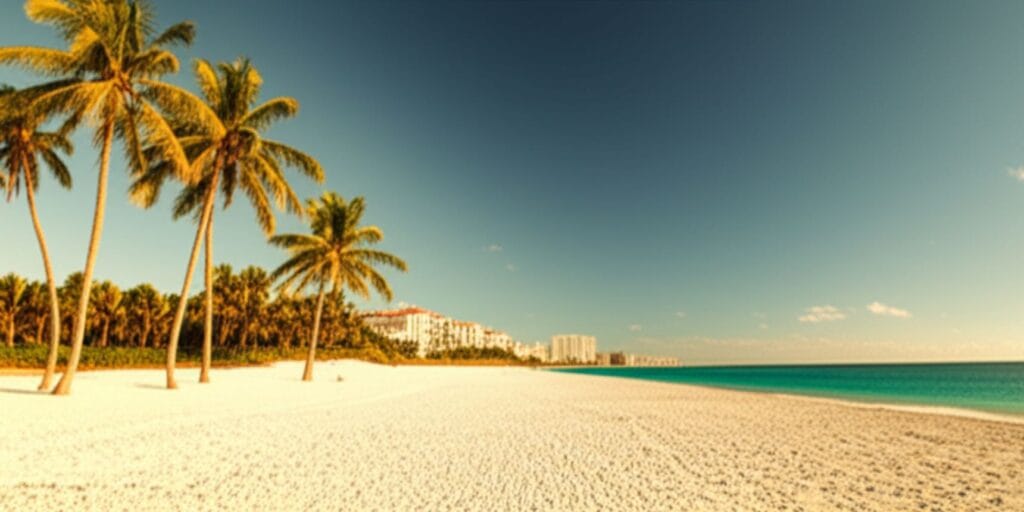
U.S. News & World Report crowned Naples the #1 best place to retire in America for 2024-2025, but this Gulf Coast jewel attracts far more than retirees. Over 10,000 new residents arrive annually, drawn by pristine white-sand beaches, world-class healthcare ranked among Florida’s best, and a lifestyle that seamlessly blends relaxation with refinement. With 300+ sunny days annually and no state income tax on retirement income, Social Security, or pensions, Naples has transformed into one of the most desirable addresses in America—and one of the most exclusive, with median home prices ranging from $600,000 to $700,000.
Quick Answers: Moving to Naples, Florida
- Average move cost: $3,500-$8,000 (from Northeast)
- Median home price: $600,000-$700,000
- Cost of living: 10-15% above national average
- Best for: Retirees, affluent professionals, families seeking top schools
- Climate: Subtropical with 300+ sunny days annually
- Top neighborhoods: Old Naples, Pelican Bay, Park Shore, Grey Oaks
- Schools: Collier County rated “A” by Florida DOE, ranked 6th statewide
Whether you’re planning retirement in a waterfront estate, relocating for career opportunities in Southwest Florida’s growing healthcare sector, or seeking top-rated schools for your family, Naples delivers on every front. Unlike Miami‘s urban energy or Tampa‘s major-league sports scene, Naples has cultivated something different—a sophisticated small-city atmosphere where natural beauty takes center stage and the median household income sits at approximately $151,000 annually.
This comprehensive guide covers everything you need to know about making Naples your home, from neighborhood profiles and housing costs to job opportunities and the outdoor lifestyle that makes this corner of Florida genuinely exceptional.
Why Naples Stands Out Among Florida’s Best Cities
Naples occupies a unique position in Florida’s landscape of desirable destinations. The numbers reveal the city’s distinct appeal: over half of residents are aged 65 and older, and some 63% hold bachelor’s degrees or higher, creating a community with substantial cultural and intellectual depth. These aren’t retirees simply seeking sunshine—they’re accomplished professionals who’ve chosen Naples as their reward destination.
Geography plays a crucial role in Naples’ character. Situated on Florida’s Paradise Coast, the city serves as a gateway to the Everglades and the Ten Thousand Islands, one of the largest undeveloped mangrove estuaries in North America. This proximity to pristine wilderness, combined with manicured downtown streets lined with royal palms and upscale boutiques, creates an unusual juxtaposition of wild and refined that you won’t find in Fort Lauderdale or West Palm Beach.
The healthcare infrastructure particularly distinguishes Naples from comparable Florida markets. NCH Baker Hospital and Physicians Regional-Pine Ridge Hospital rank among U.S. News & World Report’s Best Hospitals in Florida, providing peace of mind for residents at any life stage. This medical excellence, paired with low crime rates and 300-plus annual sunny days, explains why Naples consistently tops retirement and livability rankings.
Cost of Living: What to Expect Financially
Understanding Naples’ cost structure is essential for realistic relocation planning. The city runs 10-15% above national averages, with some analyses suggesting costs reach 30% higher depending on lifestyle choices and neighborhood selection.
Housing represents the primary expense driver. The median home price ranges from $600,000 to $700,000, though this figure masks significant variation. Luxury properties in Port Royal, Old Naples, and Park Shore command $3 million to $30 million or more, while condos in less prime locations can be found under $400,000. First-time buyers and those seeking more modest accommodations should focus on communities like Golden Gate Estates, Naples Park, and Lely Resort for relative affordability without sacrificing quality.
Rental markets have shown recent softening. As of January 2026, average rents sit at $1,891 monthly, representing a 4.2% decrease from the previous year:
- Studio apartments: $1,740/month
- 1-bedroom: $1,891/month
- 2-bedroom: $2,227/month
- 3-bedroom: $2,673+/month
Beyond housing, monthly expenses include property taxes at roughly 1% of assessed home value annually, homeowners insurance between $3,500 and $6,000 yearly, and utilities averaging $200-350 monthly for electricity, water, and sewer combined. Groceries for a family of four typically run $800 to $1,200 monthly, while car insurance falls between $1,500 and $2,500 annually.
The financial planning rule of thumb suggests comfortable living in Naples requires annual income of at least $75,636 for singles renting one-bedroom apartments (following the 30% income guideline) and $138,000 for families of four meeting basic living standards. Retirees should budget $5,000 to $9,000 monthly for a comfortable lifestyle, including HOA fees that commonly range from $400 to $1,200 monthly in managed communities.
Florida’s tax advantages partially offset these costs. The absence of state income tax applies to all income sources including retirement distributions, Social Security benefits, pensions, and investment gains. For high earners and retirees with substantial savings, this tax structure can represent savings of tens of thousands of dollars annually compared to states like California or New York.
Naples Neighborhoods: Finding Your Perfect Fit
Naples’ neighborhoods span from historic downtown districts to sprawling golf communities, each offering distinct character and price points. Understanding these differences helps narrow your search efficiently.
Old Naples
The historic heart of the city, Old Naples delivers walkability rare in Southwest Florida. Tree-lined streets connect to Fifth Avenue South and Third Street South, the twin commercial corridors featuring upscale dining, galleries, and boutiques. Housing stock includes renovated cottages, Mediterranean-style homes, and luxury new construction, with prices typically starting around $1 million and reaching into eight figures for beachfront properties. Residents walk to Naples Pier for sunset, dine al fresco year-round, and enjoy a village atmosphere within a larger metropolitan area.
Pelican Bay
This master-planned community of approximately 8,600 residents offers private beach access via tram service, three miles of pristine shoreline, and resort-style amenities including the Pelican Bay Community Center. Housing options range from high-rise condominiums with Gulf views to single-family homes and villas. The community’s foundation supports extensive programming from tennis to cultural events. Prices vary widely based on property type and view, with condos starting in the $400,000s and homes reaching several million.
Park Shore
Positioned between Venetian Bay and the Gulf of Mexico, Park Shore combines water access with proximity to Waterside Shops and the Village on Venetian Bay retail centers. High-rise condominiums offer some of Naples’ most spectacular Gulf views, while single-family homes line the bay with private docks. The neighborhood attracts both full-time residents and seasonal visitors who appreciate its central location and upscale amenities.
Grey Oaks
For golf enthusiasts seeking privacy and prestige, Grey Oaks delivers three championship courses designed by legends Clyde Johnston, Bob Cupp, and Tiburon. The community encompasses 1,600 acres of preserves and waterways, with single-family estates, villas, and condominiums available. Membership in the Grey Oaks Country Club provides access to tennis, fitness facilities, and multiple dining venues. Home prices typically start above $1 million, reaching well into eight figures for estate properties.
Golden Gate Estates
Those seeking space and relative affordability find it in Golden Gate Estates, an expansive semi-rural area east of downtown. Properties range from modest homes on large lots to custom estates on multi-acre parcels. The community appeals to those prioritizing land ownership over golf amenities, with prices significantly below Naples’ coastal neighborhoods. Wildlife sightings—including deer, wild turkeys, and the occasional Florida panther—come standard.
Lely Resort
This award-winning community spans 3,000 acres and includes three golf courses, multiple clubhouses, restaurants, and extensive recreational facilities. Housing ranges from condominiums and coach homes to single-family residences and custom estates. The resort-style atmosphere, combined with relatively accessible pricing by Naples standards, attracts both retirees and families seeking amenity-rich living without the highest price tags.
What Will Your Move to Naples Actually Cost?
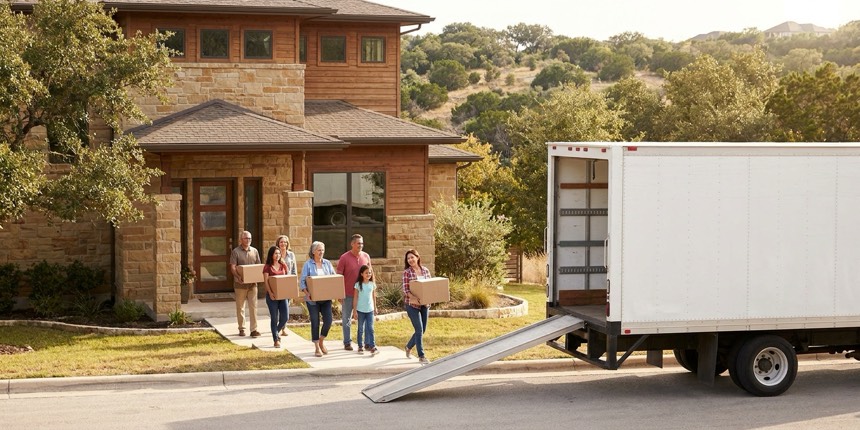
A full-service move from the Northeast to Naples typically runs between $3,500 and $8,000 for a moderately furnished two- to four-bedroom home. The approximately 1,200-mile distance from the New York metro area places this move in standard long-haul territory, with costs varying based on move size and service level.
Moving Cost by Home Size and Method
Professional Full-Service Moving:
- Studio/1BR: $1,500-$3,500
- 2-3BR: $3,500-$6,500
- 4BR+: $5,500-$9,500
Moving Container (PODS, etc.):
- Studio/1BR: $1,200-$2,500
- 2-3BR: $2,200-$4,000
- 4BR+: $3,500-$5,500
DIY Rental Truck:
- Studio/1BR: $800-$1,600
- 2-3BR: $1,200-$2,200
- 4BR+: $1,800-$3,200
The move typically takes three to seven days depending on service type and scheduling. Peak moving season (May through September) commands premium pricing—expect 20-30% higher rates compared to fall and winter moves.
Factors Affecting Your Cost
Shipment weight drives most professional moving costs. The average three-bedroom home weighs 8,000-12,000 pounds; decluttering before your move saves both money and the hassle of moving items you don’t need. Naples’ lifestyle shift—less winter gear, potentially different furniture needs—makes this an ideal time to purge.
Access and logistics matter more than distance in some cases. Many Naples communities feature gated entrances, narrow streets, and HOA scheduling requirements that add complexity and cost. Verify move-in procedures with your new community well in advance.
Timing flexibility offers the greatest savings opportunity. Mid-month, mid-week moves during fall or winter can save 20-30% compared to summer weekend moves. Naples’ peak season runs December through April—consider scheduling around this period for better availability of both movers and housing.
For a detailed breakdown of interstate moving considerations, our comprehensive guide covers planning an interstate move.
Employment and Economic Opportunities
While Naples’ reputation centers on retirement, the metropolitan area supports diverse employment across several growing sectors. Understanding the job market matters for working-age relocators and retirees considering part-time engagement.
Healthcare dominates Naples employment, driven by the region’s demographics and medical infrastructure. Over 2,000 healthcare positions are currently available across Indeed and similar platforms, ranging from entry-level scheduling and medical assistant roles to specialized nursing, pharmacy, and therapy positions. Physicians Regional Healthcare System employs over 2,000 people across three hospitals and multiple clinics. NCH (Naples Community Hospital) and Lee Health maintain robust hiring for clinical and administrative positions, with hourly rates typically ranging from $20 to $55 depending on specialization.
The hospitality and service sectors employ thousands across Naples’ luxury hotels, restaurants, golf courses, and retail establishments. While these positions often involve seasonal fluctuation and tourism-dependent scheduling, they provide entry points for those establishing local connections. Management roles in high-end hospitality command competitive compensation given the market’s affluent clientele.
Professional services—including wealth management, legal services, real estate, and consulting—thrive given the concentration of high-net-worth residents. These sectors typically require established credentials and networks, but the density of affluent clients creates opportunities for qualified professionals in estate planning, investment advisory, and related fields.
Remote work has expanded Naples’ appeal for knowledge workers previously tethered to major metropolitan areas. The city’s quality of life, combined with Florida’s tax advantages, attracts tech professionals, consultants, and entrepreneurs who can perform their work from anywhere. Reliable internet infrastructure in established neighborhoods supports this trend.
Education: Schools and Learning Opportunities
Families relocating to Naples benefit from Collier County Public Schools’ strong performance. The district earned an overall “A” rating from the Florida Department of Education for 2024-2025, ranking 6th out of 67 Florida districts and standing as the only “A” district in Southwest Florida.
The breakdown reveals consistent excellence:
- 75% of schools received “A” ratings (44 schools)
- 20% earned “B” grades (12 schools)
- Only 5% received “C” ratings (3 schools)
- No schools received “D” or “F” designations
Notable schools earning “A” ratings include Naples High School, Lely High School, and numerous elementary and middle schools throughout the district.
Beyond public schools, Naples supports extensive private education options. Community School of Naples, Seacrest Country Day School, and St. John Neumann Catholic High School provide alternative tracks for families seeking specific educational philosophies or religious instruction.
Higher education access includes Florida Gulf Coast University in nearby Fort Myers, offering undergraduate and graduate programs across multiple disciplines. Florida SouthWestern State College provides two-year degrees and workforce training. For specialized graduate programs, the University of South Florida maintains a Naples satellite campus focused on professional development and continuing education.
Beaches, Parks, and Outdoor Living
Naples’ outdoor amenities rank among Florida’s finest, combining manicured beach parks with access to wild Everglades ecosystems just miles away.
Premier Beaches
Lowdermilk Park anchors the beach scene with 1,000 feet of white sand, watersport rentals including jet skis and paddleboards, playgrounds for children, volleyball courts, and concession facilities. The park’s infrastructure makes it ideal for families spending full days by the water.
Delnor-Wiggins Pass State Park in North Naples offers a more natural beach experience with excellent swimming, snorkeling, and kayaking. Hiking trails extend beyond the beach, and fishing opportunities attract anglers year-round. The state park designation ensures preservation of the ecosystem while providing visitor facilities.
Vanderbilt Beach and Clam Pass Park provide additional shoreline options, each with distinct character. Clam Pass features a three-quarter-mile boardwalk through mangroves before reaching the beach—the journey itself constitutes an attraction.
Everglades Access
Naples’ position as the western gateway to Everglades National Park opens extraordinary wilderness experiences. Day trips to the park reveal landscapes unlike anywhere else on Earth—sawgrass prairies stretching to the horizon, cypress stands draped in Spanish moss, and wildlife including alligators, manatees, and hundreds of bird species.
The Ten Thousand Islands region accessible from Naples supports kayaking through mangrove tunnels, fishing expeditions, and boat tours where dolphins regularly appear. This proximity to genuinely wild Florida distinguishes Naples from more developed coastal areas like Orlando or Jacksonville.
Parks and Gardens
Naples Botanical Garden spans 170 acres featuring cultivated gardens representing ecosystems from Brazil to Southeast Asia. The garden hosts regular programming, seasonal displays, and serves as a venue for community events.
Baker Park along the Gordon River provides walking and biking trails, kayak launches, and green space for picnics and relaxation. The park connects to the Gordon River Greenway, extending recreational access through preserved natural areas.
Cultural Life and Entertainment
Naples punches well above its weight in cultural offerings, supported by an affluent, educated population that prioritizes arts and intellectual engagement.
Fifth Avenue South and Third Street South form the cultural and commercial heart of downtown, featuring galleries, theater venues, upscale restaurants, and seasonal festivals. Evening strolls along these palm-lined corridors constitute a central Naples experience, with outdoor dining available year-round in the subtropical climate.
The Baker Museum at Artis—Naples houses permanent collections and rotating exhibitions spanning contemporary and modern art. The adjacent Hayes Hall hosts Naples Philharmonic performances throughout the season, from classical masterworks to pops concerts and holiday programming.
Naples Pier extends into the Gulf of Mexico, serving as both fishing platform and community gathering place. Sunset viewing from the pier has achieved ritual status among residents and visitors, with dolphins frequently providing accompaniment.
Golf defines leisure for many Naples residents, with over 90 courses in Collier County alone. From private clubs requiring significant investment to daily-fee courses accessible to all, the options span every skill level and budget.
Healthcare: Medical Services and Wellness
Naples’ healthcare infrastructure provides peace of mind across all life stages, a factor particularly important given the community’s demographic profile.
NCH Healthcare System operates two hospital campuses and numerous outpatient facilities, earning recognition among U.S. News & World Report’s Best Hospitals in Florida. Services span from primary care through specialized treatment in cardiology, orthopedics, oncology, and neurology.
Physicians Regional Healthcare System adds three premier hospitals and multiple multi-specialty clinics to the market, employing over 2,000 people. The system emphasizes physician-led care and has invested heavily in advanced treatment technologies.
Beyond hospital systems, Naples supports extensive specialist practices, imaging centers, rehabilitation facilities, and wellness services. The concentration of retirees ensures demand for medical services remains strong, which in turn attracts talented physicians and supports investment in facilities and equipment.
Climate and Weather Considerations
Naples’ subtropical climate delivers the warmth and sunshine that draw people to Florida, with some nuances worth understanding before relocating.
Seasonal Weather Breakdown:
- Winter (Dec-Feb): Highs 72-77°F, lows 52-58°F. Dry, pleasant, peak season.
- Spring (Mar-May): Highs 78-88°F, lows 60-72°F. Humidity rises gradually.
- Summer (Jun-Aug): Highs 89-92°F, lows 75-78°F. Hot, humid, daily afternoon storms.
- Fall (Sep-Nov): Highs 78-88°F, lows 65-75°F. Hurricane season, gradual cooling.
More than 300 sunny days annually support outdoor lifestyles year-round. Summer brings heat, humidity, and afternoon thunderstorms—a pattern consistent across Florida. Air conditioning becomes non-negotiable, and outdoor activities often shift to morning hours.
Hurricane season officially runs June through November, with September and October representing peak risk periods. While major storms remain statistically infrequent, preparation and insurance considerations are essential—hence Florida’s elevated insurance costs.
The Gulf of Mexico moderates temperatures compared to inland Florida locations, and sea breezes provide relief during warmer months. Water temperatures remain swimmable year-round for most people, though winter months dip into the mid-60s.
Frequently Asked Questions About Moving to Naples
How much money do you need to live comfortably in Naples, Florida?
Comfortable living in Naples typically requires annual income of $75,000-100,000 for singles and $138,000 or more for families. Retirees should budget $5,000-9,000 monthly depending on housing choices and lifestyle expectations. These figures reflect Naples’ positioning as a premium market with costs 10-30% above national averages.
Is Naples, Florida a good place to raise a family?
Naples offers excellent family living with Collier County schools earning an “A” rating from the Florida Department of Education, ranking 6th among 67 Florida districts. Low crime rates, abundant parks and beaches, and family-friendly communities like Lely Resort make it attractive for families who can afford the premium cost of living.
What is the best area to live in Naples, Florida?
The best area depends on priorities and budget. Old Naples offers walkability and downtown access. Pelican Bay provides private beach access and resort amenities. Grey Oaks suits golf enthusiasts. Golden Gate Estates delivers space and value. Lely Resort balances amenities with relative affordability.
Why are so many people moving to Naples, Florida?
Naples attracts over 10,000 new residents annually due to its #1 retirement ranking, no state income tax, excellent healthcare, 300+ sunny days, Gulf Coast beaches, low crime rates, and sophisticated cultural scene. The concentration of affluent, educated residents creates a community many find uniquely appealing.
What are the downsides of living in Naples, Florida?
Challenges include high cost of living (10-30% above national average), summer heat and humidity, hurricane risk during June-November, tourist congestion during winter season, and limited public transportation requiring car ownership. The older demographic may not suit those seeking nightlife or young professional networking.
Is Naples, Florida expensive compared to other Florida cities?
Yes, Naples ranks among Florida’s most expensive markets. While Tampa and Jacksonville offer more affordable options, Naples’ luxury positioning reflects in median home prices of $600,000-700,000 compared to state averages around $400,000. The tradeoff includes superior beaches, lower crime, better schools, and more affluent community character.
What is the job market like in Naples, Florida?
Healthcare dominates employment with over 2,000 current openings. Hospitality, professional services, and real estate also provide opportunities. Remote workers increasingly choose Naples for quality of life combined with Florida’s tax advantages. The economy is stable but concentrated in service sectors rather than manufacturing or tech.
Naples represents Florida living at its most refined—where natural beauty meets cultivated sophistication, and quality of life tops national rankings year after year. The premium cost of entry reflects genuine value: pristine beaches, excellent healthcare, top schools, and a community of accomplished residents who’ve chosen Naples as their destination.
For those whose budgets align with Naples’ market positioning, few American cities offer comparable combinations of climate, culture, and coastal access. The move requires financial planning and lifestyle adjustment, but residents consistently report that Naples delivers on its considerable promise.
Related Articles
New York City vs. Austin (2026): What Your Paycheck Really Buys
Few city comparisons produce a gap as wide as New York City versus Austin. By one widely cited 2026 estimate, it takes roughly $11,500 a month in New York to sustain the same standard of living that $6,900 buys in Austin — a difference so large it reshapes not just a budget but a life. […]
Read MoreChicago vs. Charlotte (2026): The Queen City at a Fraction of the Cost
For a Chicago household weighing a move south, Charlotte presents an unusually clean comparison: a real city, with a genuine corporate economy and four mild seasons, at a fraction of Chicago’s cost — and, most strikingly, a fraction of its property-tax burden. A Chicago homeowner paying the metro’s effective property-tax rate near 1.98% on a […]
Read More

Table of Contents

Atlas Van Lines, Inc. U.S. DOT No. 125550 (TM & © 2026 AWGI LLC.) | G.P.S.C. 4917 | IL C.C. 4246 | NJPC 00104 | Cal-T 110193
© 2026 Nelson Westerberg, Inc. All Rights Reserved Worldwide.